Hub · Cornerstone guide
The Ultimate Puppy Training Guide
Everything you need to raise a well-trained puppy, ordered the way a certified trainer would actually teach it — foundations first, obedience second, real-world reliability last. Every article and tool below has been reviewed by a CPDT-certified trainer.
Best age to start
8 weeks (day one home)
Session length under 16 wks
3–5 minutes
Sessions per day
2–3 short blocks
Reward that works
Pea-sized, soft, high-value
In this hub
At-a-glance timeline
- 8–10 weeksName, hand target, marker word, calm-in-crate
- 10–14 weeksSit, down, recall foundations, socialization overlap
- 3–5 monthsLoose-leash walking, place/settle, impulse control
- 5–8 monthsDistance, distraction, duration — real-world reliability
- 8–14 monthsAdolescence: proof recall, revisit foundations, patience
Positive reinforcement vs. aversive tools — what the research shows
| Approach | Learning speed | Fallout risk | Recommended by AVSAB / AAHA |
|---|---|---|---|
| Positive reinforcement (marker + food) | Fast, durable | Low | Yes |
| Balanced / mixed method | Variable | Moderate | No (position statements against) |
| Prong / e-collar / alpha correction | Fast suppression, weak learning | High (fear, aggression) | No |
Position statements from the AVSAB (American Veterinary Society of Animal Behavior) and AAHA both recommend reward-based training as the first-line method for puppies.
Foundation skills every puppy should have by 6 months
- Responds to name in a low-distraction room
- Hand target (nose to palm) on cue
- Sit and down on a hand signal
- Recall from 10 feet in the house
- Settles on a mat for 3–5 minutes
- Walks 5 minutes on a loose leash
- Trades a chew for a treat without guarding
- Accepts collar grabs, ear checks, paw handling
Start here — foundations
Before you drill a single 'sit', build the rhythm and relationship that make training possible.
 The Puppy Training Schedule: A Calm, Repeatable Plan for Your First 30 DaysA trainer-built, day-by-day puppy training schedule for the first month. Routines, potty timing, naps, socialization, and what to skip.14 min read
 The First Night With a New Puppy: A Trainer's Hour-by-Hour Survival GuideWhat to actually do on your puppy's first night home — from the 6 p.m. arrival to the 3 a.m. potty trip. A certified trainer's calm, realistic plan.11 min read
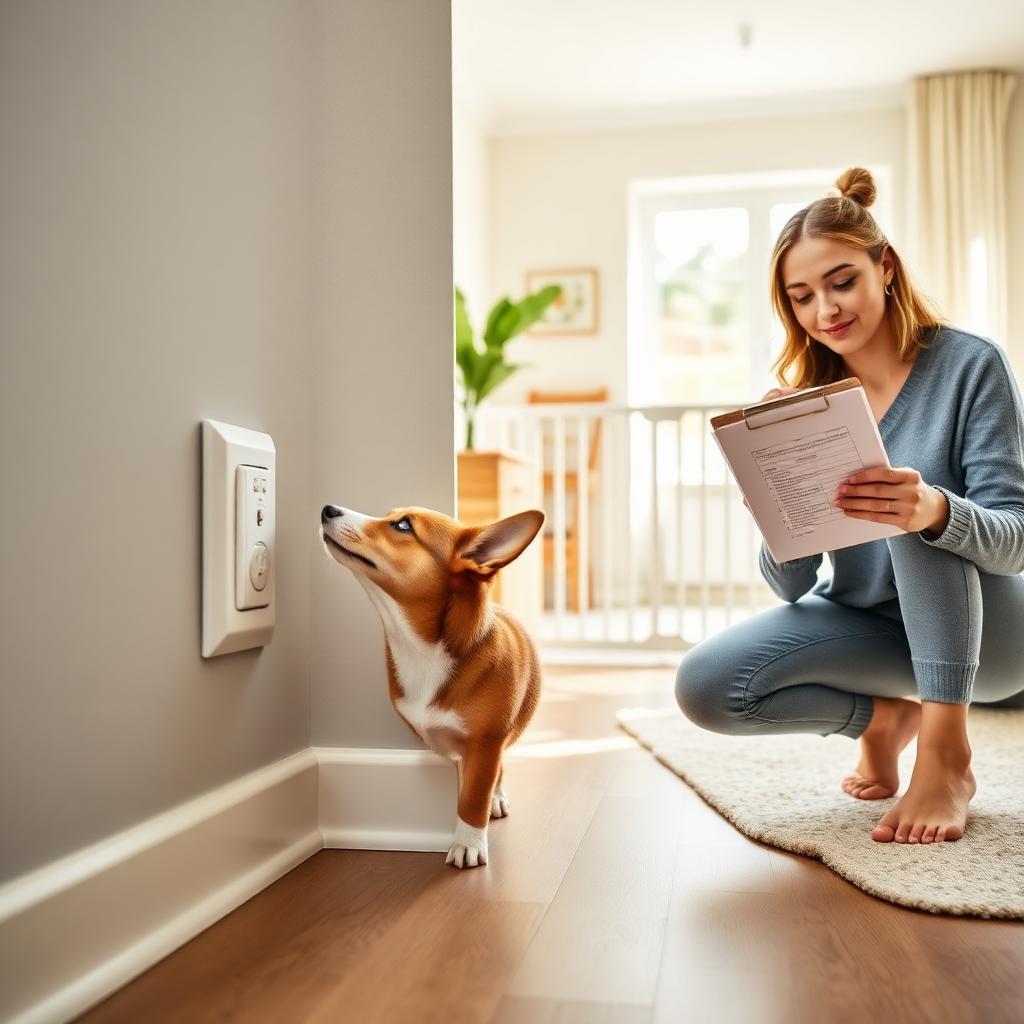 Puppy-Proofing Your Home: A Trainer's Room-by-Room ChecklistA certified trainer's room-by-room puppy-proofing checklist. Hazards, fixes, and the five things owners forget until something gets chewed.11 min read
Core obedience
The cues every puppy should learn first, taught with clear timing and small rewards.
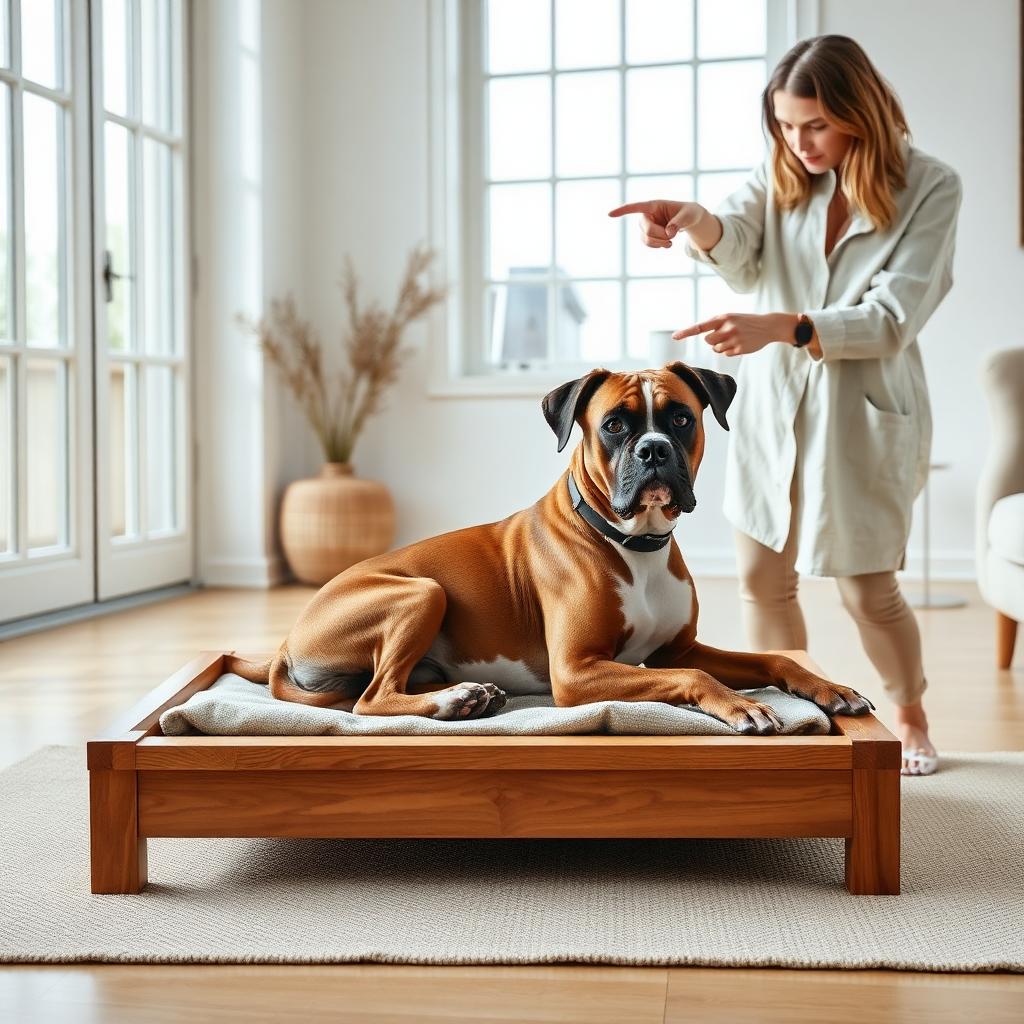 How to Teach a Puppy the 'Place' Command (Settle on a Mat)A step-by-step guide to teaching the 'place' command so your puppy settles calmly on a mat — even during dinner, doorbells, and Zoom calls.10 min read
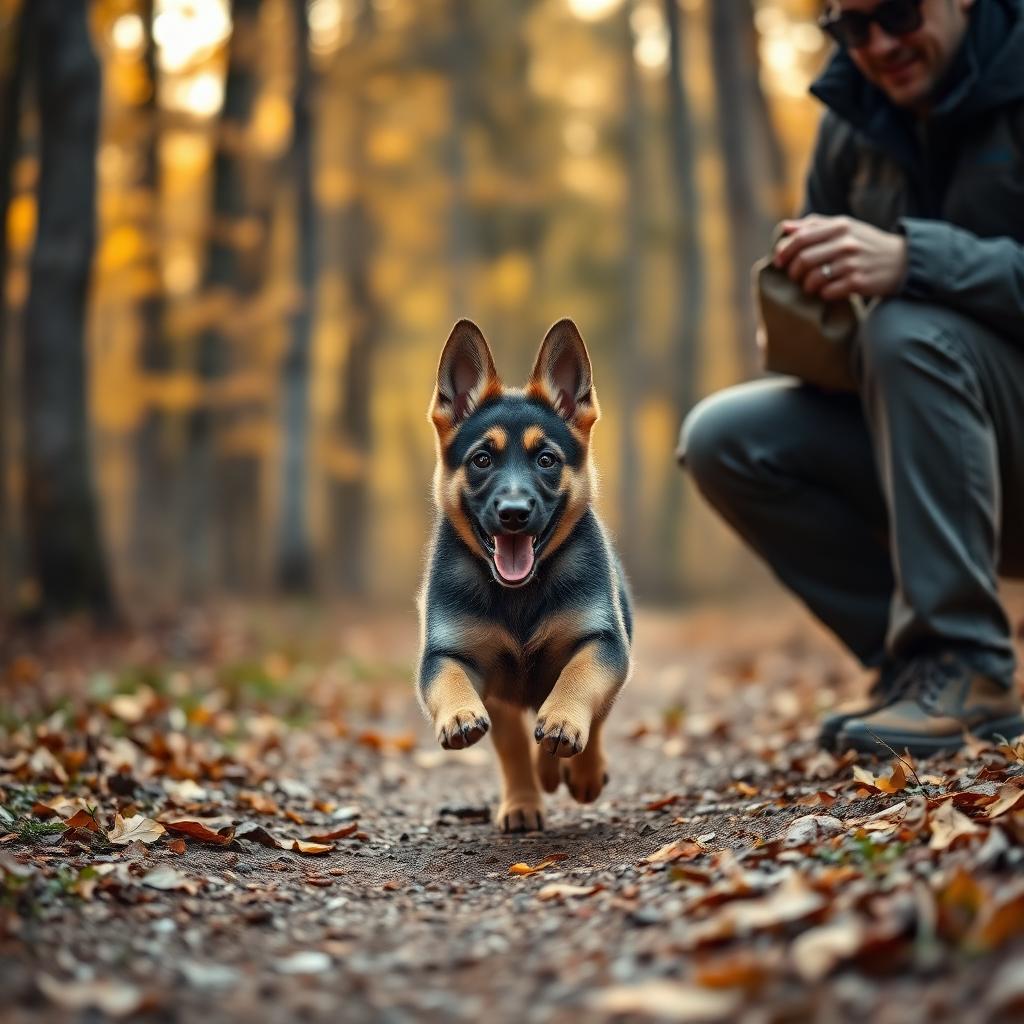 Teaching Recall That Works in Distracting EnvironmentsWhy your puppy's recall falls apart in the park, and the 5-stage trainer protocol that makes 'come' reliable around dogs, smells, and squirrels.12 min read
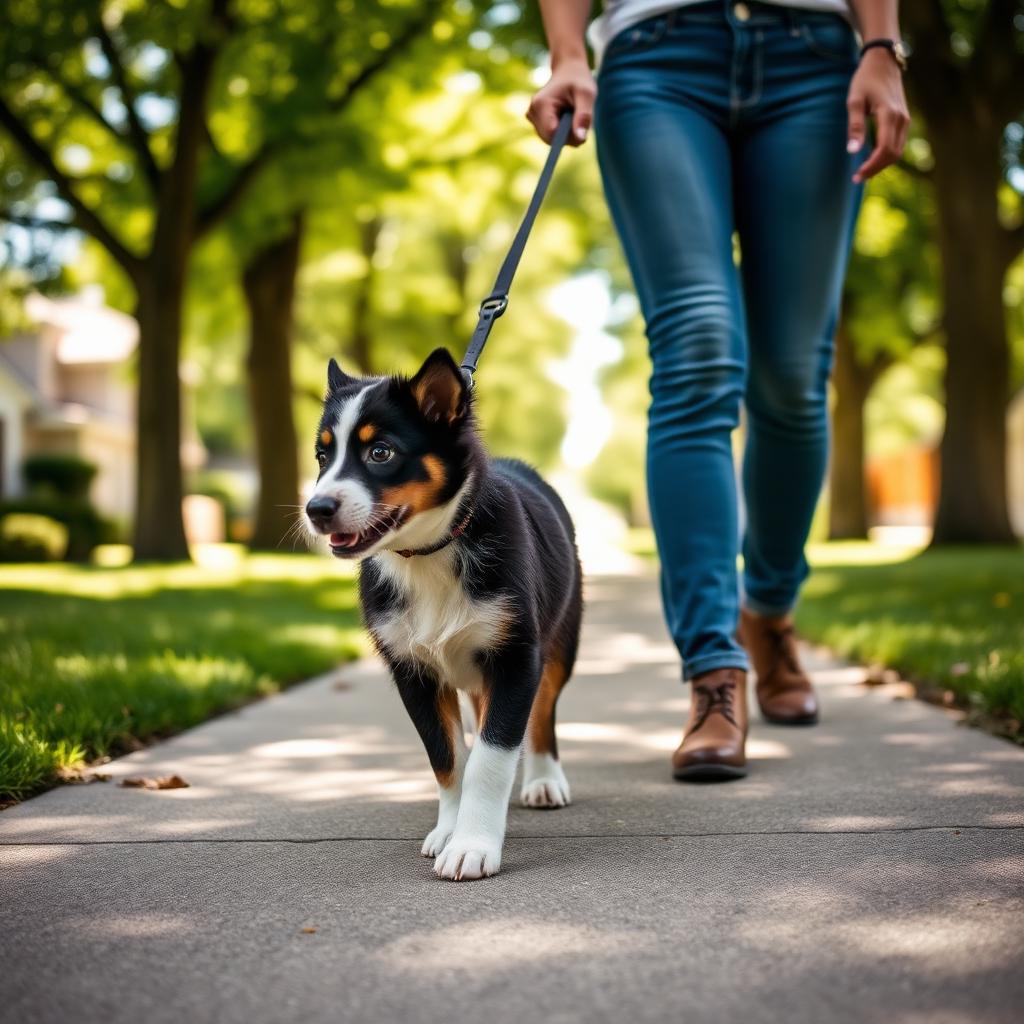 Loose-Leash Walking for Puppies: How to Stop the Pulling Before It StartsA force-free, mechanically simple way to teach a puppy to walk on a loose leash. Equipment, drills, and progression included.9 min read
Real-world reliability
Distance, distraction, and duration — the three D's that separate a cue from a habit.
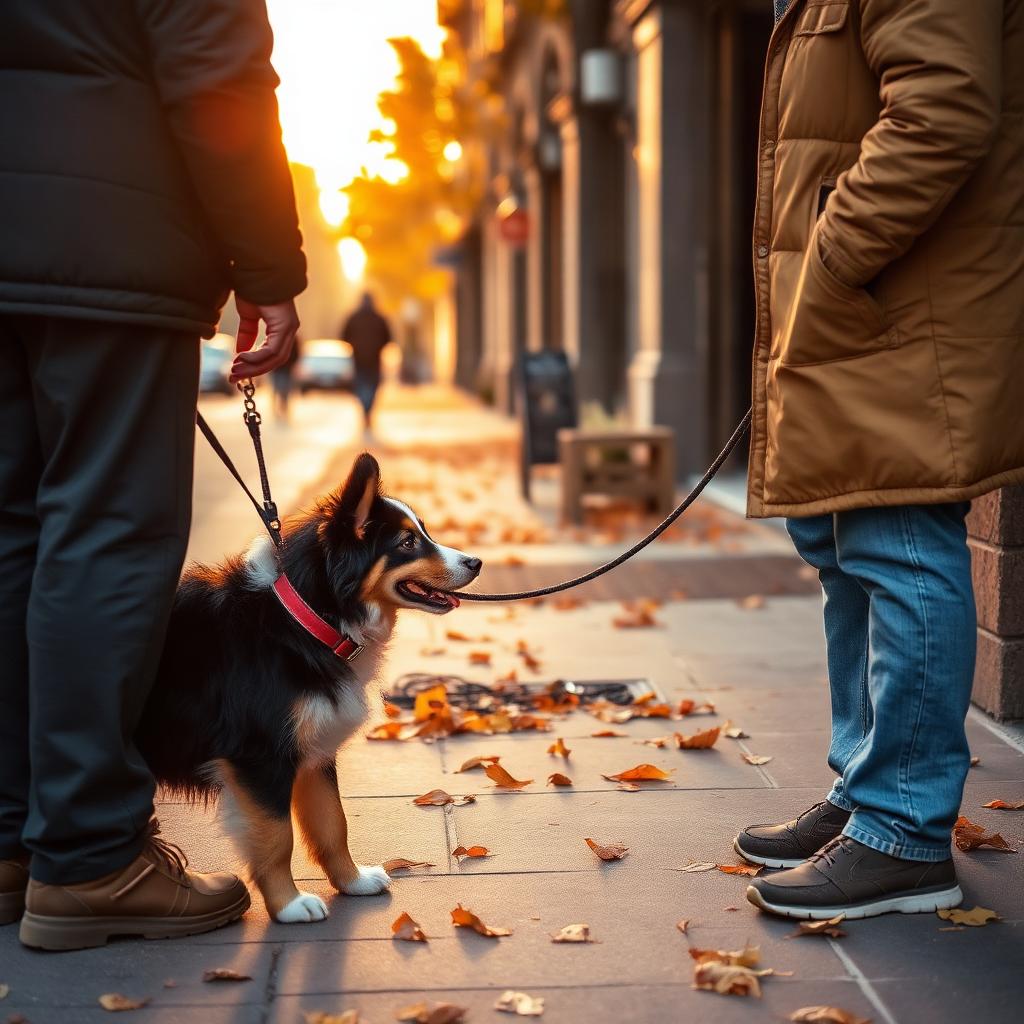 The Puppy Socialization Checklist: 14 Categories of Positive Experiences (3–14 Weeks)A trainer-built socialization checklist for the critical 3–14 week window. People, dogs, surfaces, sounds, and handling — done safely.12 min read
 Introducing Your Puppy to Children Safely: A Family Trainer's PlaybookStep-by-step protocols for safe puppy-child introductions, age-appropriate rules for kids, and the body-language signals every parent should know.11 min read
Interactive tools for this hub
Use alongside these articles
Frequently asked
- What is the single most important thing to teach a new puppy?
- The value of their name and a marker word ('yes' or a click). Everything else — sit, recall, leash manners — is built on a puppy that reliably looks at you when you say their name.
- How long does it take to train a puppy?
- Foundation skills take 4–6 weeks. Real-world reliability across distraction typically takes 8–14 months, with a predictable regression during adolescence at 6–9 months.
- Do I need a professional trainer?
- A well-run group puppy class between 8 and 16 weeks is the highest-leverage investment you can make. After that, private coaching is optional unless you're seeing fear, reactivity, or aggression.
Continue learning
Related hubs
The Puppy Behavior Hub
Behaviorist-reviewed hub covering normal puppy behavior, fear periods, adolescence, nipping, and when a behavior warrants a professional.
Enter hubThe Puppy Socialization Hub
Behaviorist-reviewed puppy socialization hub: the critical 3–14 week window, exposure planning, meeting people and dogs, and sensitive periods.
Enter hubThe House Training Hub
A complete, trainer-reviewed system for house training a puppy: crate work, potty schedules, overnight routines, and troubleshooting.
Enter hub