Socialization
Introducing Your Puppy to Children Safely: A Family Trainer's Playbook
Puppy bites to children make up the largest single category of dog-related ER visits for kids under nine. Almost none of those bites come from 'aggressive' dogs — they come from normal puppies in normal homes whose tolerance was crossed by a child who didn't know any better. The fix is rarely about training the dog harder. It's about engineering the environment, scripting the introduction, and giving children rules they can actually follow. I've coached hundreds of growing families through this; here is the protocol that works.

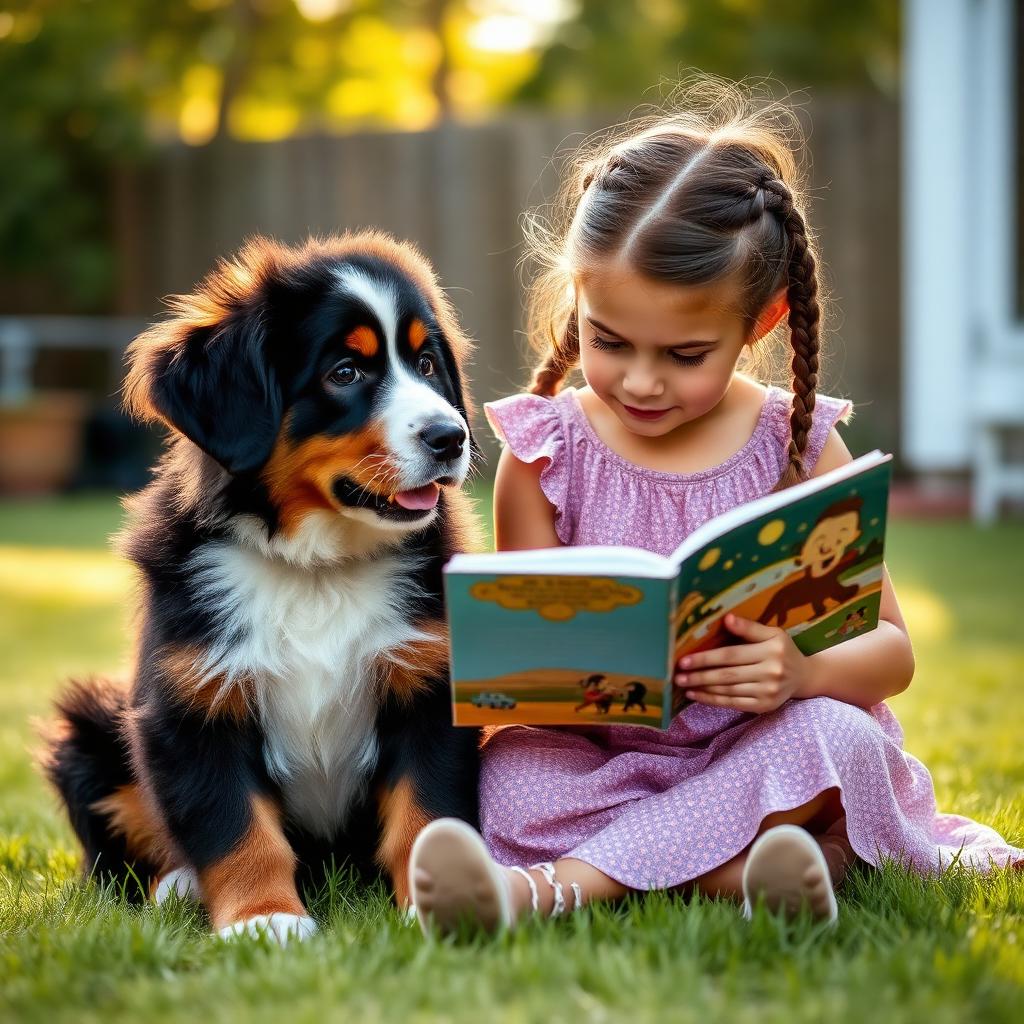
Before the puppy arrives: set the architecture
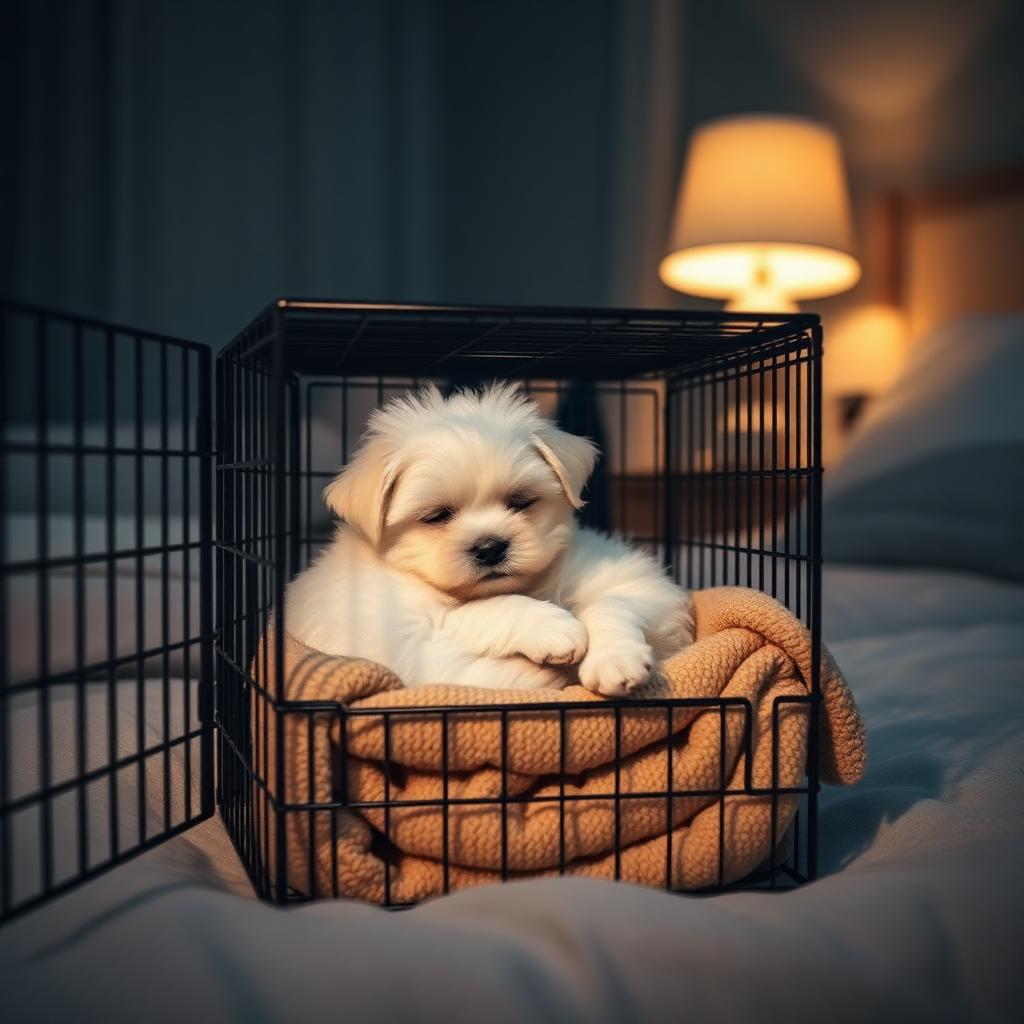
The single highest-leverage move is to create one space the puppy can retreat to that no child is allowed to enter — ever, with no exceptions. A crate in a quiet corner, an exercise pen, or a baby-gated room all work. Frame it for the kids in absolute terms: 'When the puppy is in their bed, the puppy is invisible.' Children understand binary rules better than nuanced ones.
Hold a 15-minute family meeting before pickup day. Walk through the rules. Have each child practice the calm sit-on-the-floor greeting position. Show them how to hand a treat with an open, flat palm. Make a printable family agreement that every kid old enough to read signs. The ritual matters as much as the content.
The first meeting: low, slow, and on the puppy's terms
Bring the puppy home and into the quiet prep room described in our first night with a new puppy guide. After the puppy has eliminated outside and taken a few minutes to investigate the room, bring the children in one at a time. Have each child sit on the floor with their legs crossed, eyes soft, and a small treat in an open palm resting on their knee.
Do not let the child approach. Let the puppy choose. If the puppy comes over and takes the treat, the child quietly says 'good puppy' and looks away — no grabbing, no hugging. Two minutes per child, then a break. Repeat across the day. A puppy who chooses the interaction is a puppy who's learning that kids are predictable, generous, and easy to be around.
Age-appropriate rules for kids
Ages 2–4: bystanders only
Toddlers cannot reliably control their bodies around a puppy and should never be left within arm's reach of one unsupervised, full stop. Their job is to watch from a parent's lap, drop a treat on the floor when asked, and stay out of the puppy's bed and food bowl. Trying to teach a 3-year-old to 'be gentle' is a coin flip; engineering distance is not.
Ages 5–8: structured participants
Kids in this range can learn three real cues: sit, touch (hand target), and 'all done.' Pair this age group with one-minute training sessions, treats pre-measured into a small cup. They feel like trainers, the puppy gets reinforcement from low-pressure handlers, and you get to supervise from across the room. Keep all greetings on the floor — no picking the puppy up.
Ages 9+: full participants with rules
Older kids can take the puppy on supervised potty trips, run short loose-leash walking sessions in the yard (start with our loose-leash walking guide), and help with feeding routines. The rule they must internalize: never disturb a puppy who is eating, chewing, or sleeping.
Body language every parent must know
Almost every dog bite to a child is preceded by visible warning signals that adults missed. Teach yourself — and your older kids — to recognize the stress ladder.
- Yawn or lip lick outside of meal or wake-up context = mild stress.
- Whale eye (whites of eyes showing in a crescent) = clear discomfort, intervene immediately.
- Head turn away from the child, slow body freeze = the puppy is asking for distance.
- Stiff body, closed mouth, hard stare = high stress, separate now without scolding the dog.
- Growl = a gift. The puppy is using a warning instead of a bite. Never punish a growl, or the next escalation skips straight to snapping.
Safe play and the games to ban
Tug, fetch, find-it, and short obedience games with treats are all great with supervision. Chase games where the child is the runner are the most consistent driver of nipping in young puppies — the running motion triggers prey-style chase responses, and the child usually screams, which heightens arousal. Replace chase with a structured 'recall race' where the child runs five feet, then sits and the puppy recalls to them for a treat. Same energy, none of the predatory cues.
- Banned: chase games where the child is the prey, wrestling on the floor, picking the puppy up and carrying them around.
- Banned: any face-to-face hugging or kissing — the leading cause of facial bites in young children.
- Encouraged: floor-level treat games, hand-target practice, sniff walks, calm grooming with a soft brush.
Special case: infants, toddlers, and a new puppy in the same year
Bringing a puppy home in the first year of a baby's life is a heavier lift than most families expect. If you choose to, lean hard on management: separate spaces, never overlapping unsupervised time, and a written rotation schedule for whose turn it is to be 'on' the puppy. The puppy's socialization window closes around 16 weeks, so the early weeks are dense — make a written exposure list (see our broader socialization checklist) and treat it like a project.
If you already have a household cat, run the parallel introduction protocol from our introducing a puppy to a cat guide. Multi-species, multi-child households are entirely manageable — they just require explicit structure, because nothing about a 9-week-old puppy is going to self-organize.
Key takeaways
- Engineer one space the puppy can retreat to that no child enters — ever.
- Toddlers are bystanders; kids 5+ can be structured participants with adult supervision.
- Learn the stress ladder; never punish a growl — it's a warning, not a problem.
Frequently asked questions
- Is it safe to leave a puppy alone with my child?
- Not under any circumstance, regardless of breed or temperament, for children under 9. 'Alone' includes being in the same room while you check your phone. Supervision means eyes on the interaction, not just presence in the building.
- My puppy nips my kid when she runs. Is this aggression?
- Almost never. Running children trigger predatory chase and excited nipping in normal puppies. Replace the chase with structured games and teach the child to freeze instantly if the puppy starts to chase — stillness ends the game.
- How do I teach my child to give the puppy space?
- Use a visual cue the child can see — the puppy's bed or crate. Make the rule binary: 'When the puppy is on the bed, we don't touch.' Practice when the puppy is not there, so the child internalizes the rule without the puppy as a trigger.
- Should I let my kids feed the puppy?
- Yes, with supervision and a process: child measures food into a bowl, sets it down, then steps back six feet. Never let a child hover over a puppy who is eating. This builds positive association without resource-guarding risk.
Interactive tools
Use with this guide
Keep reading
Socialization
The Puppy Socialization Checklist: 14 Categories of Positive Experiences (3–14 Weeks)
A trainer-built socialization checklist for the critical 3–14 week window. People, dogs, surfaces, sounds, and handling — done safely.
12 min read
Obedience Training
Loose-Leash Walking for Puppies: How to Stop the Pulling Before It Starts
A force-free, mechanically simple way to teach a puppy to walk on a loose leash. Equipment, drills, and progression included.
9 min read
Socialization
Introducing a Puppy to a Resident Cat — Without a Hissing Disaster
A trainer and Fear Free pro's 4-phase plan for introducing a new puppy to a resident cat. Scent swap, gated meetings, and what to never do.
11 min read

Puppy Basics
The Puppy Training Schedule: A Calm, Repeatable Plan for Your First 30 Days
A trainer-built, day-by-day puppy training schedule for the first month. Routines, potty timing, naps, socialization, and what to skip.
14 min read
House Training
Crate Training a Puppy Without the Crying: A Step-by-Step, Welfare-First Method
A trainer's gentle, evidence-based protocol for crate training a puppy without distress vocalization. Day-by-day plan included.
11 min read

Puppy Health
The Puppy Vaccination Schedule, Explained: What, When, and Why
A plain-English guide to the core puppy vaccine schedule from 6 to 16 weeks, plus optional vaccines and what to expect at the vet.
8 min read
Continue learning
Explore the full The Puppy Socialization Hub
Behaviorist-reviewed puppy socialization hub: the critical 3–14 week window, exposure planning, meeting people and dogs, and sensitive periods.