Puppy Basics
Puppy-Proofing Your Home: A Trainer's Room-by-Room Checklist
Most owners I work with puppy-proof in two waves: once before pickup day, and again — frantically — after the first chewed phone charger. The truth is that puppies don't see hazards; they see textures. A loose cord is a tug toy. A trailing curtain is a chase target. A houseplant is a salad. This checklist is the one I hand my private clients, and it's organized the way puppies actually move through a home: low, fast, and mouth-first.

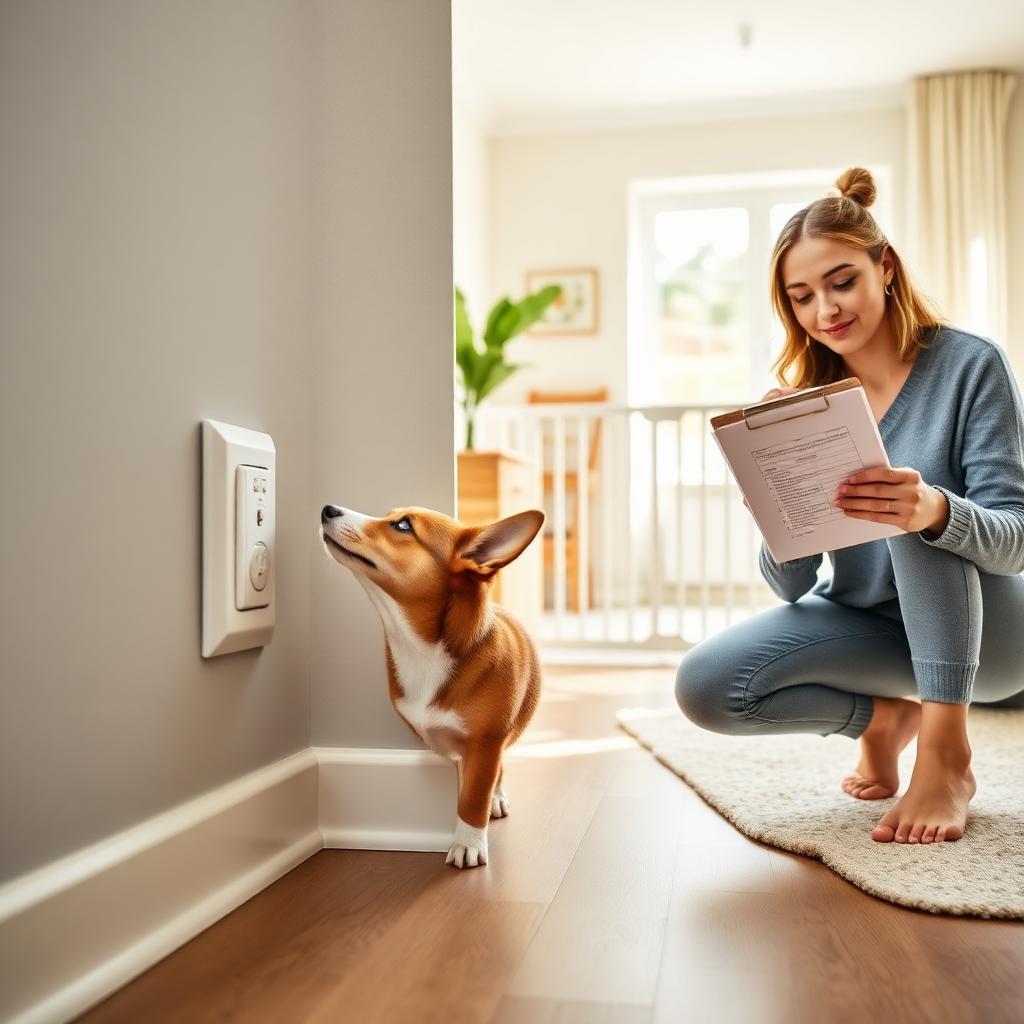
Puppy-proofing mindset: contain first, fix second
Before you buy a single bitter-apple spray, accept this premise: you will not seal every hazard in your home. Your job is to shrink the puppy's world to a space you can actually keep safe, then expand it as their impulse control grows. A baby gate is worth more than three drawers of training tools. If you've already mapped out a daily rhythm with our 30-day puppy training schedule, layer this checklist on top of it.
Get down on your knees in each room and scan at puppy eye level. You will find dangling lamp cords, kicked-under socks, and dust-bunny coins you forgot existed. That is the actual hazard layer. Don't trust an adult's-eye walk-through.
Living room: cords, cushions, and choking hazards
The living room hosts the largest cluster of low-level hazards because it's where charging cables, remotes, and decorative objects live. Reroute every cord behind furniture or inside a split-tube cord protector. Lift charging bricks off the floor entirely — a wet puppy mouth on a plugged adapter is the call no one wants to make.
- Anchor heavy floor lamps; bracing into a stud takes ten minutes.
- Move houseplants up: lilies, sago palms, pothos, and dieffenbachia are all toxic to dogs (see the ASPCA toxic plant list).
- Remove low-shelf decor for the first eight weeks. Books and ceramics return when teething ends.
- Pick up small kids' toys, especially Lego, hair ties, and bottle caps — frequent intestinal obstruction culprits.
- Audit your rugs for fringe. Puppies pull threads and swallow them.
Kitchen & dining: the highest-stakes room
The kitchen is statistically where most poisoning calls originate. Onions, garlic, grapes, raisins, xylitol-sweetened gum, chocolate, and macadamia nuts are all confirmed toxins. Treat the trash can like an unlocked medicine cabinet — it is, from the puppy's perspective.
- Use a step-can with a locking lid, or move the bin inside a cabinet with a magnetic child lock.
- Keep dishwasher pods and dish soap on a high shelf, not under the sink.
- Block the gap under the fridge with foam — small puppies wedge themselves under appliances chasing crumbs.
- Sweep before bed; pre-soaked floors and dropped food are a midnight diarrhea recipe.
- Establish a 'puppy mat' a few feet from the table so begging is shaped early — pair with our loose-leash walking foundations for impulse control.
Bedrooms & bathrooms: the surprise hazards
Bathrooms are the room owners under-prep. Toilet paper rolls, cotton swabs, hair ties, and pulled-up bath mats all read as fair game. Worse, prescription bottles dropped into a puppy mouth can be life-threatening within minutes — keep the floor and counters empty.
- Close toilet lids; some puppies drink from bowls treated with cleaner tablets.
- Stash laundry hampers behind a closed door. Socks are the most common surgical foreign body in puppies under one year.
- Tuck duvet corners up onto the bed during the day so they don't become teething targets.
- Use a doorstop or hook-and-eye latch — closing doors fully prevents 90 percent of overnight bedroom mischief.
Yard, garage, and balcony
Outdoors gets less attention because the space feels open, but it concentrates serious risks: antifreeze (sweet-tasting and lethal in tiny doses), rodenticides, slug bait, cocoa-mulch, and gaps in fencing wide enough for a 10-week-old head. Walk the perimeter on your knees and patch every fist-sized opening.
- Move all chemicals to a top shelf in the garage and double-check the floor for spills.
- Cover decking gaps and balcony rail spaces wider than 4 inches with mesh.
- Pull mushrooms after rain; several common lawn species cause acute liver failure.
- Set up a gravel or turf potty pad if you live in an apartment — see our overnight potty training guide for the routine that works with it.
Five hazards owners forget every single time
- Reclining chair mechanisms — puppies have lost tails and toes inside the base.
- Throw blankets dragging the floor — both an ingestion and a tripping hazard for the puppy on the stairs.
- Open dishwashers — knife points up is a trip to the ER.
- Battery packs in remotes — lithium coin cells cause caustic burns within hours.
- Hand sanitizer — alcohol toxicity in a 5 kg puppy starts at very small volumes.
If you only do three things this week: install two baby gates, route every cord behind furniture, and walk each room on your knees. That triage prevents most of the calls I get during a puppy's first month.
Key takeaways
- Contain the puppy to a small, well-prepared zone before trying to fix every hazard.
- Cords, trash, laundry, and houseplants cause the majority of incidents in the first month.
- Get on your knees in each room — adult-eye scans miss the real hazard layer.
Frequently asked questions
- How long do I need to keep my home puppy-proofed?
- Most puppies relax their chewing intensity around 7 to 9 months, after adult teeth have fully erupted. Plan to keep cords protected and trash secured for at least the first year — many adult dogs still counter-surf if given the chance.
- Are bitter sprays effective on cords and furniture?
- They help some puppies and do nothing for others. Treat them as a backup to physical management, not a replacement. A cord protector tube is far more reliable than any spray.
- Is an exercise pen better than gating a whole room?
- For puppies under 12 weeks, yes. A 4-by-4-foot pen lets you contain mess, attach a crate, and watch the puppy directly. As reliability grows, expand to a gated room, then the full floor.
- What plants are safe to keep with a puppy?
- Spider plant, Boston fern, areca palm, calathea, and most herbs (basil, thyme, rosemary) are non-toxic. Always cross-check using the ASPCA toxic and non-toxic plant database before bringing a new plant home.
Interactive tools
Use with this guide
Keep reading

Puppy Basics
The Puppy Training Schedule: A Calm, Repeatable Plan for Your First 30 Days
A trainer-built, day-by-day puppy training schedule for the first month. Routines, potty timing, naps, socialization, and what to skip.
14 min read

House Training
Crate Training a Puppy Without the Crying: A Step-by-Step, Welfare-First Method
A trainer's gentle, evidence-based protocol for crate training a puppy without distress vocalization. Day-by-day plan included.
11 min read

Puppy Health
The Puppy Vaccination Schedule, Explained: What, When, and Why
A plain-English guide to the core puppy vaccine schedule from 6 to 16 weeks, plus optional vaccines and what to expect at the vet.
8 min read
Puppy Basics
The First Night With a New Puppy: A Trainer's Hour-by-Hour Survival Guide
What to actually do on your puppy's first night home — from the 6 p.m. arrival to the 3 a.m. potty trip. A certified trainer's calm, realistic plan.
11 min read

Socialization
The Puppy Socialization Checklist: 14 Categories of Positive Experiences (3–14 Weeks)
A trainer-built socialization checklist for the critical 3–14 week window. People, dogs, surfaces, sounds, and handling — done safely.
12 min read
Obedience Training
Loose-Leash Walking for Puppies: How to Stop the Pulling Before It Starts
A force-free, mechanically simple way to teach a puppy to walk on a loose leash. Equipment, drills, and progression included.
9 min read
Continue learning
Explore the full The Ultimate Puppy Training Guide
A complete, trainer-reviewed roadmap to puppy training from week 8 through 12 months — foundations, obedience, leash manners, and adolescence.