Hub · Cornerstone guide
The Puppy Behavior Hub
Puppy behavior is not misbehavior — it's a developing brain telling you what stage it's in. This hub, reviewed by Dr. Lin Park (ACAAB), separates what's normal from what needs attention, and gives you an evidence-based response for each.
Critical socialization window
3–14 weeks
First fear period
~8–10 weeks
Second fear period
6–14 months (varies)
Adolescence peak
6–12 months
At-a-glance timeline
- 8–10 weeksNeophobia dips, then rebounds — expect a mini fear period
- 3–5 monthsPeak nipping, teething, and world-testing
- 5–7 monthsAdolescence begins — recall regresses, that's normal
- 7–12 monthsSecond fear period possible; keep experiences positive & sub-threshold
- 12–24 monthsSocial maturity — final brain wiring settles in
Normal puppy behavior vs. red-flag behavior
| Behavior | Normal | Red flag — call a pro |
|---|---|---|
| Nipping | Play-biting until ~5 months | Hard, targeted, snarling bites; guarding food/toys with growl+lunge |
| Startling | Recovers within seconds/minutes | Frozen, shaking, avoids for hours — see a behaviorist |
| Alone time | Whines briefly, settles | Panic, self-injury, destruction — separation-related |
| Reactivity on leash | Excited to see dogs | Repeated lunging + barking that doesn't resolve with distance |
'Red flag' does not mean the puppy is broken — it means the situation calls for a certified behavior consultant (CBCC-KA) or veterinary behaviorist rather than a general trainer.
Normal development
The stages you'll live through, plotted on a real timeline.
 The Puppy Teething Timeline: What to Expect Month by MonthVet-reviewed puppy teething timeline. When baby teeth fall out, what biting really means, and the safest chews to offer at every stage.12 min read
 The First Night With a New Puppy: A Trainer's Hour-by-Hour Survival GuideWhat to actually do on your puppy's first night home — from the 6 p.m. arrival to the 3 a.m. potty trip. A certified trainer's calm, realistic plan.11 min read
Everyday behavior
Nipping, jumping, over-excitement, and the emotional urination that surprises new owners.
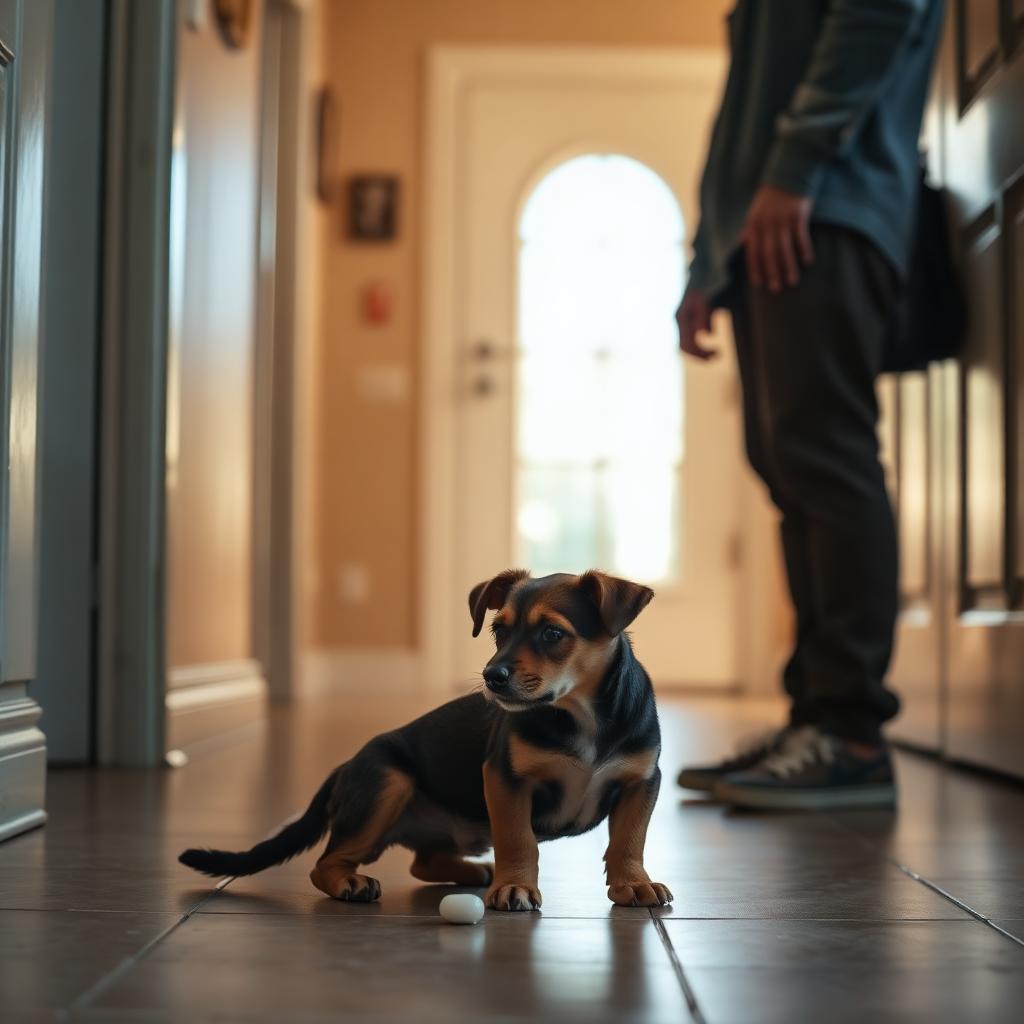 How to Stop Puppy Submissive and Excitement Urination (Without Making It Worse)Why puppies pee when greeting people, and the calm, evidence-based steps to fix submissive and excitement urination without damaging confidence.10 min read
 How to Teach a Puppy the 'Place' Command (Settle on a Mat)A step-by-step guide to teaching the 'place' command so your puppy settles calmly on a mat — even during dinner, doorbells, and Zoom calls.10 min read
Under distraction
Recall, leash reactivity, and the moments when calm falls apart.
 Teaching Recall That Works in Distracting EnvironmentsWhy your puppy's recall falls apart in the park, and the 5-stage trainer protocol that makes 'come' reliable around dogs, smells, and squirrels.12 min read
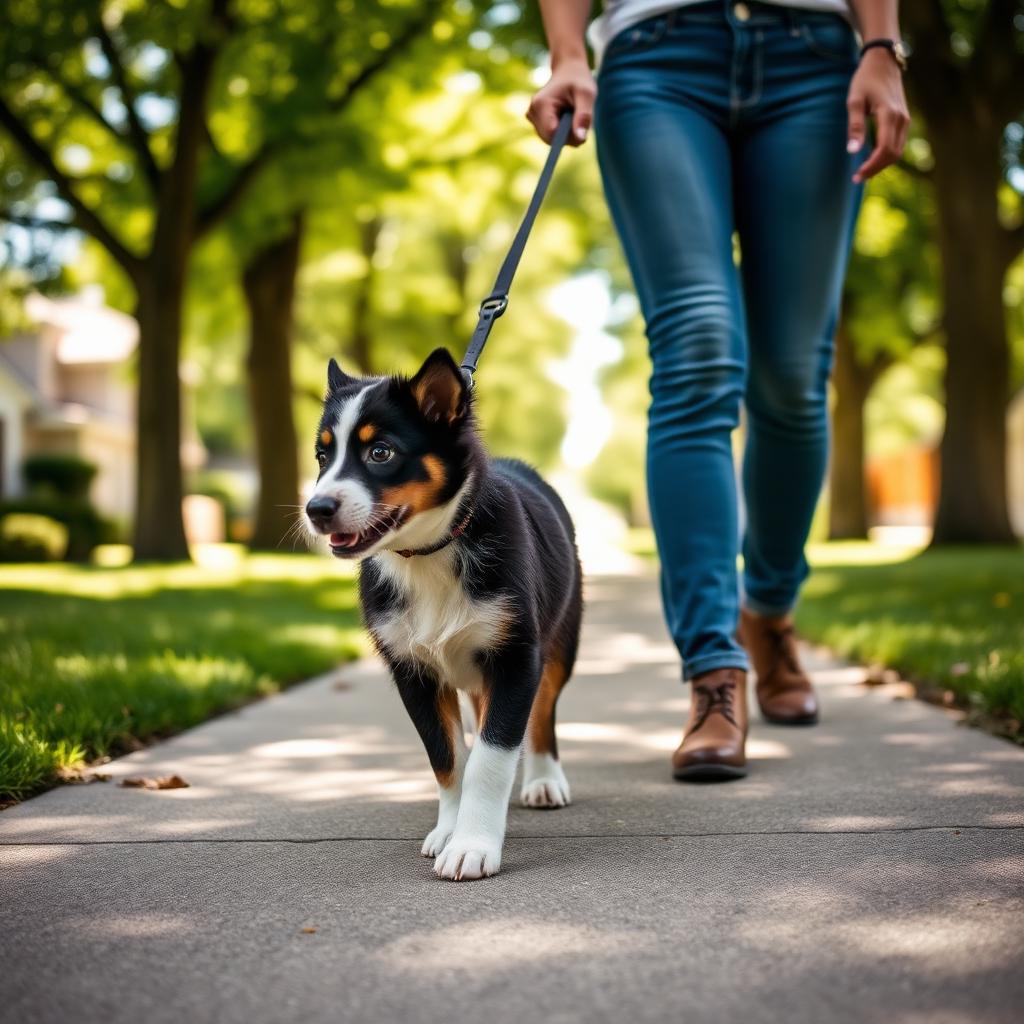 Loose-Leash Walking for Puppies: How to Stop the Pulling Before It StartsA force-free, mechanically simple way to teach a puppy to walk on a loose leash. Equipment, drills, and progression included.9 min read
Interactive tools for this hub
Use alongside these articles
Frequently asked
- Is my puppy 'trying to dominate' me?
- No. The alpha/dominance framework has been thoroughly debunked in peer-reviewed literature — the original studies were on unrelated captive wolves. Behavior you're seeing is developmental, environmental, or a learning-history issue.
- When should I see a certified behaviorist?
- For fear, aggression, resource guarding beyond mild trades, separation panic, or any bite that breaks skin. Look for CBCC-KA, ACAAB, or DACVB credentials — general trainers should refer these cases.
- Will my puppy 'grow out of' nipping?
- Most puppies stop mouthing hard by 5 months as adult teeth come in and they learn bite inhibition — but only if you actively teach the difference between soft and hard mouthing, not by yelping and hoping.
Continue learning
Related hubs
The Puppy Socialization Hub
Behaviorist-reviewed puppy socialization hub: the critical 3–14 week window, exposure planning, meeting people and dogs, and sensitive periods.
Enter hubThe House Training Hub
A complete, trainer-reviewed system for house training a puppy: crate work, potty schedules, overnight routines, and troubleshooting.
Enter hubThe Ultimate Puppy Training Guide
A complete, trainer-reviewed roadmap to puppy training from week 8 through 12 months — foundations, obedience, leash manners, and adolescence.
Enter hub