Hub · Cornerstone guide
The Puppy Socialization Hub
There is no training investment with a higher lifetime return than careful, positive socialization between 3 and 14 weeks. This hub — reviewed by canine behaviorist Dr. Lin Park — walks through exactly what to expose your puppy to, how, and how much.
Critical window
3–14 weeks (never fully re-opens)
Ideal exposures/day
3–5 short, positive, sub-threshold
Pair with
3 high-value treats per novel stimulus
Watch for
Ear position, tail set, whale eye, tension
Socialization vs. flooding — the difference matters
| Feature | Socialization (do this) | Flooding (avoid) |
|---|---|---|
| Puppy choice | Puppy sets the pace, can retreat | Puppy has no exit |
| Distance from stimulus | Sub-threshold — puppy notices but eats | Over threshold — puppy freezes, barks, hides |
| Rewards | Continuous, food + praise | None, or delayed |
| Outcome | Long-term confidence | Long-term fear or reactivity |
The dog park at 10 weeks is the single most common socialization mistake I see — it's usually flooding, not socialization.
Categories every puppy needs before 14 weeks
- People: ages, appearances, uniforms, mobility aids, hats, glasses, umbrellas
- Dogs: 2–3 known, vaccinated, dog-friendly adults — never random parks
- Sounds: vacuum, blender, doorbell, thunder recording (low volume), traffic
- Surfaces: grass, gravel, tile, wood, metal grate, wobbly board
- Handling: paws, ears, mouth, belly, nail trim simulation
- Places: car rides, elevators, sidewalk cafes, the vet lobby (nothing else)
The framework
How the window works, and why quality of exposure beats quantity.
 The Puppy Socialization Checklist: 14 Categories of Positive Experiences (3–14 Weeks)A trainer-built socialization checklist for the critical 3–14 week window. People, dogs, surfaces, sounds, and handling — done safely.12 min read
 The Puppy Training Schedule: A Calm, Repeatable Plan for Your First 30 DaysA trainer-built, day-by-day puppy training schedule for the first month. Routines, potty timing, naps, socialization, and what to skip.14 min read
Meeting the household
The relationships that shape your puppy's daily life first.
 Introducing Your Puppy to Children Safely: A Family Trainer's PlaybookStep-by-step protocols for safe puppy-child introductions, age-appropriate rules for kids, and the body-language signals every parent should know.11 min read
 Introducing a Puppy to a Resident Cat — Without a Hissing DisasterA trainer and Fear Free pro's 4-phase plan for introducing a new puppy to a resident cat. Scent swap, gated meetings, and what to never do.11 min read
Real-world exposure
Applying the framework once the vaccine series makes public spaces safer.
 Teaching Recall That Works in Distracting EnvironmentsWhy your puppy's recall falls apart in the park, and the 5-stage trainer protocol that makes 'come' reliable around dogs, smells, and squirrels.12 min read
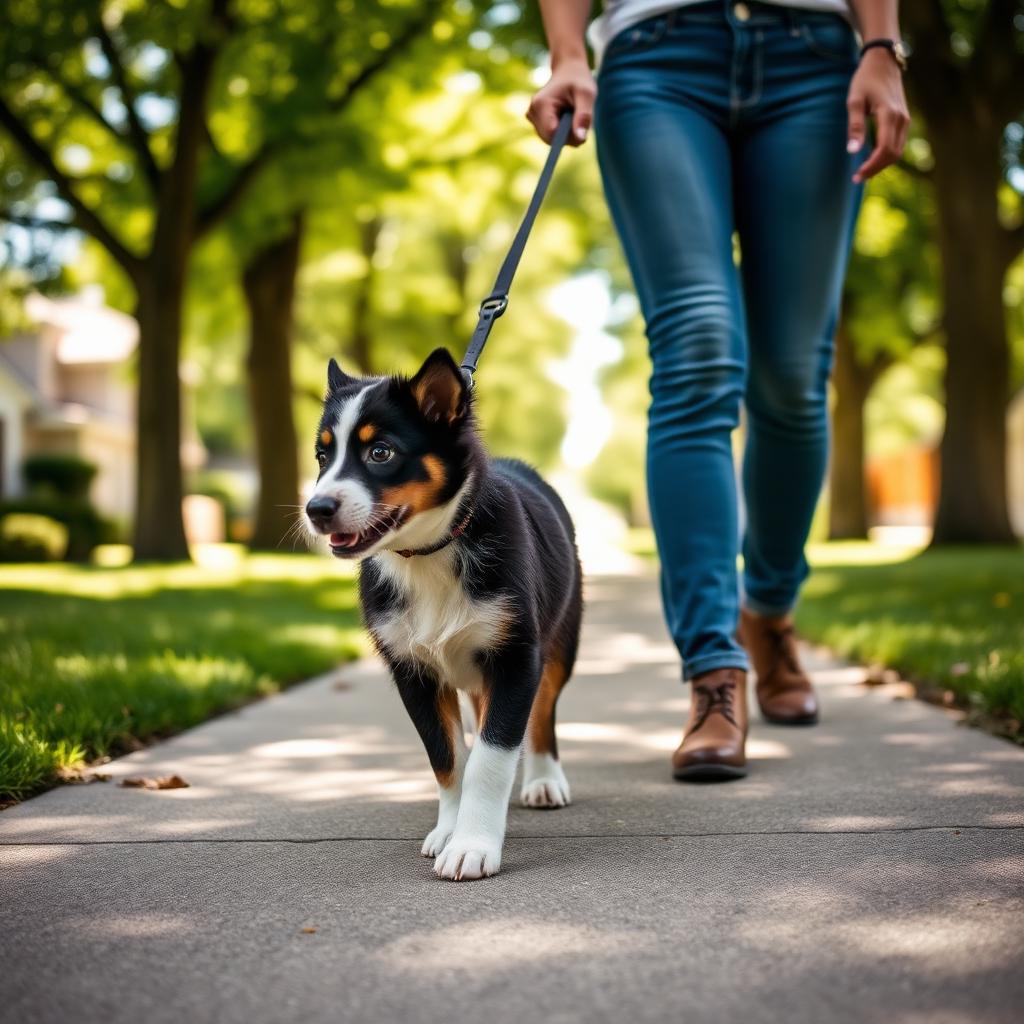 Loose-Leash Walking for Puppies: How to Stop the Pulling Before It StartsA force-free, mechanically simple way to teach a puppy to walk on a loose leash. Equipment, drills, and progression included.9 min read
Interactive tools for this hub
Use alongside these articles
Frequently asked
- Can I socialize my puppy before all vaccines are done?
- Yes — and you must. The AVSAB position statement is clear: the behavioral risks of under-socialization outweigh the medical risks of controlled early exposure. Skip dog parks and pet stores, but yes to trusted vaccinated dogs, held outings, and a puppy class.
- What if I missed the critical window (my puppy is 5 months+)?
- You haven't lost your dog — but the tempo shifts. Under 14 weeks you build associations; after 14 weeks you counter-condition. Both work; the second takes more repetitions and better treats.
- How do I tell if a puppy is overwhelmed?
- Watch for freezing, whale eye (whites showing), tucked tail, lip licking, ears flattened, or refusing food they normally love. Any of these = back up and reduce intensity immediately.
Continue learning
Related hubs
The Puppy Behavior Hub
Behaviorist-reviewed hub covering normal puppy behavior, fear periods, adolescence, nipping, and when a behavior warrants a professional.
Enter hubThe Ultimate Puppy Training Guide
A complete, trainer-reviewed roadmap to puppy training from week 8 through 12 months — foundations, obedience, leash manners, and adolescence.
Enter hub