Socialization
The Puppy Socialization Checklist: 14 Categories of Positive Experiences (3–14 Weeks)
Between roughly 3 and 14 weeks of age your puppy's brain is doing something it will never do again: it is deciding what counts as normal and safe in the world. Experiences during this window have an outsized effect on adult temperament. The American Veterinary Society of Animal Behavior is unambiguous on this point — early, careful socialization, started before the vaccine series is complete, is the single most important behavioral intervention an owner can make.

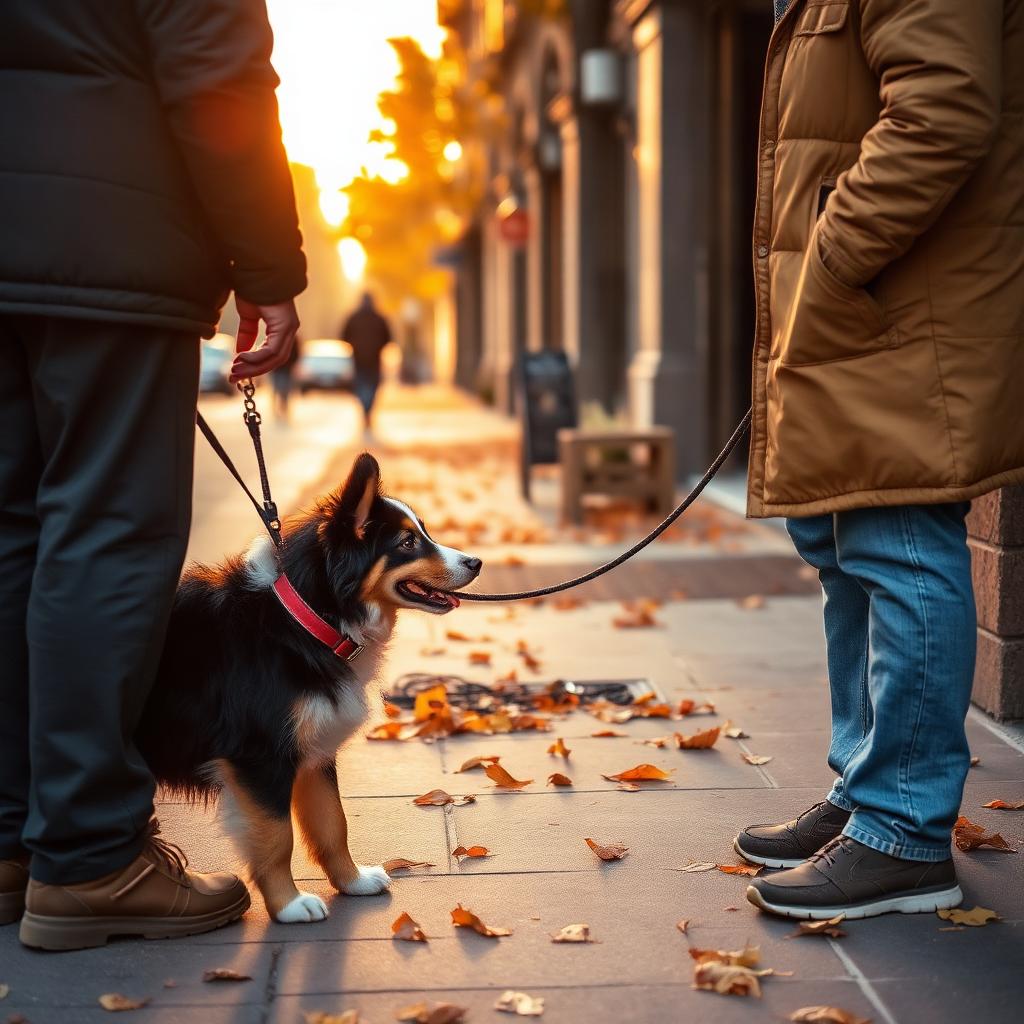
What counts (and what doesn't)
Socialization is not 'let everyone pet the puppy.' That approach often backfires by overwhelming the puppy and producing exactly the timid or reactive adult dog the owner was trying to prevent. Quality socialization is a small, controlled exposure followed by a positive outcome — usually food, play, or quiet observation from a safe distance.
Socializing safely before full vaccination
- Carry your puppy in your arms through busy environments — they still see, hear, and smell.
- Use a stroller, sling, or front-yard blanket for street-level exposure.
- Invite known, vaccinated adult dogs to your home or yard.
- Attend a reputable puppy class that requires proof of first vaccines.
- Avoid dog parks, pet store floors, and high-traffic grass strips until two weeks after the final puppy booster.
The 14-category socialization checklist
- People of different ages — babies, toddlers, teens, older adults.
- People who look different — hats, sunglasses, beards, uniforms, mobility aids.
- Calm, vaccinated adult dogs of different sizes.
- Friendly puppies of similar age in supervised, short play.
- Surfaces — grass, gravel, sand, tile, metal grate, wobble board.
- Sounds — vacuum, blender, doorbell, fireworks recordings at low volume.
- Vehicles — short car rides ending somewhere pleasant.
- Handling — paws, ears, mouth, collar grab, brief restraint, all paired with treats.
- Vet-style handling — stand on a non-slip surface, peek in ears, lift lip.
- Grooming tools — brush, nail clippers shown and rewarded (not used yet).
- Home appliances — washing machine, dishwasher, hairdryer at distance.
- Outdoor settings — quiet park, café patio, hardware store parking lot.
- Being alone — short, planned alone-time sessions of 30 seconds to 5 minutes.
- Novel objects — umbrellas, balloons, suitcases, large boxes.
Stress signals to watch for
Stop, increase distance, and feed treats if you see any of: tucked tail, lip licking when no food is present, yawning, whale eye, freezing, or trying to climb you. A stressed puppy is not being socialized — they are being sensitized.
Key takeaways
- Socialization windows close around 14 weeks — start carefully on day one.
- Carry, stroller, and host playdates to socialize safely before full vaccination.
- Three to five brief positive exposures per day beats a chaotic afternoon at the park.
Frequently asked questions
- Can I socialize my puppy before all vaccines?
- Yes — and you should. The American Veterinary Society of Animal Behavior recommends starting socialization at 7 to 8 weeks, after the first vaccine, while taking common-sense precautions like avoiding dog parks until the series is complete.
- What is the puppy critical socialization period?
- Roughly 3 to 14 weeks of age. Positive experiences during this window have a disproportionate effect on adult temperament, while missed exposures are much harder to address later.
- How many new things should a puppy see each day?
- Quality over quantity. Three to five new, brief, sub-threshold exposures per day is plenty. Overwhelmed puppies don't learn — they sensitize.
Interactive tools
Use with this guide
Keep reading

Puppy Basics
The Puppy Training Schedule: A Calm, Repeatable Plan for Your First 30 Days
A trainer-built, day-by-day puppy training schedule for the first month. Routines, potty timing, naps, socialization, and what to skip.
14 min read
Obedience Training
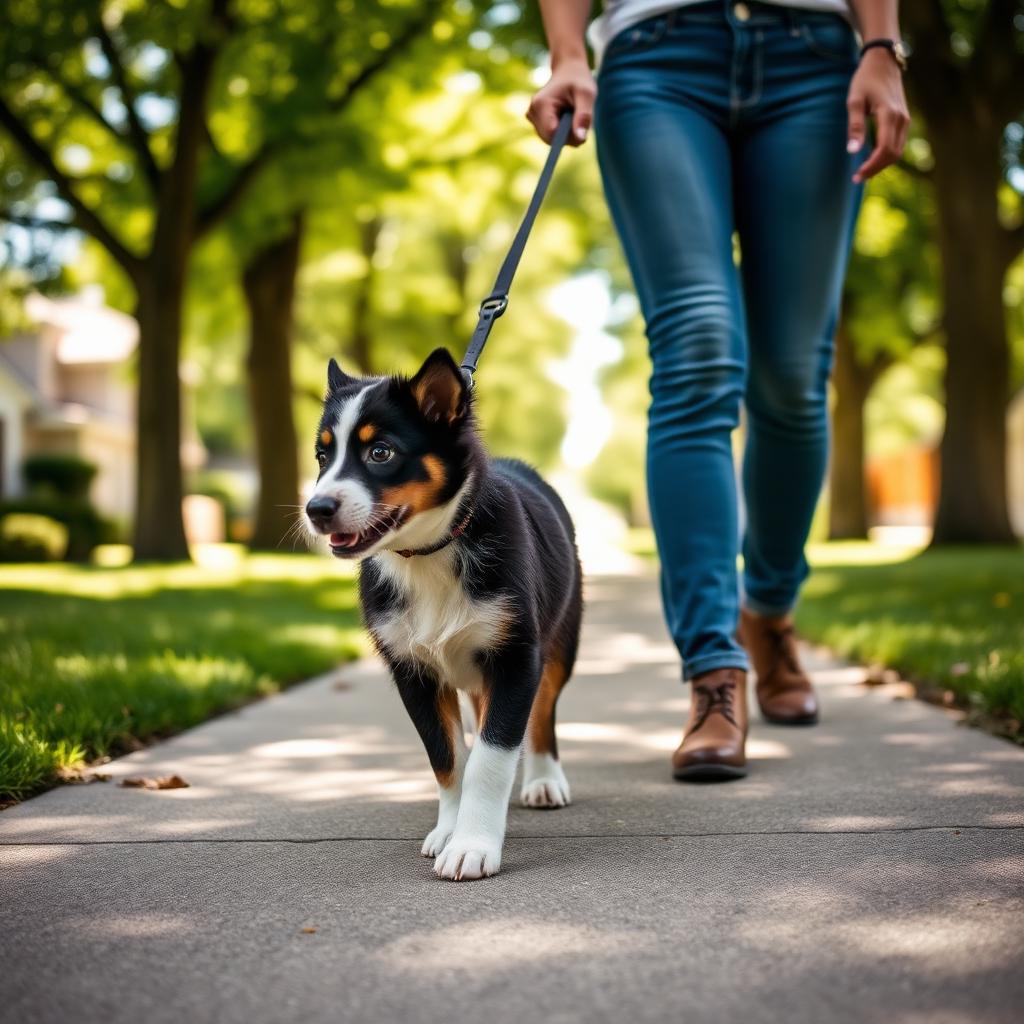
Loose-Leash Walking for Puppies: How to Stop the Pulling Before It Starts
A force-free, mechanically simple way to teach a puppy to walk on a loose leash. Equipment, drills, and progression included.
9 min read

Puppy Health
The Puppy Vaccination Schedule, Explained: What, When, and Why
A plain-English guide to the core puppy vaccine schedule from 6 to 16 weeks, plus optional vaccines and what to expect at the vet.
8 min read

Socialization
Introducing a Puppy to a Resident Cat — Without a Hissing Disaster
A trainer and Fear Free pro's 4-phase plan for introducing a new puppy to a resident cat. Scent swap, gated meetings, and what to never do.
11 min read

Socialization
Introducing Your Puppy to Children Safely: A Family Trainer's Playbook
Step-by-step protocols for safe puppy-child introductions, age-appropriate rules for kids, and the body-language signals every parent should know.
11 min read

House Training
Crate Training a Puppy Without the Crying: A Step-by-Step, Welfare-First Method
A trainer's gentle, evidence-based protocol for crate training a puppy without distress vocalization. Day-by-day plan included.
11 min read
Continue learning
Explore the full The Puppy Socialization Hub
Behaviorist-reviewed puppy socialization hub: the critical 3–14 week window, exposure planning, meeting people and dogs, and sensitive periods.