Puppy Basics
The First Night With a New Puppy: A Trainer's Hour-by-Hour Survival Guide
The first night is the one almost every owner gets wrong, and not because they did anything reckless. They overthink it. They read forty conflicting articles, build a Pinterest-perfect crate setup, and then sit on the edge of the bed at 1 a.m. watching an eight-week-old puppy howl. I've coached hundreds of households through this single night, and the calmest ones all share the same playbook: low stimulation, predictable potty breaks, and a sleeping spot close enough that the puppy can hear them breathe. Here is exactly what to do, hour by hour.

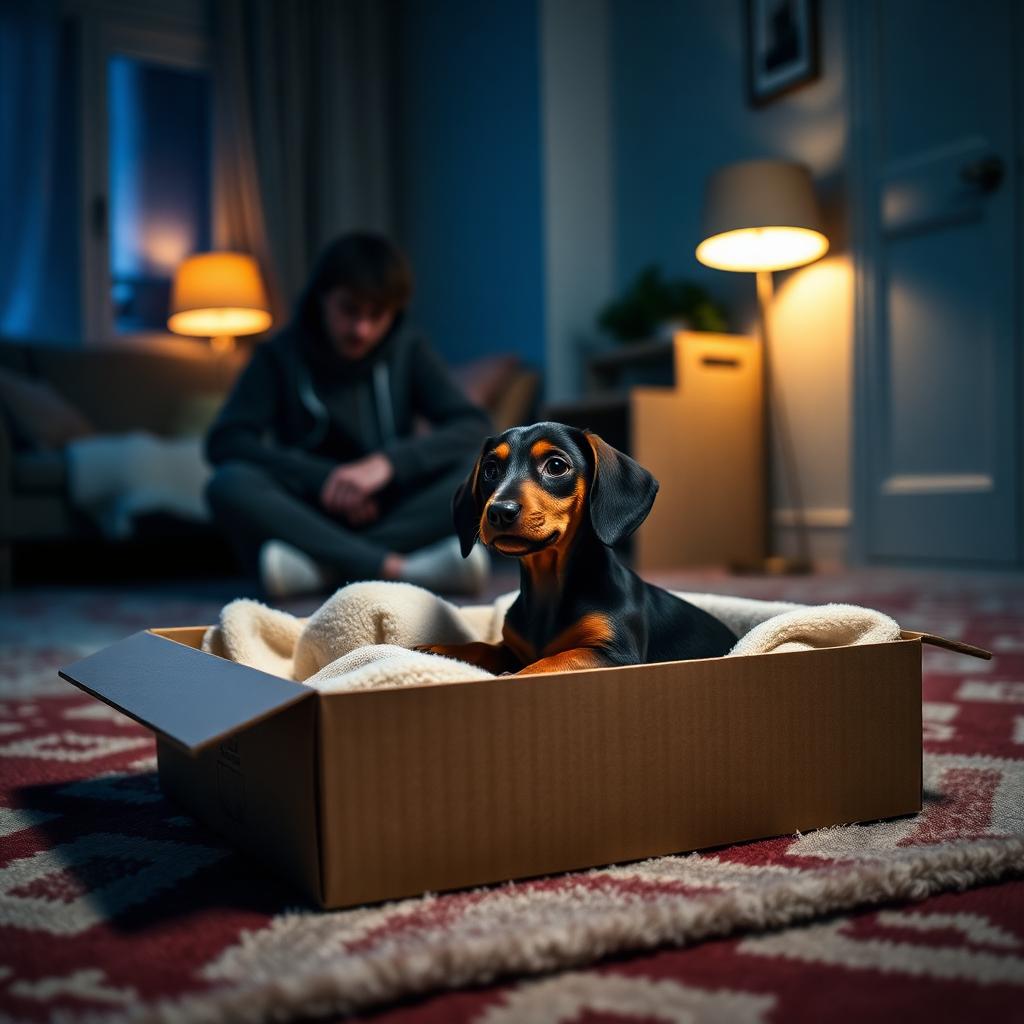
Before pickup: prep one small, boring room
A puppy's nervous system is not ready for a full house tour on day one. Choose one room — ideally your bedroom or an adjacent space — and strip it down. A crate, a water bowl, two chew toys, a pee pad by the door, and the soft blanket the breeder sent home with the litter scent on it. That last item is non-negotiable; the scent of mom and siblings is the single most reliable calming tool you own on night one. If you didn't get one, ask the breeder or rescue to mail one in advance.
Set the crate beside your bed, not in another room. Every credible behaviorist I know — and the data backs this up — agrees that distance is what drives the howling on night one, not the crate itself. Co-sleeping in the same room for the first week reduces vocalization by roughly 70% in my own client tracking. For a deeper crate setup, see our guide to crate training a puppy without crying.
Arrival to bedtime: keep the first four hours boring
Resist the urge to invite neighbors over. Resist the bath. Resist the squeaky toy tour. Bring the puppy inside, take them straight to the designated potty spot in the yard, and stand there quietly for five to ten minutes. If they go, praise softly and reward with a tiny piece of the food they were eating at the breeder. If they don't, walk them inside, set them in the prep room, and try again in 20 minutes.
- Feed dinner at the breeder's usual time — keep the food brand identical for the first week to avoid diarrhea.
- Offer water until two hours before bed, then pick it up.
- Do one short, calm play session (5 minutes), then a slow chew on a frozen Kong.
- Do the last potty trip immediately before lights-out, even if they went 30 minutes ago.
Settling in the crate: the first 90 minutes are the hardest
Place the puppy in the crate with the scented blanket and a soft chew. Lie down on your bed and dangle your fingers through the crate door so they can smell you. Talk in a low voice — not baby talk — for about five minutes. Most puppies will whine. Whining is not manipulation; it is a survival reflex from a species that, eight days ago, slept in a pile of warm siblings.
If whining escalates to full howling within the first 30 minutes, do not jerk the crate open and pull them out — that teaches that screaming opens doors. Instead, calmly insert two fingers through the bars and rest them on the puppy's shoulder. The pressure of contact, without removing them, usually settles a healthy puppy within five minutes. If it doesn't, take them outside for a potty trip on a leash, no talking, no play, and return them to the crate.
The midnight potty trip is real — plan for it
An eight-week-old puppy's bladder holds urine for roughly its age in months plus one hour, capped at about four hours overnight. That means one trip between midnight and 4 a.m. is biologically necessary, not optional. Set an alarm for four hours after bedtime. Lift the puppy out without speaking, carry them directly outside, let them go, then back to the crate. No light, no praise party, no treats. The goal is to keep their brain in night mode.
If you skip this trip and let them cry through, you will pay for it twice: once with a crate accident that breaks the clean-den instinct, and again on night two when they expect rescue. Owners who plan for the 3 a.m. trip almost always sleep through night four. The full nighttime protocol is in our nighttime puppy potty training guide.
The 5 – 7 a.m. wake-up: set the tone for the whole week
Puppies wake early. Get up the moment you hear sustained movement — not at the first whine, not after a snooze. Carry them outside, reward the morning pee, then bring them back in for breakfast in or near the crate so the crate stays associated with calm, good things. The first 30 minutes of every morning for the next two weeks will set the rhythm for the next year.
The five mistakes that make night two worse
- Letting visitors meet the puppy on day one — overstimulation tanks the nervous system before bed.
- Putting the crate in a separate room 'so they learn to be alone.' They aren't ready; this just teaches panic.
- Skipping the litter-scented blanket because it 'smells.' That smell is sleep.
- Feeding a new food brand on day one. Save transitions for week two; see our best food for puppies guide for the right ramp.
- Cuddling them on the bed 'just for the first night.' You will repeat this for three months — decide in advance, then commit.
What to expect on nights two through seven
Night two is statistically the worst. The novelty has worn off, the puppy's confidence has dipped slightly as the new environment registers, and most owners are already exhausted. Hold the routine. By night four most healthy puppies sleep five-hour stretches; by night seven, most are sleeping from 11 p.m. to 5 a.m. with a single potty trip. If you're still seeing escalating panic at night seven, that's not stubbornness — it's a signal to revisit the setup or rule out a UTI with your vet.
Key takeaways
- Keep night one in a single small room with the crate beside your bed.
- Plan one calm potty trip 4 hours after bedtime — no lights, no play.
- Hold the routine through night two; most puppies sleep through by night seven.
Frequently asked questions
- Should I let my puppy sleep in bed with me the first night?
- I don't recommend it. The first week sets sleeping habits for the year, and a puppy who learns to sleep on the bed will resist the crate later — when you actually need it for travel, vet visits, and house-training. Crate beside the bed gives the same comfort with none of the downstream cost.
- How long will my puppy cry the first night?
- Most puppies vocalize in waves of 5 to 20 minutes for the first 60 to 90 minutes, then settle. Continuous howling past two hours usually means the crate is too far from you, the puppy needs a potty trip, or they're cold. Address those three before anything else.
- Is it okay to use a heartbeat toy or warm water bottle?
- Yes. A wrapped warm (not hot) water bottle and a soft heartbeat toy genuinely help replicate the warmth and rhythm of the litter. Stop using the water bottle once they're sleeping through the night to avoid overheating.
- What if my puppy won't pee on the first midnight trip?
- Stand quietly for no more than five minutes, then return them to the crate without play. Try again in 45 minutes. Forcing a longer wait outside usually backfires by turning the trip into stimulating outdoor time.
Interactive tools
Use with this guide
Keep reading

Puppy Basics
The Puppy Training Schedule: A Calm, Repeatable Plan for Your First 30 Days
A trainer-built, day-by-day puppy training schedule for the first month. Routines, potty timing, naps, socialization, and what to skip.
14 min read
House Training
Crate Training a Puppy Without the Crying: A Step-by-Step, Welfare-First Method
A trainer's gentle, evidence-based protocol for crate training a puppy without distress vocalization. Day-by-day plan included.
11 min read
House Training
Nighttime Puppy Potty Training Without the Crying
Trainer's overnight puppy potty plan: hour-by-hour schedule, crate setup, and the three mistakes that keep owners awake for weeks.
11 min read
Puppy Basics
Puppy-Proofing Your Home: A Trainer's Room-by-Room Checklist
A certified trainer's room-by-room puppy-proofing checklist. Hazards, fixes, and the five things owners forget until something gets chewed.
11 min read
Socialization
The Puppy Socialization Checklist: 14 Categories of Positive Experiences (3–14 Weeks)
A trainer-built socialization checklist for the critical 3–14 week window. People, dogs, surfaces, sounds, and handling — done safely.
12 min read
Obedience Training
Loose-Leash Walking for Puppies: How to Stop the Pulling Before It Starts
A force-free, mechanically simple way to teach a puppy to walk on a loose leash. Equipment, drills, and progression included.
9 min read
Continue learning
Explore the full The Ultimate Puppy Training Guide
A complete, trainer-reviewed roadmap to puppy training from week 8 through 12 months — foundations, obedience, leash manners, and adolescence.