Puppy Basics
The Puppy Training Schedule: A Calm, Repeatable Plan for Your First 30 Days
The single biggest predictor of how your puppy turns out is not their breed, their food, or the toys you buy — it's the rhythm of their first thirty days at home. Puppies thrive on predictability. A calm, repeating daily pattern teaches a young brain when to rest, when to eliminate, when to play, and when to learn. This guide is the exact framework I walk my private clients through, refined across more than 1,400 puppy-and-owner teams.
Why a routine matters more than tricks
An 8-to-12-week-old puppy sleeps 18 to 20 hours a day. That's not laziness — it's neurological. Their brain is myelinating at a rate they will never match again, and sleep is when most of that wiring is consolidated. Owners who try to 'tire out' a young puppy with constant stimulation usually end up with an overtired, nippy, frantic dog by the end of week one. The fix isn't more training; it's a schedule the puppy can predict.
A predictable routine does three things at once: it cuts potty accidents by 60 to 80 percent in my client data, it prevents the witching-hour zoomies that lead to nipping, and it lays the groundwork for crate independence so you can eventually leave the house.
Week one: arrival and decompression
Skip the welcome party. The first week is purely about your puppy feeling safe and learning the geography of one or two rooms. Keep visitors to immediate household members only and let your puppy approach them — never the reverse.
- Confine to a 'puppy zone' (gated kitchen, exercise pen, or one room) whenever you can't actively supervise.
- Carry your puppy to the potty spot every 60 to 90 minutes during waking hours.
- Feed three measured meals a day at the same times — this anchors the potty schedule.
- Introduce the crate as a quiet nap space, not a punishment, with a stuffed Kong or LickiMat.
- Resist the urge to teach 'sit' on day two. Bond first; skills follow.
Week two: building the daily rhythm
Once your puppy is sleeping through most of the night (usually by day 8 to 10), you can layer on structure. The pattern I teach is Potty → Play → Train → Nap, repeated four to six times across the day.
Each cycle takes 60 to 90 minutes. The training block is only three to five minutes long. Anything more than that and a young puppy's focus collapses. We are not building drills; we are building associations.
Week three: short, kind training sessions
By week three you can introduce hand-targeting, the puppy's name as a recall cue, and a relaxed sit. Use a marker word ('yes') or a clicker, pay every correct repetition with a pea-sized soft treat, and end the session while the puppy still wants more.
The trainer's rule of three: three minutes long, three repetitions per cue, three sessions a day. That is plenty at this age.
Week four: gentle socialization expansion
Your puppy is now likely 11 to 14 weeks old — squarely inside what behaviorists call the critical socialization window. The goal is not to expose them to as many things as possible; it is to give them dozens of small, positive, sub-threshold experiences with novelty.
- Sit on a bench at a quiet shopping center and let the world go by from your lap.
- Visit a friend's calm, vaccinated adult dog for a 10-minute parallel walk.
- Play three different surfaces a day — grass, gravel, wood floor, metal grate.
- Pair every novel sound (blender, vacuum, doorbell recording) with three treats.
A realistic sample day (12-week-old puppy)
- 6:30 a.m. — Potty outside, then breakfast in a slow feeder.
- 7:00 a.m. — Five-minute training: name recognition + hand target.
- 7:15 a.m. — Free play in the puppy zone.
- 8:00 a.m. — Nap in the crate (60 to 90 minutes).
- 9:30 a.m. — Potty, sniff walk on the driveway, chew time.
- 11:00 a.m. — Nap.
- 12:30 p.m. — Lunch + potty + short socialization outing (car ride to a quiet park).
- 2:00 p.m. — Nap.
- 3:30 p.m. — Potty, training, enrichment toy.
- 5:00 p.m. — Family time on the floor, supervised.
- 6:00 p.m. — Dinner + potty + the day's last training rep.
- 7:30 p.m. — Calm chew on a mat next to the couch.
- 9:30 p.m. — Final potty, into the crate for the night.
Common 30-day mistakes I see every week
- Skipping naps because the puppy 'seems hyper' — they are almost always overtired, not under-exercised.
- Free-feeding, which destroys the potty schedule.
- Inviting too many visitors in week one, which produces a startled or over-aroused puppy.
- Repeating cues ('sit, sit, sit, SIT') — you are teaching the puppy to wait for the fourth one.
- Comparing your week-three puppy to a six-month-old neighbor dog. Different brains, different stage.
Key takeaways
- Predictability beats intensity — a calm repeating rhythm shapes a confident dog.
- Sleep is training. Protect naps as fiercely as you protect meals.
- Three to five minute sessions, three times a day, is the right dose under 16 weeks.
- Socialization is quality of exposures, not quantity.
Frequently asked questions
- How long should a puppy training session be?
- Three to five minutes for puppies under 16 weeks, repeated two to three times a day. Short, frequent sessions outperform long ones because puppy attention spans are still developing.
- When should I start training my puppy?
- The day they come home. Training doesn't mean drilling cues — it means rewarding calm behavior, building a recall to their name, and establishing a predictable schedule from day one.
- Is it normal for a new puppy to sleep all day?
- Yes. Healthy puppies between 8 and 16 weeks sleep 18 to 20 hours per day. Frequent, protected naps are essential for learning and emotional regulation.
- How many potty breaks does an 8-week-old puppy need?
- Roughly every 60 to 90 minutes during waking hours, plus immediately after eating, drinking, playing, and waking from a nap. Most 8-week-old puppies need 12 to 16 potty trips per 24 hours.
Interactive tools
Use with this guide
Keep reading
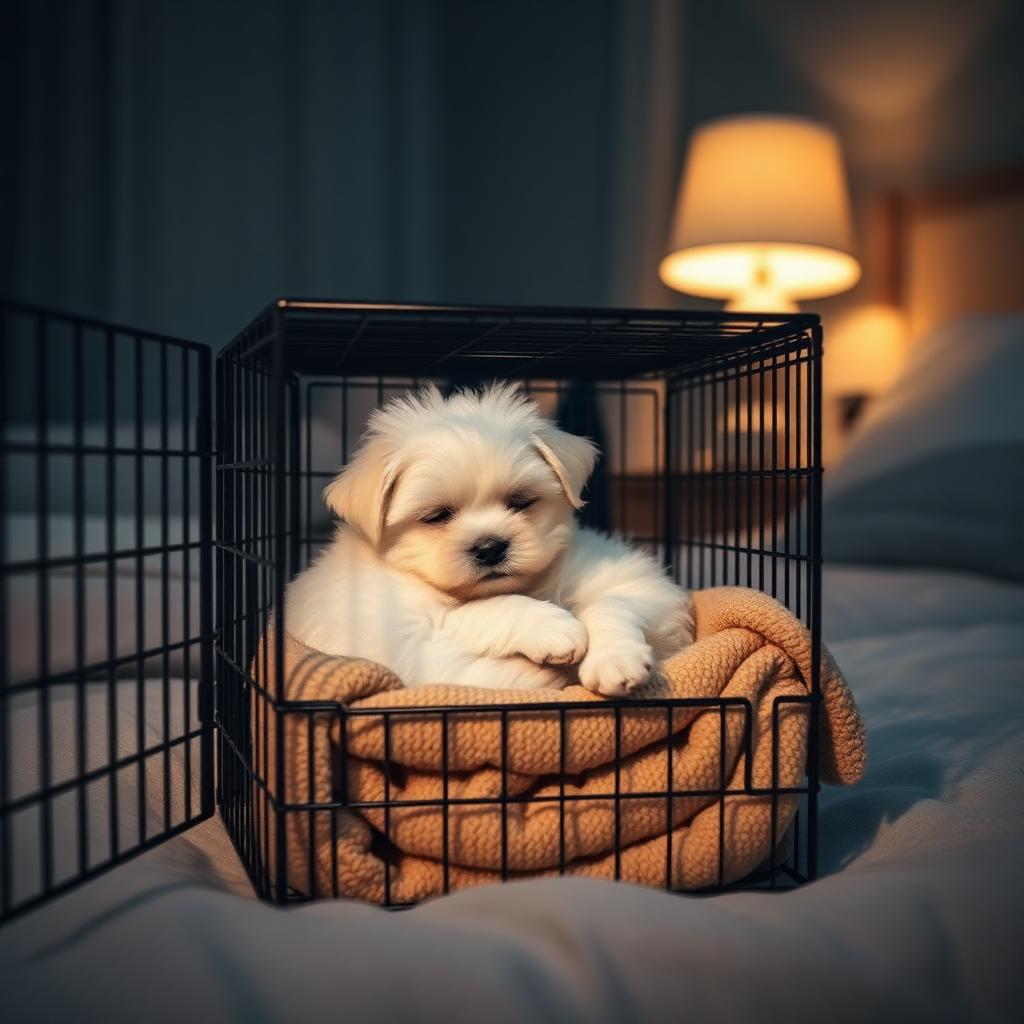
House Training
Crate Training a Puppy Without the Crying: A Step-by-Step, Welfare-First Method
A trainer's gentle, evidence-based protocol for crate training a puppy without distress vocalization. Day-by-day plan included.
11 min read
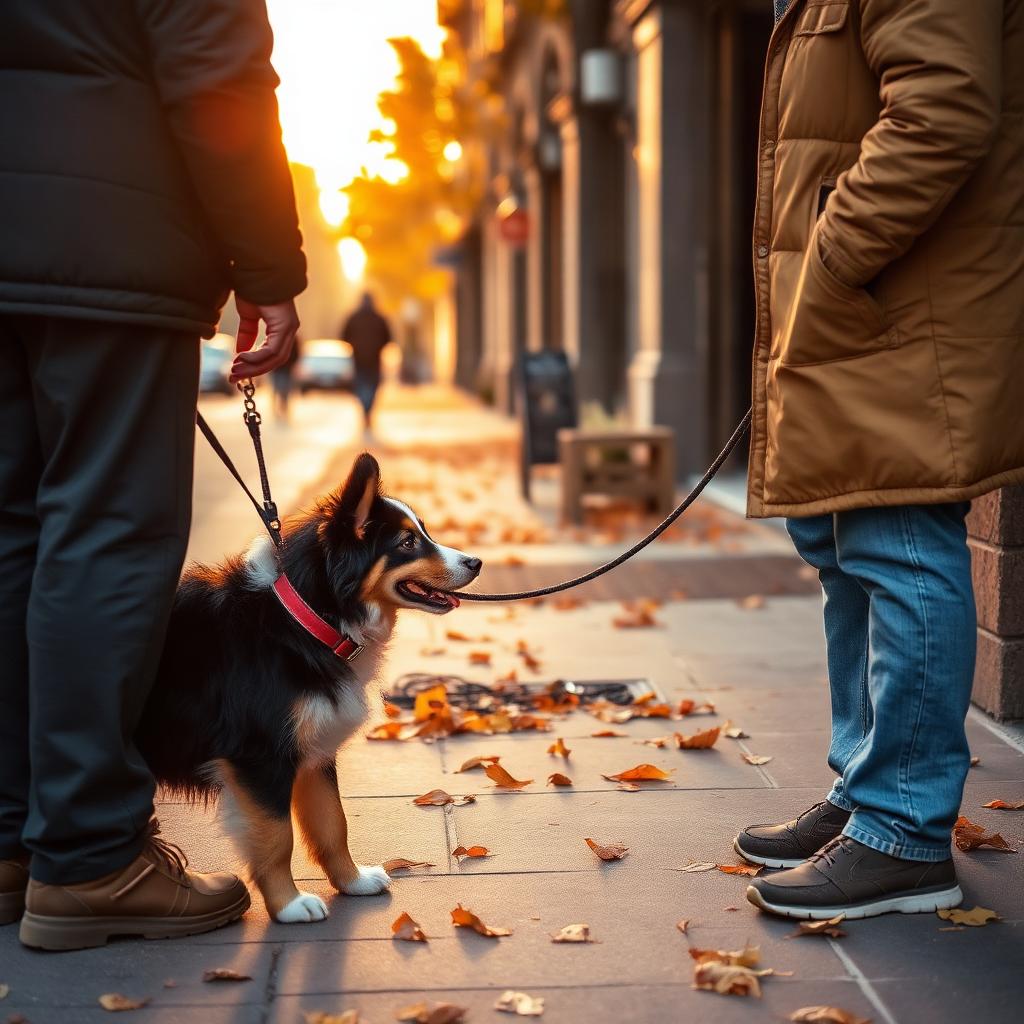
Socialization
The Puppy Socialization Checklist: 14 Categories of Positive Experiences (3–14 Weeks)
A trainer-built socialization checklist for the critical 3–14 week window. People, dogs, surfaces, sounds, and handling — done safely.
12 min read
Obedience Training
Loose-Leash Walking for Puppies: How to Stop the Pulling Before It Starts
A force-free, mechanically simple way to teach a puppy to walk on a loose leash. Equipment, drills, and progression included.
9 min read
Puppy Basics
Puppy-Proofing Your Home: A Trainer's Room-by-Room Checklist
A certified trainer's room-by-room puppy-proofing checklist. Hazards, fixes, and the five things owners forget until something gets chewed.
11 min read
Puppy Basics
The First Night With a New Puppy: A Trainer's Hour-by-Hour Survival Guide
What to actually do on your puppy's first night home — from the 6 p.m. arrival to the 3 a.m. potty trip. A certified trainer's calm, realistic plan.
11 min read

Puppy Health
The Puppy Vaccination Schedule, Explained: What, When, and Why
A plain-English guide to the core puppy vaccine schedule from 6 to 16 weeks, plus optional vaccines and what to expect at the vet.
8 min read
Continue learning
Explore the full The Ultimate Puppy Training Guide
A complete, trainer-reviewed roadmap to puppy training from week 8 through 12 months — foundations, obedience, leash manners, and adolescence.