Hub · Cornerstone guide
The House Training Hub
House training is not a mystery — it's a math problem. Enough supervision, enough frequency, and enough reinforcement, and 90% of puppies are reliably clean by 16 weeks. This hub is the full playbook.
Bladder rule of thumb
Age in months + 1 = hours
8-wk potty trips/day
12–16
Crate size
Stand, turn, lie stretched — no more
Reinforcement window
Reward within 3 seconds of finishing
At-a-glance timeline
- Week 1Every 60–90 min while awake, on leash to the same spot, party after
- Weeks 2–4Predictable cycle: Potty → Play → Train → Nap
- Months 2–4Stretch to 2–3 hours between trips; introduce door signal
- Months 4–6Full overnight without a break; supervised freedom in one room
Setting up for a successful potty week
- One consistent outdoor potty spot (same door, same patch)
- Enzyme cleaner ready for accidents (never ammonia — smells like urine)
- Leash and treat pouch by the door 24/7
- Kitchen timer or phone alarm for every 60–90 minutes
- Correctly sized crate + baby gates for zone management
- Puppy log on the fridge (times of meals, potties, accidents)
The core system
The crate is the single most powerful house-training tool — introduced correctly.
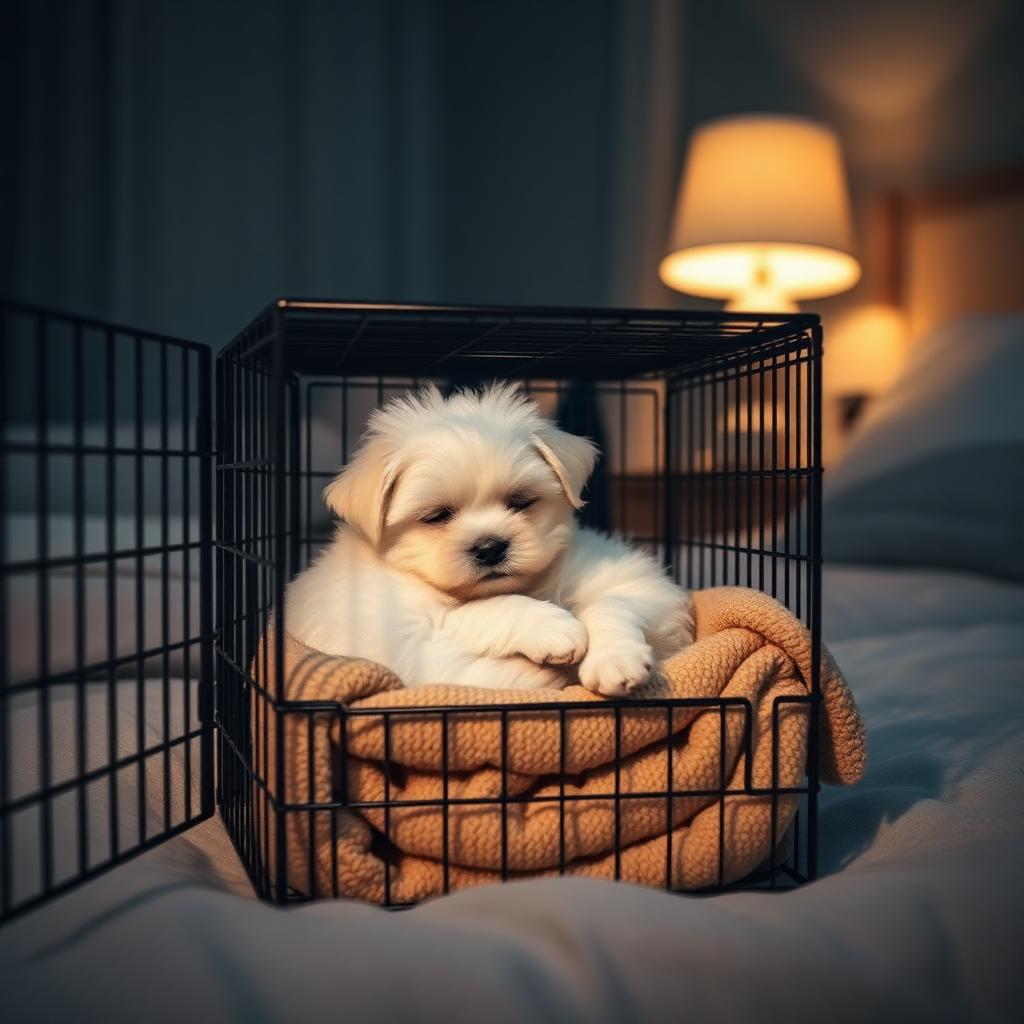 Crate Training a Puppy Without the Crying: A Step-by-Step, Welfare-First MethodA trainer's gentle, evidence-based protocol for crate training a puppy without distress vocalization. Day-by-day plan included.11 min read
 Nighttime Puppy Potty Training Without the CryingTrainer's overnight puppy potty plan: hour-by-hour schedule, crate setup, and the three mistakes that keep owners awake for weeks.11 min read
Setting up the environment
Half of house training is management, not training.
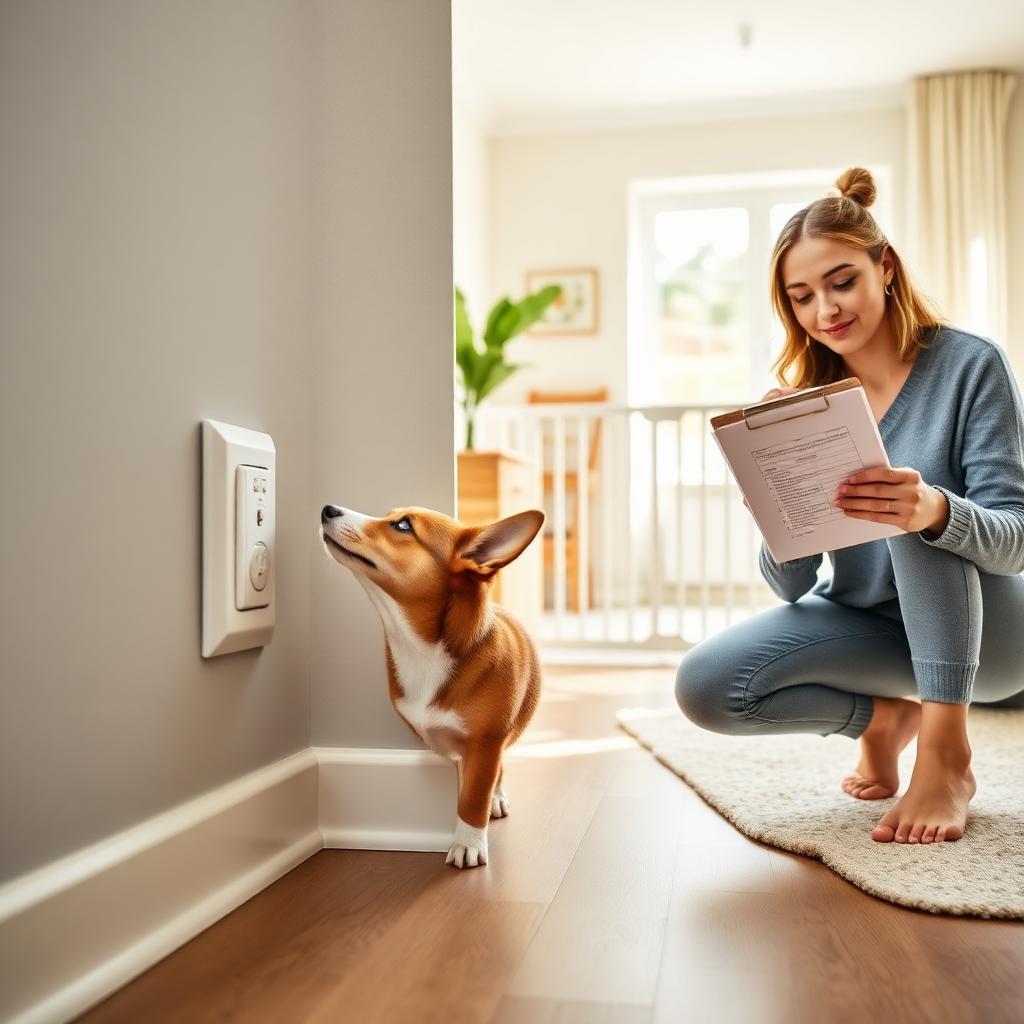 Puppy-Proofing Your Home: A Trainer's Room-by-Room ChecklistA certified trainer's room-by-room puppy-proofing checklist. Hazards, fixes, and the five things owners forget until something gets chewed.11 min read
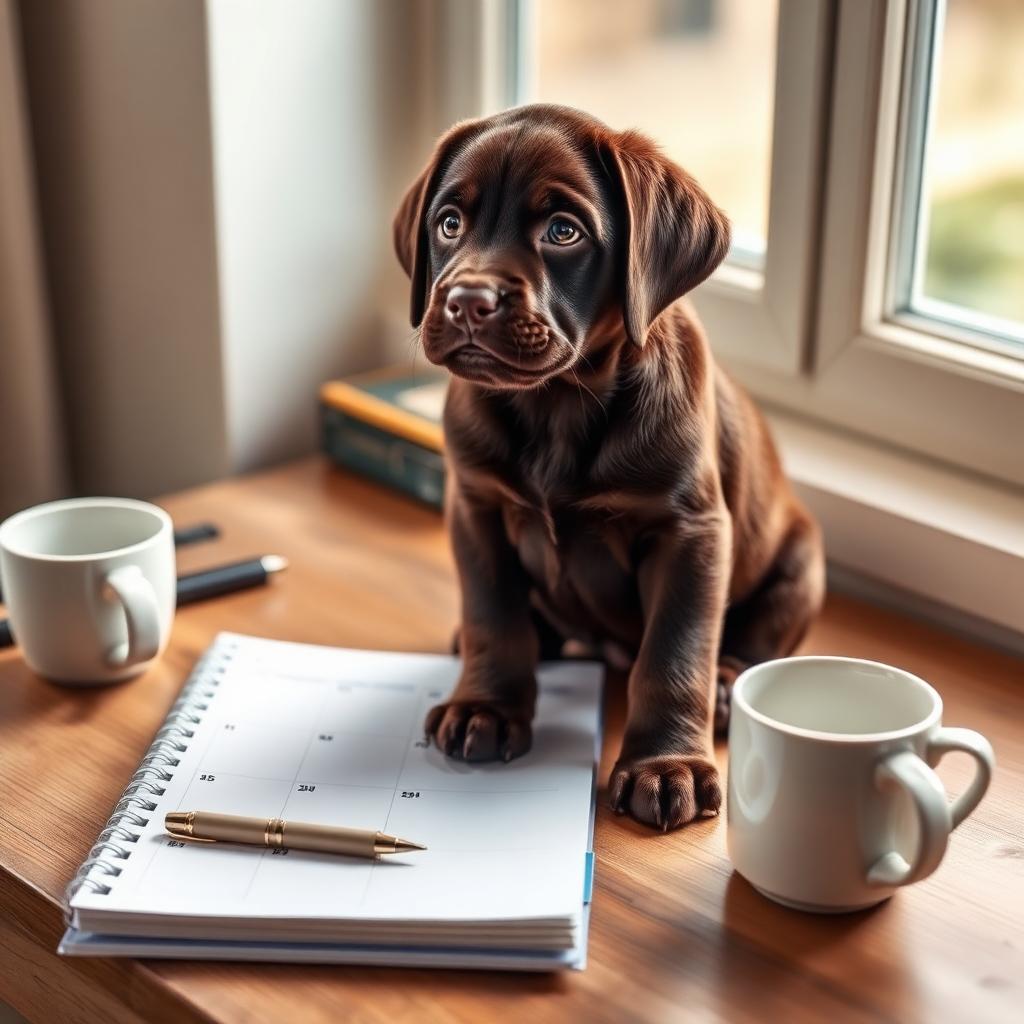 The Puppy Training Schedule: A Calm, Repeatable Plan for Your First 30 DaysA trainer-built, day-by-day puppy training schedule for the first month. Routines, potty timing, naps, socialization, and what to skip.14 min read
Troubleshooting
Regressions, submissive urination, and the 4-month setback almost every family hits.
Interactive tools for this hub
Use alongside these articles
Frequently asked
- Why is my puppy peeing right after coming inside?
- Usually because they were distracted outside and never fully emptied. Stay outside longer, keep the leash on so it feels like a job, and reward within three seconds of finishing.
- Should I use puppy pads?
- Only if you have no realistic outdoor access (high-rise, mobility limits). Pads teach the puppy that indoors is OK, which becomes a hard habit to unlearn later.
- How do I clean an accident?
- Enzymatic cleaner (Nature's Miracle, Rocco & Roxie) — never ammonia-based products. Regular cleaners leave odor markers that invite repeat accidents in the same spot.
Continue learning
Related hubs
The Ultimate Puppy Training Guide
A complete, trainer-reviewed roadmap to puppy training from week 8 through 12 months — foundations, obedience, leash manners, and adolescence.
Enter hubThe Puppy Behavior Hub
Behaviorist-reviewed hub covering normal puppy behavior, fear periods, adolescence, nipping, and when a behavior warrants a professional.
Enter hub