Nutrition & Feeding
The Puppy Training Treats Guide: Calories, Value, and What to Use When
Ask ten trainers what to use as a training treat and you'll get nine answers and a lecture. The truth is boring: what you use matters far less than how you use it. Pea-sized, soft, delivered in the right sequence, at the right value for the difficulty of the task — that's the entire framework. Everything else is a preference. This guide walks through the calorie math, the value hierarchy trainers actually use, and the small handful of things that genuinely don't belong in a treat pouch.

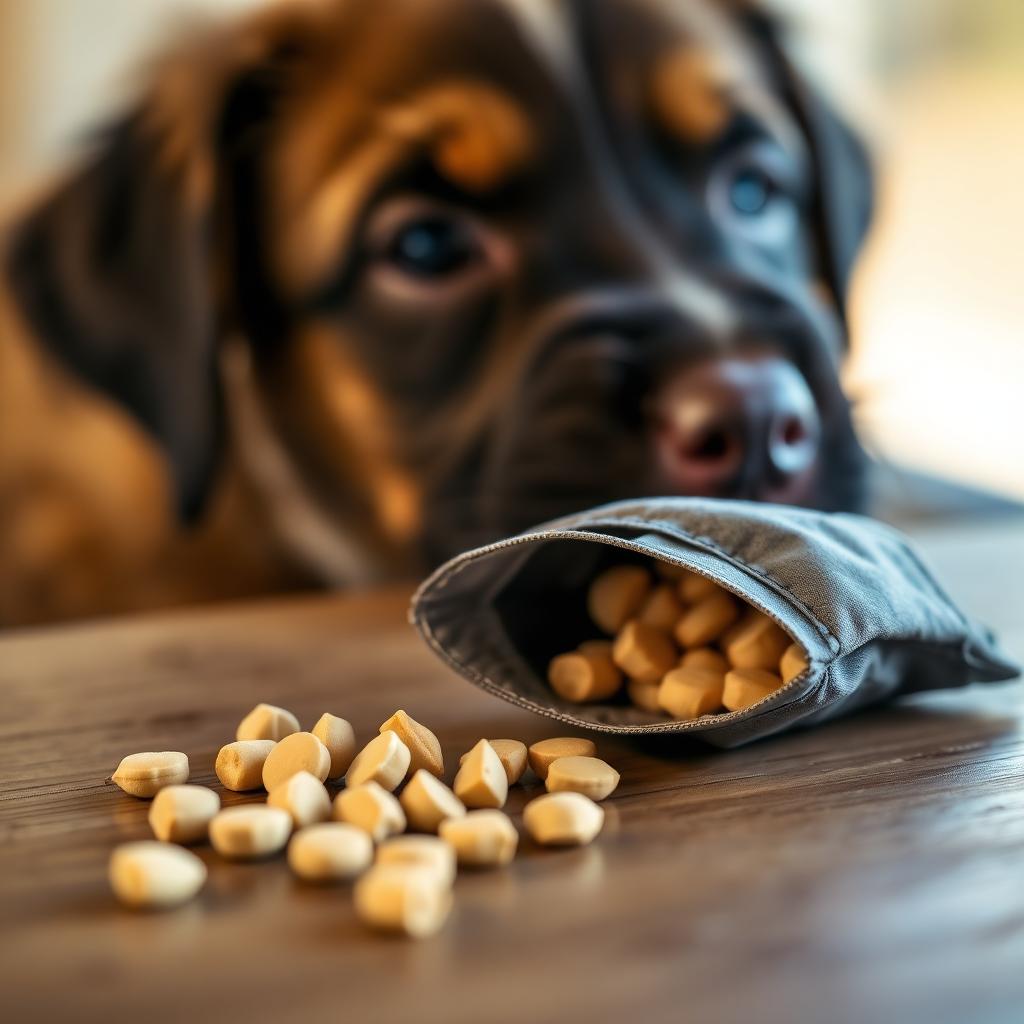
The 10% calorie rule
Treats should account for no more than 10% of a puppy's daily caloric intake. That number is not a moral rule — it's the point at which the base diet stops being nutritionally complete, because treats are almost universally unbalanced. For a 15-pound puppy eating roughly 700 kcal per day, that means 70 kcal in treats. That sounds like plenty until you realize a single commercial soft training treat is often 3–5 kcal, and a productive training day involves 30–60 reps.
The workaround experienced trainers use is not smaller-treat guilt — it's using the puppy's own kibble as the currency for easy behaviors. Measure out the day's food into a container each morning. Anything you feed from your hand during training comes from that container; anything left at the end of the day gets served in the bowl. You get unlimited reps without touching the treat budget. Save actual treats for the hard reps.
Low-, medium-, and high-value treats
Every trainer runs a three-tier hierarchy. The reward has to be proportional to the ask.
- Low value (kibble, dry biscuits): used for known behaviors in familiar environments. Living-room sits, warm-up recalls, marker-charging games.
- Medium value (soft commercial training treats, freeze-dried liver bits): used for newly learned behaviors or the same behavior in mildly distracting environments. Sidewalk sits, front-yard recalls.
- High value (cooked chicken, cheese cubes, small pieces of hot dog, freeze-dried salmon): used sparingly for hard reps — first time in a new location, recall away from another dog, working through a fear moment. If you use high-value for every rep, you have no leverage left for the moments you actually need it.
Rotating value keeps the game interesting
Puppies habituate to any single reinforcer. Rotating even within a tier — three different medium-value treats across a week — keeps the pouch surprising. Predictability of the schedule matters; predictability of the specific treat does not.
Sizing and delivery
Aim for pea-sized. Bigger treats slow the reinforcement rate, and reinforcement rate is the single biggest predictor of session quality. If you can get three or four rewards in the same 30 seconds it takes to chew one large biscuit, you are training four times faster with better data density.
How you deliver matters
Deliver to the position you want to reinforce. Rewarding a sit at nose height keeps the puppy sitting; dropping the treat on the floor teaches them to break the sit to find it. For down, deliver between the front paws on the floor. For loose-leash walking, deliver to the outside of your left thigh so the puppy stops orbiting your legs. This is the invisible half of treat mechanics.
Homemade options that actually work
- Boiled chicken breast, torn into pea-sized pieces. Low fat, high value. Keeps 3–4 days in the fridge.
- Dehydrated liver or heart, cut into small squares. Extremely high value; use sparingly.
- Small cubes of low-sodium string cheese. Great for cold-weather sessions; watch for lactose sensitivity.
- Baked sweet-potato coins (pea-sized). Novelty and fiber, low calorie.
What to actually avoid
The 'do not feed' list is short, but strict.
- Grapes, raisins, and currants — toxic to dogs regardless of size.
- Xylitol-containing anything — includes many peanut butters, sugar-free gum, and baked goods. Extremely dangerous.
- Onions, garlic, chives, leeks — cumulative red blood cell damage.
- Cooked bones — splinter risk.
- Anything cooked in oil, butter, or heavily seasoned — pancreatitis risk, especially for terriers and schnauzers.
- Rawhide chews for very young puppies — choking and blockage risk.
For a comprehensive list including household hazards beyond treats, see the room-by-room puppy-proofing checklist. Once you've built a solid treat rotation, use them inside the actual training structure in our marker-training and impulse-control guides.
Key takeaways
- Cap treats at 10% of daily calories. Use kibble for easy reps to protect the budget.
- Run a three-tier value hierarchy and match reward to difficulty.
- Pea-sized, soft, and delivered to the position you want to reinforce.
- Rotate treats to prevent habituation.
- Refusing treats outdoors is a stress signal, not stubbornness.
Frequently asked questions
- How many treats can my puppy have per day?
- Up to 10% of daily calories from treats. For most young puppies that's 30–60 pea-sized rewards, though using kibble for easy behaviors effectively raises the reinforcement rate without touching the treat budget.
- Are freeze-dried treats safe for puppies?
- Freeze-dried single-ingredient treats (liver, chicken, salmon) are generally excellent for training. Avoid products with added salt, sugar, or preservatives.
- Can I use peanut butter as a training treat?
- Only after verifying it contains no xylitol. Even xylitol-free, peanut butter is calorie-dense and messy — save it for lick mats or Kong-style enrichment rather than training reps.
- What if my puppy doesn't take treats when we're outside?
- Almost always a stress signal — the environment is too intense for the puppy's current threshold. Back up to a calmer spot, work at lower intensity, and try again another day. Never force treats.
Keep reading

Puppy Basics
Puppy-Proofing Your Home: A Trainer's Room-by-Room Checklist
A certified trainer's room-by-room puppy-proofing checklist. Hazards, fixes, and the five things owners forget until something gets chewed.
11 min read
Obedience Training
How to Teach a Puppy Sit, Down, and Stay: The Complete Foundation Guide
A certified trainer's step-by-step protocol for teaching sit, down, and stay to a puppy — with luring, marker timing, duration ladders, and common mistakes.
14 min read
Obedience Training
Clicker Training vs. Verbal Marker: Which One Should You Use With Your Puppy?
A CPDT-KA trainer compares clicker training and verbal markers for puppies — timing, mechanics, pros and cons, and how to switch between them.
12 min read
Obedience Training
Puppy Impulse Control Games: 8 Trainer-Approved Exercises for a Thinking Dog
Eight impulse-control games a certified trainer uses to teach puppies to pause, think, and choose calm — from Doggy Zen to the Premack pattern.
12 min read
Nutrition & Feeding
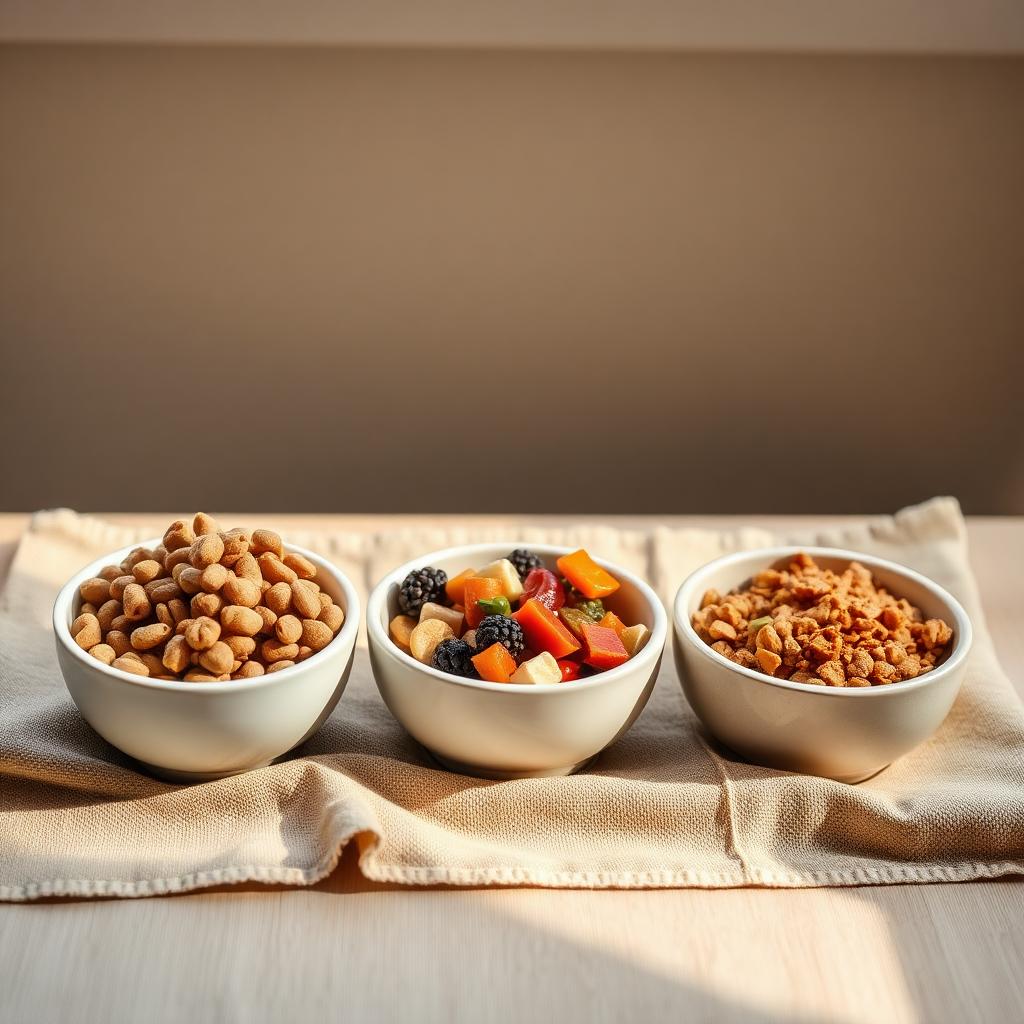
Raw vs. Kibble vs. Fresh Puppy Food: A Vet-Reviewed Comparison
How raw, kibble, and gently cooked fresh diets actually compare for puppies — safety, nutrient balance, cost, and what most veterinary boards recommend.
15 min read
Nutrition & Feeding
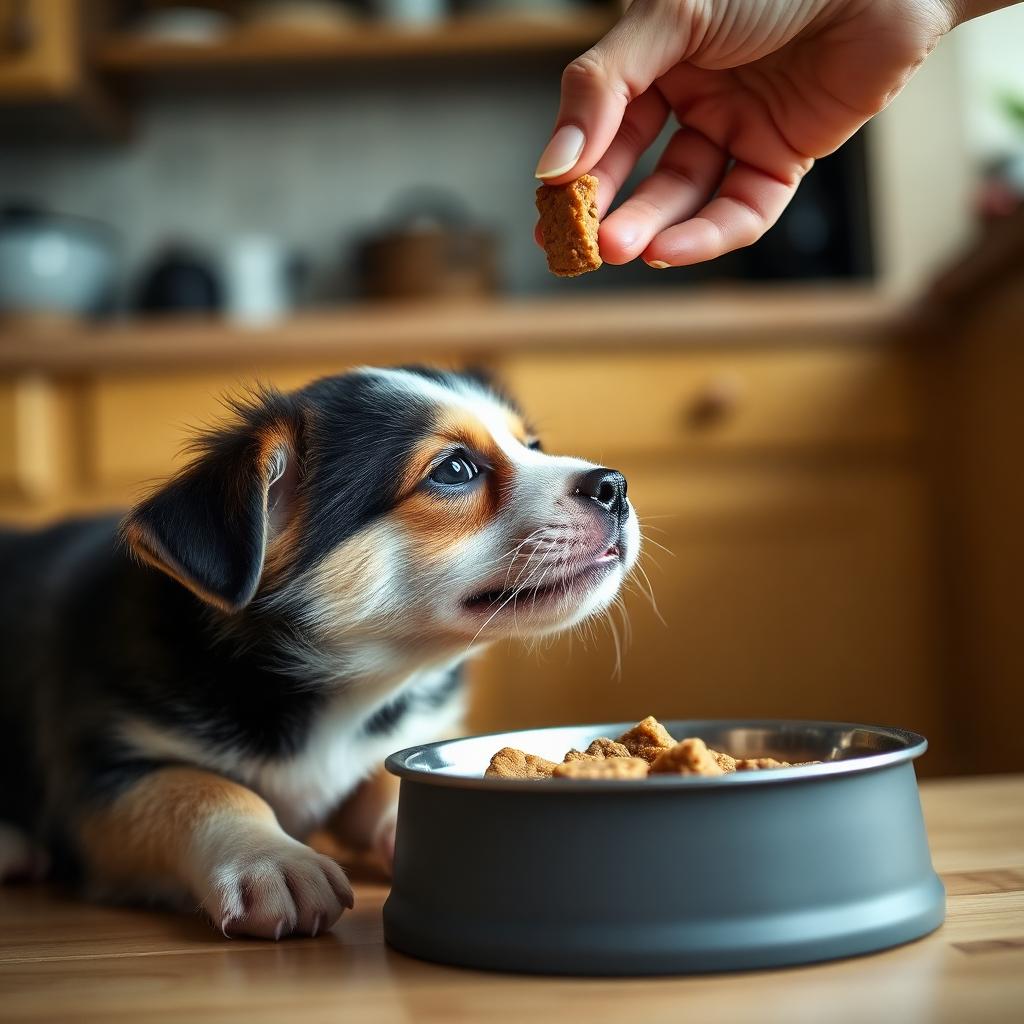
How to Prevent Food-Bowl Resource Guarding in Puppies
A step-by-step, positive-reinforcement protocol to prevent food-bowl resource guarding in puppies — plus the classic mistakes that create it.
13 min read
Continue learning
Explore the full The Complete Puppy Nutrition Guide
Vet-reviewed guide to feeding puppies from 8 weeks to adulthood: choosing food, portion sizes by breed, treats, and transitioning to adult food.