Obedience Training
Puppy Impulse Control Games: 8 Trainer-Approved Exercises for a Thinking Dog
Impulse control is the invisible skill behind every calm dog you envy in the coffee shop. It isn't obedience — it's the ability to pause, think, and choose the harder behavior when instinct says to lunge. In puppies, it's a muscle we grow through short, deliberate games, not through corrections. The eight games below are ones I run in every puppy class I teach; together they cover food, doors, greetings, toys, and human touch. Roll one into your daily rhythm and you'll see the difference in about ten days.

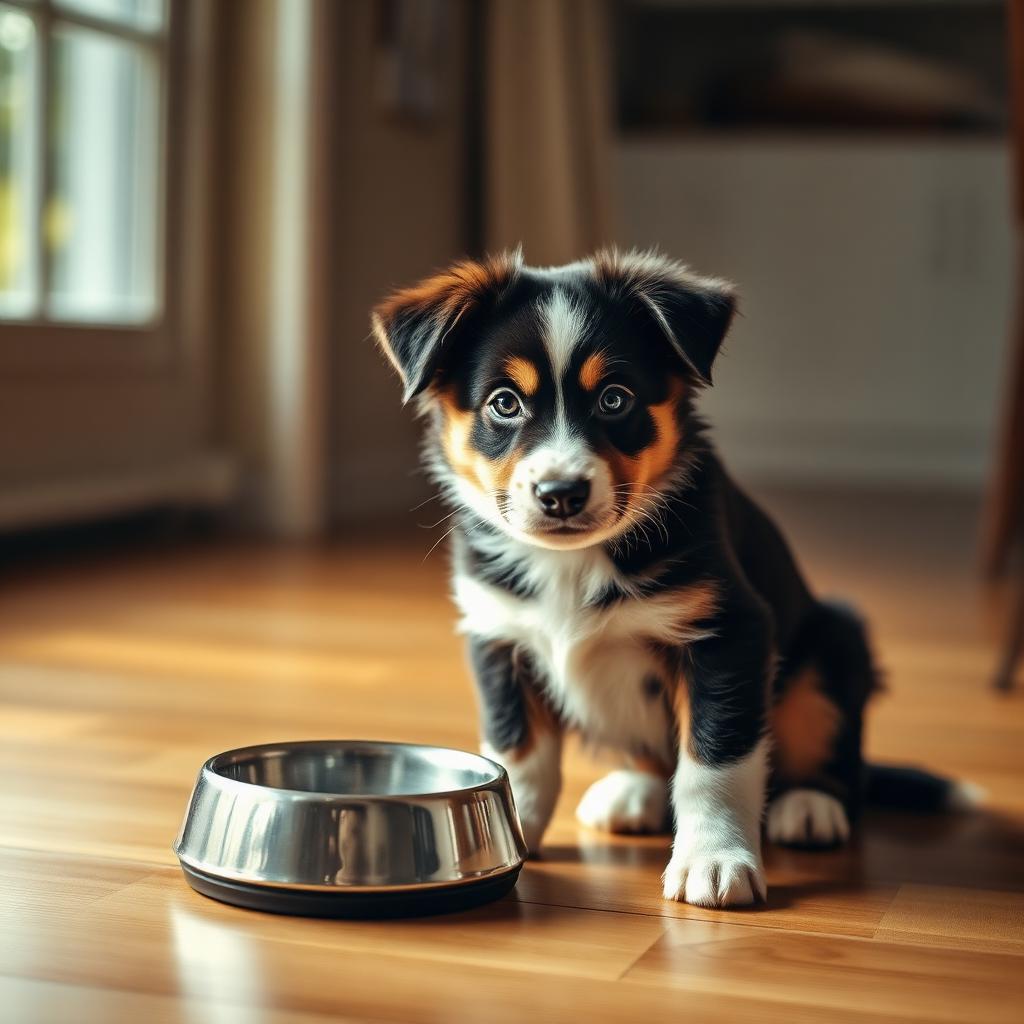
What impulse control actually is
Behaviorally, impulse control is the ability to inhibit a prepotent (highly rewarding, automatic) response in favor of a delayed or trained one. In puppies, prepotent responses include chasing, grabbing food off the counter, lunging at another dog, and jumping on visitors. Impulse-control training isn't about suppressing those drives; it's about giving the puppy a fluent alternative behavior and paying that alternative better than the impulse.
Each of the games below trains a specific slice of impulse control. Rotate them — one or two per session — and you're building a generalizable capacity, not just a party trick. Pair these with the marker system from the clicker-versus-verbal-marker guide for cleaner timing.
1. Doggy Zen: the foundation game
Hold a treat in your closed fist at puppy nose height. The puppy will lick, paw, and mouth. Wait. The moment they back off, even by half an inch, mark and pay from your other hand. In one session, most puppies figure out that ignoring the fist is what earns the food. This is the first taste of 'the thing you want most is behind the thing you're not doing yet.'
2. Look at That (LAT)
For puppies who lose their minds at another dog across the street. Stand at a distance where your puppy notices the trigger but isn't fully engaged. Every glance at the trigger, mark and pay. Within two or three sessions, most puppies will spot a distraction and voluntarily whip their head back to you. It's the single best game for building leash calm — see the loose-leash walking guide for how to integrate it.
3. The Sit-for-Everything protocol
For 30 days, the puppy sits before every good thing: meals, doors opened, leash clipped on, toys thrown, laps entered. You aren't drilling sit — you're teaching the puppy that a polite sit is the universal currency for access. Nothing free, ever. It sounds strict; in practice, it's easier than the alternative of a permanently pushy dog.
4. Wait at the door
Put a hand on the doorknob. If the puppy holds still, crack the door an inch. If they lunge, close it. Repeat. Most puppies figure out within four sessions that stillness opens the door and movement closes it. Only release with a specific word ('okay') — never let them decide the door is open. This is the game that keeps a young dog from bolting into the street.
5. It's Your Choice (Susan Garrett's classic)
Place a treat on your open palm at floor level. If the puppy dives for it, close your fist. If they hesitate, mark and pay from your other hand. Progress to placing the treat on the floor with your hand hovering over it, then on the floor with no hand at all. By the end, the puppy is walking past a treat on the floor and looking at you for permission.
6. The Premack pattern
Premack's principle says a high-probability behavior can reinforce a low-probability one. In practice: ask for a sit before releasing the puppy to sniff a fascinating patch of grass. The sniff itself is the reward. This game builds impulse control in the wild, where treats can't compete with the environment. It's the biggest unlock most owners have never heard of.
7. Tug with rules
Tug isn't the villain some old training books made it out to be — it's a phenomenal impulse-control game if you add rules. Rule one: the tug only comes out when you say a start cue ('get it'). Rule two: the puppy releases on 'drop' (trade for a treat until fluent). Rule three: the game pauses if teeth touch skin. Puppies who learn tug-with-rules learn to modulate arousal on cue — a rare and valuable skill.
8. Mat magnet
The mat is a location where calm is the default. Scatter three treats on a small mat and wait. When the puppy steps on, mark and pay on the mat. Repeat until they seek the mat unprompted, then start rewarding lying-down positions and progressively longer settles. This is the foundation of the place command we cover in depth in the place-command guide.
How to combine the games into a weekly plan
- Monday: Doggy Zen + It's Your Choice (5 min each).
- Tuesday: Sit-for-Everything all day + Mat magnet (5 min).
- Wednesday: Wait at the door + Tug with rules (5 min each).
- Thursday: Look at That on a real walk (10 min).
- Friday: Premack pattern on a walk (10 min).
- Saturday: Rotate three of your puppy's weakest games (15 min total).
- Sunday: Rest day. Free play, cuddles, and a nap-heavy schedule.
Impulse control is not a one-week fix; it's a nine-to-fifteen-month build that compounds. The puppy you start these games with at 10 weeks becomes the calm adolescent your neighbors comment on at 8 months. Consistency, not intensity, is the trick.
Key takeaways
- Impulse control is a trained capacity, not a personality trait.
- Doggy Zen is the foundation; every other game builds on 'not-grabbing pays.'
- Rotate games weekly to build a generalizable skill rather than a party trick.
- The Premack pattern is the biggest unlock most owners have never used.
- Consistency across 9–15 months beats intensity across two weeks.
Frequently asked questions
- At what age can I start impulse control games?
- As young as 8 weeks. All eight games above have age-appropriate versions for puppies from the day they come home; you just keep sessions to 2–4 minutes at that age.
- Which impulse control game should I start with first?
- Doggy Zen. It's the fastest way to introduce the concept 'not-grabbing earns the treat,' and every other game in the list builds on that insight.
- How long until I see results?
- Most owners see visible progress within 10–14 days of daily practice. Deeper reliability around big distractions takes 3–6 months.
- Is tug of war really okay for puppies?
- Yes, with rules. Tug is a proven impulse-control game and does not cause aggression when a start cue, a release cue, and a no-teeth rule are consistently enforced.
- My puppy fails 'It's Your Choice' every time — what am I doing wrong?
- You're probably starting too hard. Begin with the treat in a closed fist, not on an open palm. Progress only when the puppy is scoring 8 out of 10 reps at the current step.
Interactive tools
Use with this guide
Keep reading
Obedience Training
Loose-Leash Walking for Puppies: How to Stop the Pulling Before It Starts
A force-free, mechanically simple way to teach a puppy to walk on a loose leash. Equipment, drills, and progression included.
9 min read
Obedience Training
How to Teach a Puppy the 'Place' Command (Settle on a Mat)
A step-by-step guide to teaching the 'place' command so your puppy settles calmly on a mat — even during dinner, doorbells, and Zoom calls.
10 min read
Obedience Training
How to Teach a Puppy Sit, Down, and Stay: The Complete Foundation Guide
A certified trainer's step-by-step protocol for teaching sit, down, and stay to a puppy — with luring, marker timing, duration ladders, and common mistakes.
14 min read
Obedience Training
Clicker Training vs. Verbal Marker: Which One Should You Use With Your Puppy?
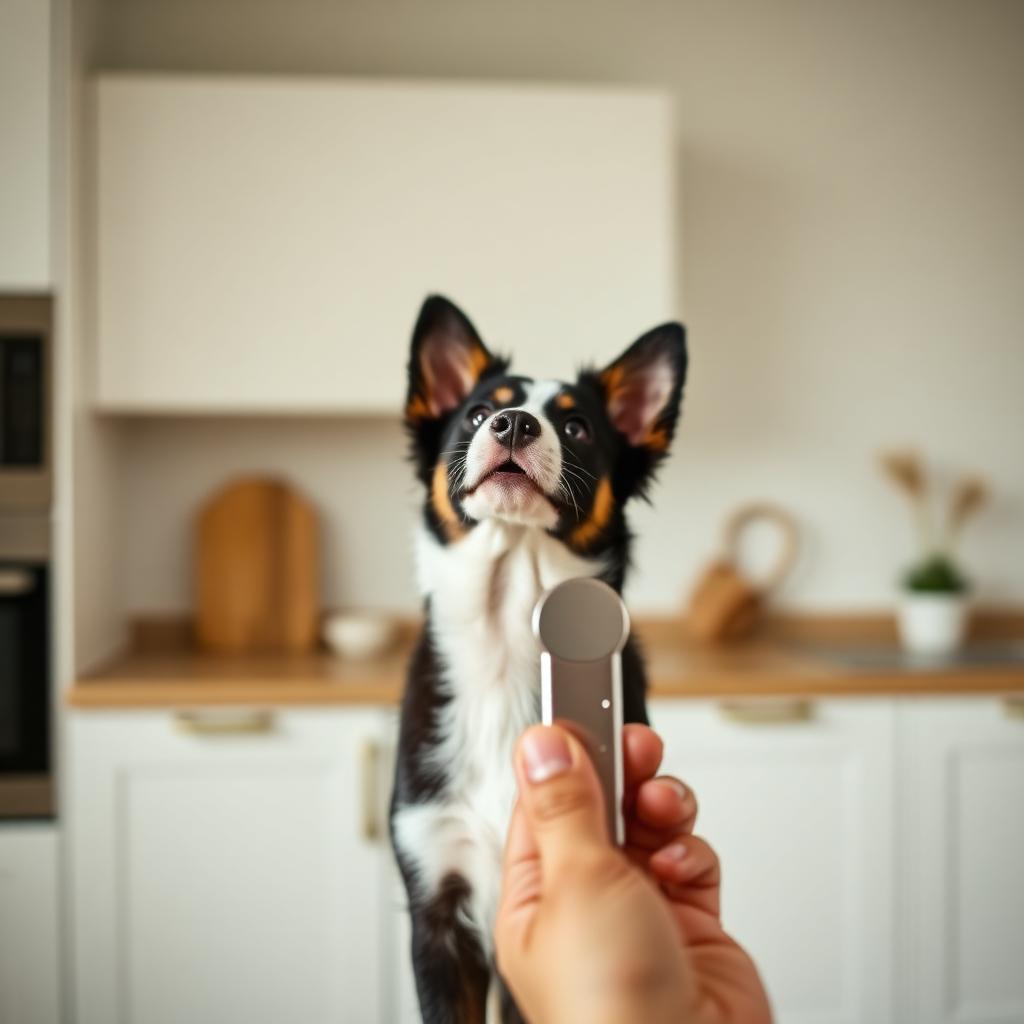
A CPDT-KA trainer compares clicker training and verbal markers for puppies — timing, mechanics, pros and cons, and how to switch between them.
12 min read
Obedience Training
How to Stop a Puppy From Biting Hands: A Bite Inhibition Protocol That Actually Works
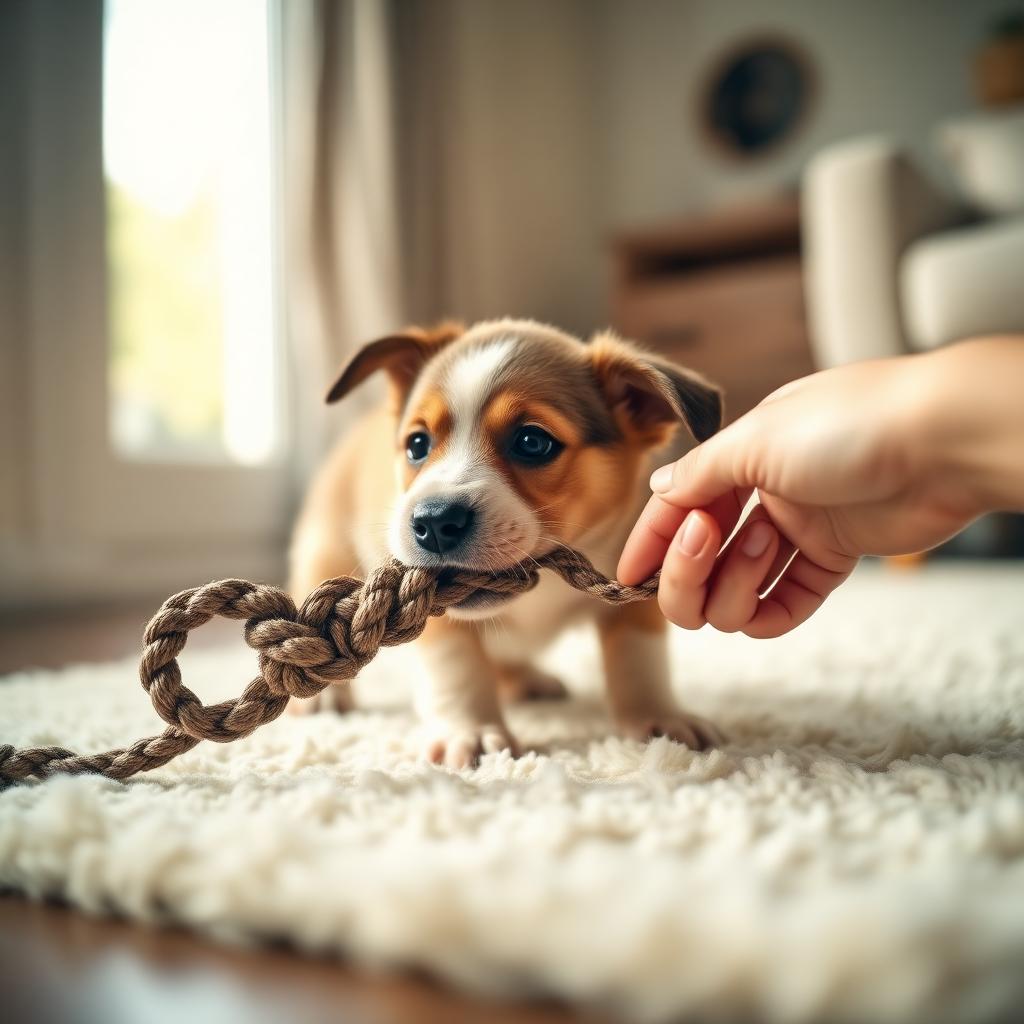
A certified trainer's evidence-based protocol for stopping puppy biting. Bite inhibition, redirection, arousal management, and what not to do.
13 min read
Obedience Training
How to Teach a Puppy 'Leave It' and 'Drop It': A Two-Cue Safety Protocol
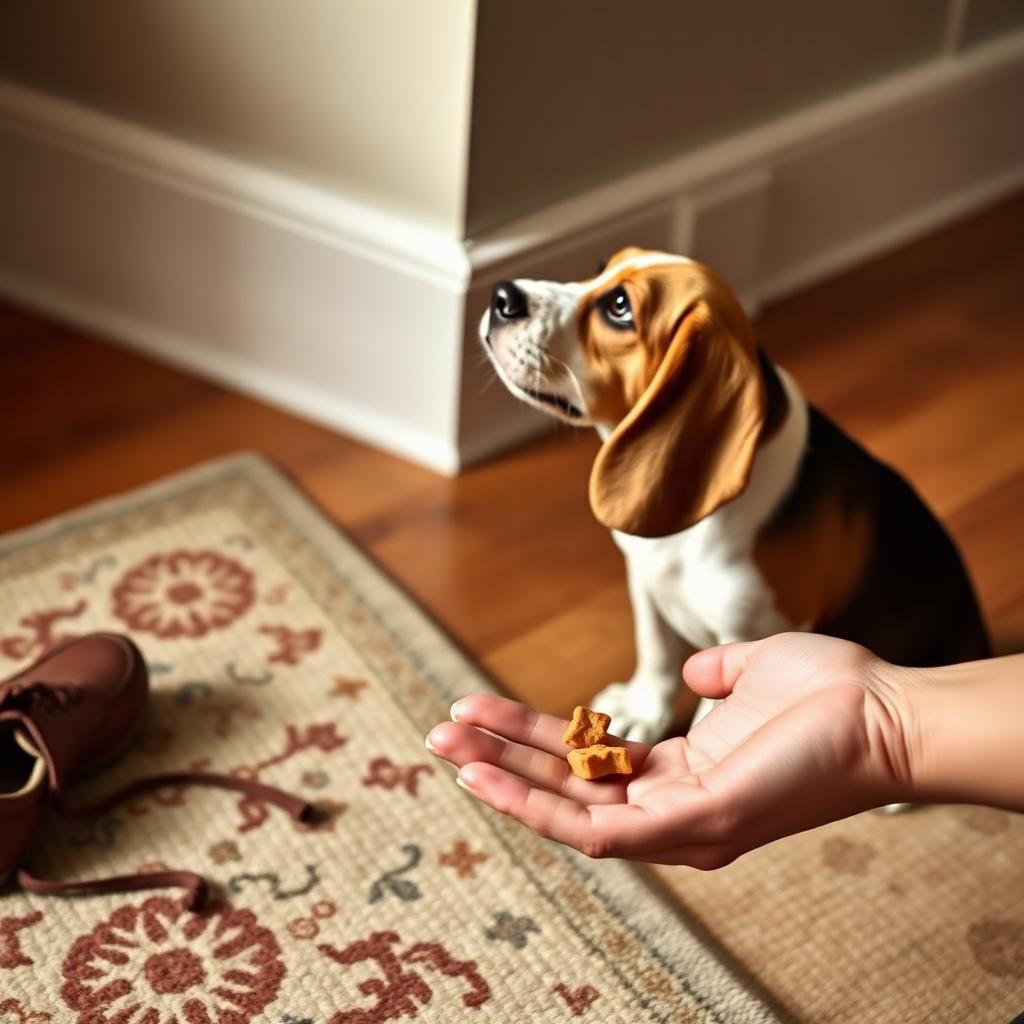
A CPDT-KA trainer's step-by-step protocol for teaching leave it and drop it — the two cues that keep a puppy safe from sidewalk hazards and chewed shoes.
12 min read
Continue learning
Explore the full The Ultimate Puppy Training Guide
A complete, trainer-reviewed roadmap to puppy training from week 8 through 12 months — foundations, obedience, leash manners, and adolescence.