Nutrition & Feeding
How to Prevent Food-Bowl Resource Guarding in Puppies
The advice that produces the most food-bowl guarding is the advice that sounds strictest: 'put your hand in their bowl so they know you're the boss.' It is one of the few pieces of old-school training that actively creates the behavior it claims to prevent. Modern behavior science flipped the frame — instead of teaching a puppy to tolerate a threat to their food, we teach them that a human near the bowl means the food gets better. Done consistently in the first sixteen weeks, the guarding response never installs in the first place. Done as a repair job after the fact, it still works — it just takes longer.

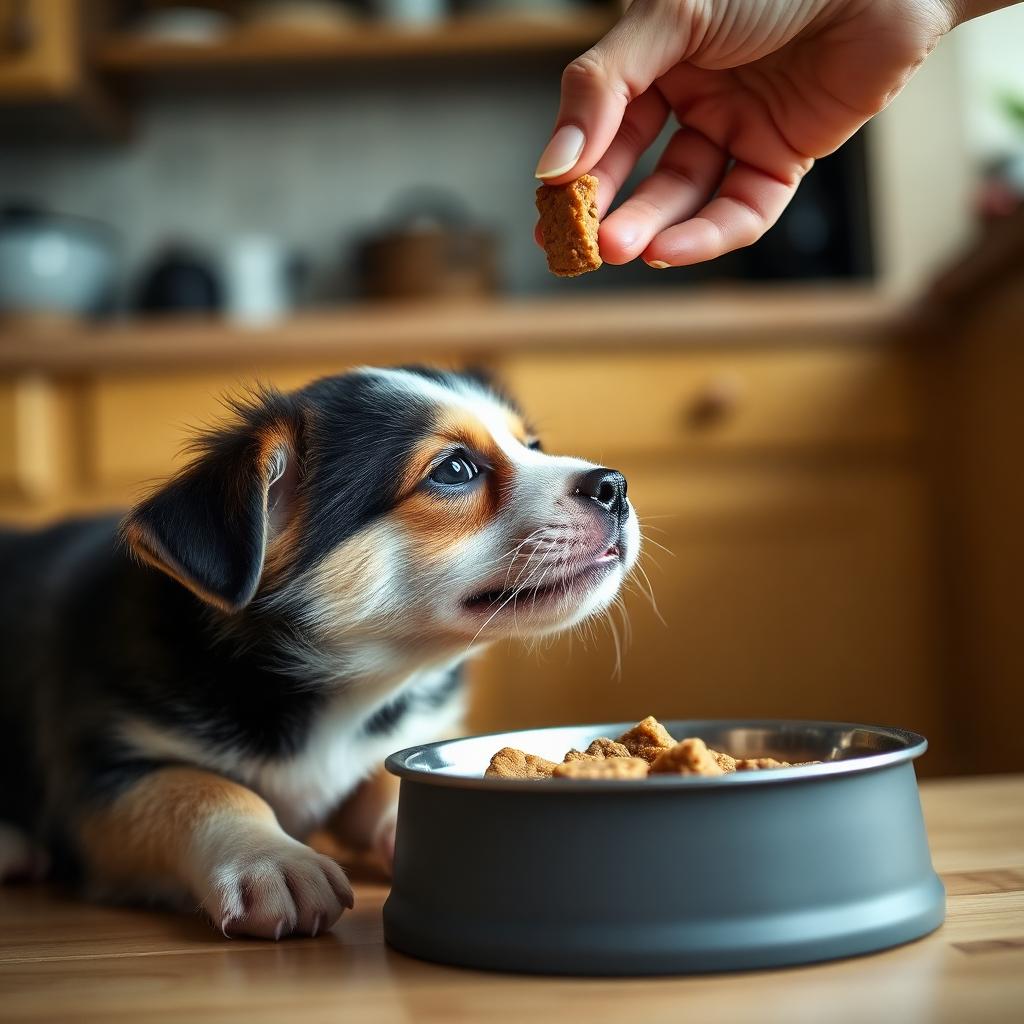
What resource guarding actually is
Resource guarding is a normal, adaptive behavior in dogs — a stiff body over a bone, a flat ear as another dog walks by, a quiet growl when a hand reaches into the bowl. It is not aggression; it is communication. The problem is that the communication tends to escalate when it's punished or ignored. A puppy who gets scolded for growling once often skips the growl next time and goes straight to a snap. Prevention isn't about extinguishing the emotion, it's about changing the underlying prediction: 'a hand near my bowl means good things are about to happen.'
The window matters. Puppies under sixteen weeks form emotional predictions faster than they will at any other point in their lives. Four weeks of daily bowl-work between 8 and 16 weeks is worth more than four months of it at eighteen months. This is the same critical-period principle that drives our socialization checklist.
The 4-week prevention protocol
Week 1 — approach = treat rain
For the first week, do nothing to the bowl itself. During every meal, walk past the puppy at a comfortable distance and toss one high-value treat (a pea-sized piece of chicken, cheese, or freeze-dried liver) into the bowl. Keep walking. That's it. You are teaching the puppy that a human-shaped shadow moving nearby predicts a jackpot in the bowl, not a threat. Do this three or four times per meal for seven days.
Week 2 — pause and pay
Now walk up to the bowl, pause for one second at a distance the puppy is fully relaxed at (usually two to three feet), toss the treat in, and walk away. Watch the puppy's body: soft eyes, wagging tail, no freezing. If you see any stillness or a hard look, back up six inches and stay there for the rest of the week. Never crowd the bowl this week.
Week 3 — hand delivers the upgrade
Approach the bowl and, without taking anything out, drop a piece of chicken directly into it from your hand. Walk away. Repeat once or twice per meal. The critical change here is that the puppy sees your hand entering their space and something better arriving — not their food disappearing. Do not stick your hand into the food. You are adding, not testing.
Week 4 — the swap game
Pick up the empty bowl during meals when the puppy has just finished the last kibble, and immediately return it with two or three fresh pieces. Progress to picking it up mid-meal (once every third meal, not every meal) and returning it with upgraded contents. This is the behavior that generalizes to the biggest real-world scenario: when you need to take something away, the puppy has been trained that giving up an item is the fastest path to a better item.
Mistakes that create guarding
- Putting your hand in the bowl 'to show the puppy who's in charge.' This teaches the puppy that hands take food away.
- Taking the bowl away mid-meal without returning something better. Same lesson.
- Feeding all meals from a bowl on the floor, in one spot, with no context variation. A puppy who has only ever eaten in one location often guards that location.
- Punishing a growl. The growl is the honest warning label. Silencing it doesn't change the underlying feeling — it just removes the warning.
- Letting a child, another dog, or another adult startle the puppy at the bowl. Every scary approach counts against your bank of neutral approaches.
If your puppy is already guarding
Freeze the situation while you rebuild. Feed the puppy behind a baby gate or in an exercise pen for a week — no one approaches the bowl, no one hovers, no one 'tests.' Then restart the four-week prevention protocol from week one, but at whatever distance keeps the puppy fully relaxed, even if that is across the room. Progress is measured in body language, not in proximity: soft eyes, wag, lifted head to check the hand mean you can move a foot closer. Any stiffness means you're too close. If growling has already escalated to snapping or if you have children in the household, book a session with a certified professional behaviorist rather than working this alone — our editorial team page lists the credentials to look for.
Kids around the bowl
The single largest source of preventable puppy bites in the home is a child approaching a dog's food. Even a well-socialized adult dog rarely enjoys being crowded at meals; a puppy still building predictions is fragile. Rule for the household: children never approach the bowl. Ever. If a family member wants to hand-deliver treats, they do it at a distance under adult supervision, and only after the puppy has completed the four-week protocol. Our guide to introducing a puppy to children walks through the broader script.
Key takeaways
- Prevention is easier than repair. Do the four-week protocol between 8 and 16 weeks if possible.
- The core mechanic is 'human near bowl = food gets better,' not 'human near bowl = food gets tested.'
- Never punish a growl. Change the underlying prediction.
- Children never approach the food bowl. Ever.
- Snapping, bite history, or children in the household means bring in a certified behaviorist.
Frequently asked questions
- Is growling at the bowl a red flag?
- It is a communication signal, not automatically a red flag — but it's the point where the prevention protocol becomes rehabilitation, not prevention. Stop free-approaching the bowl and restart at week one distance.
- Should I hand-feed my puppy?
- Occasional hand-feeding during training sessions is fine and helpful. Replacing bowl feeding entirely with hand-feeding is unnecessary and can create dependency on your presence to eat.
- Does resource guarding go away on its own?
- No. Left alone, it typically escalates because the puppy's warnings work — humans back off, which reinforces the guarding. Early intervention is the strongest predictor of a good outcome.
- Can I do this with a rescue puppy of unknown history?
- Yes, but start at greater distance and progress more slowly. Consider a professional consult if you see any freezing, hard eye, or growl in the first assessment.
Keep reading
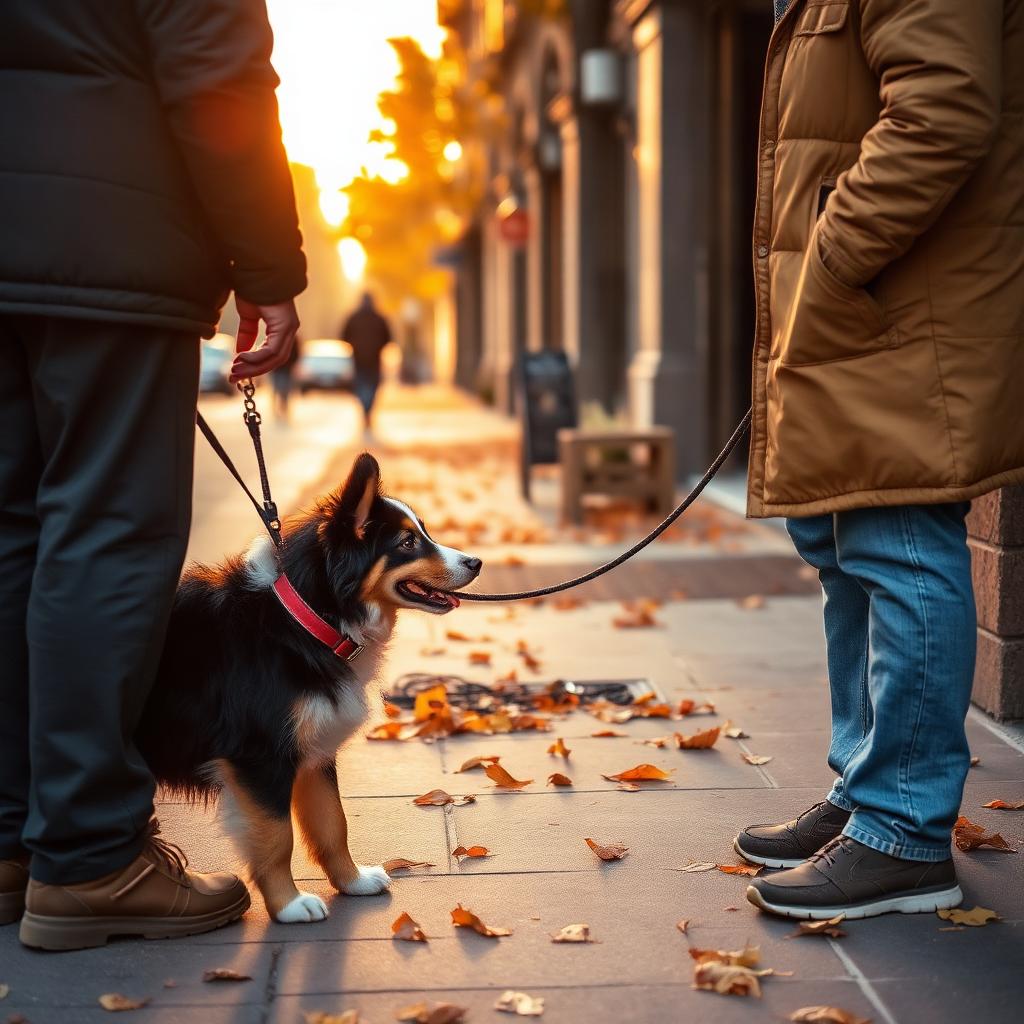
Socialization
The Puppy Socialization Checklist: 14 Categories of Positive Experiences (3–14 Weeks)
A trainer-built socialization checklist for the critical 3–14 week window. People, dogs, surfaces, sounds, and handling — done safely.
12 min read
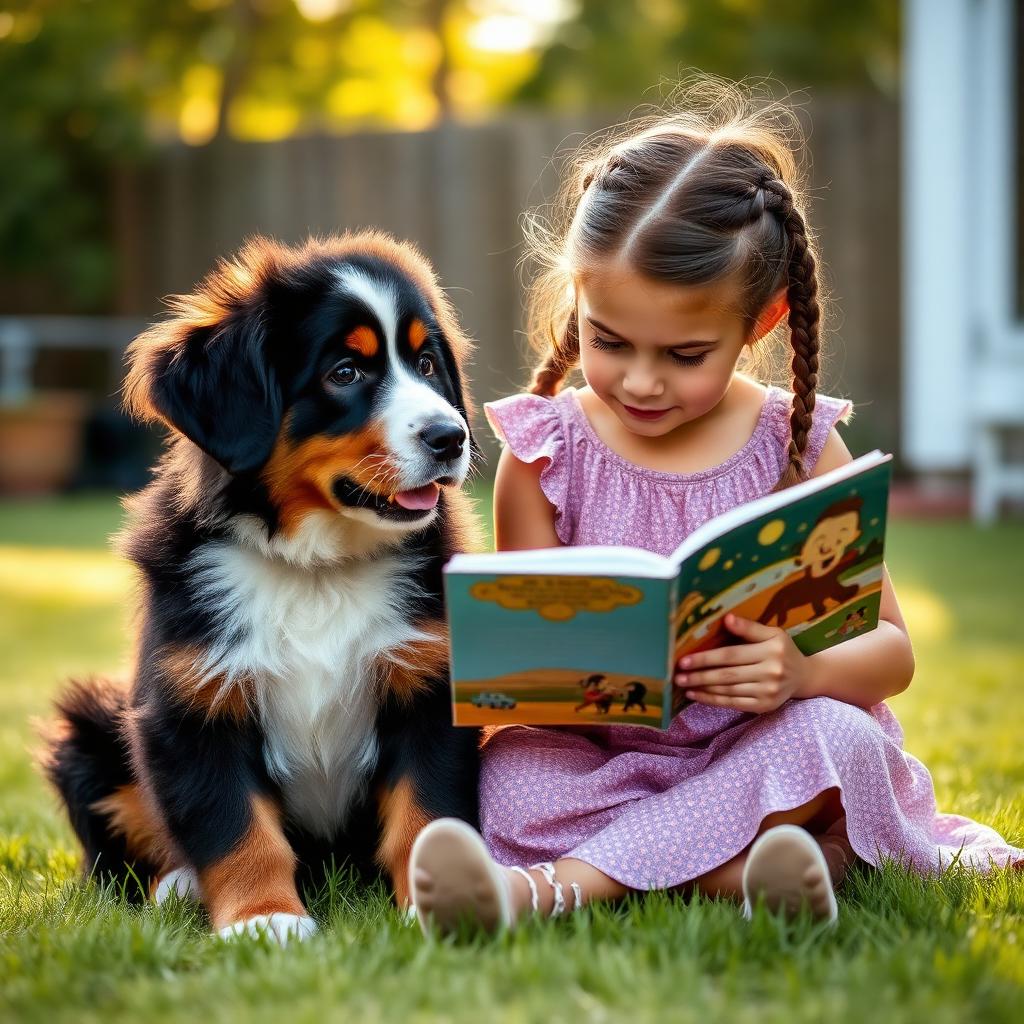
Socialization
Introducing Your Puppy to Children Safely: A Family Trainer's Playbook
Step-by-step protocols for safe puppy-child introductions, age-appropriate rules for kids, and the body-language signals every parent should know.
11 min read
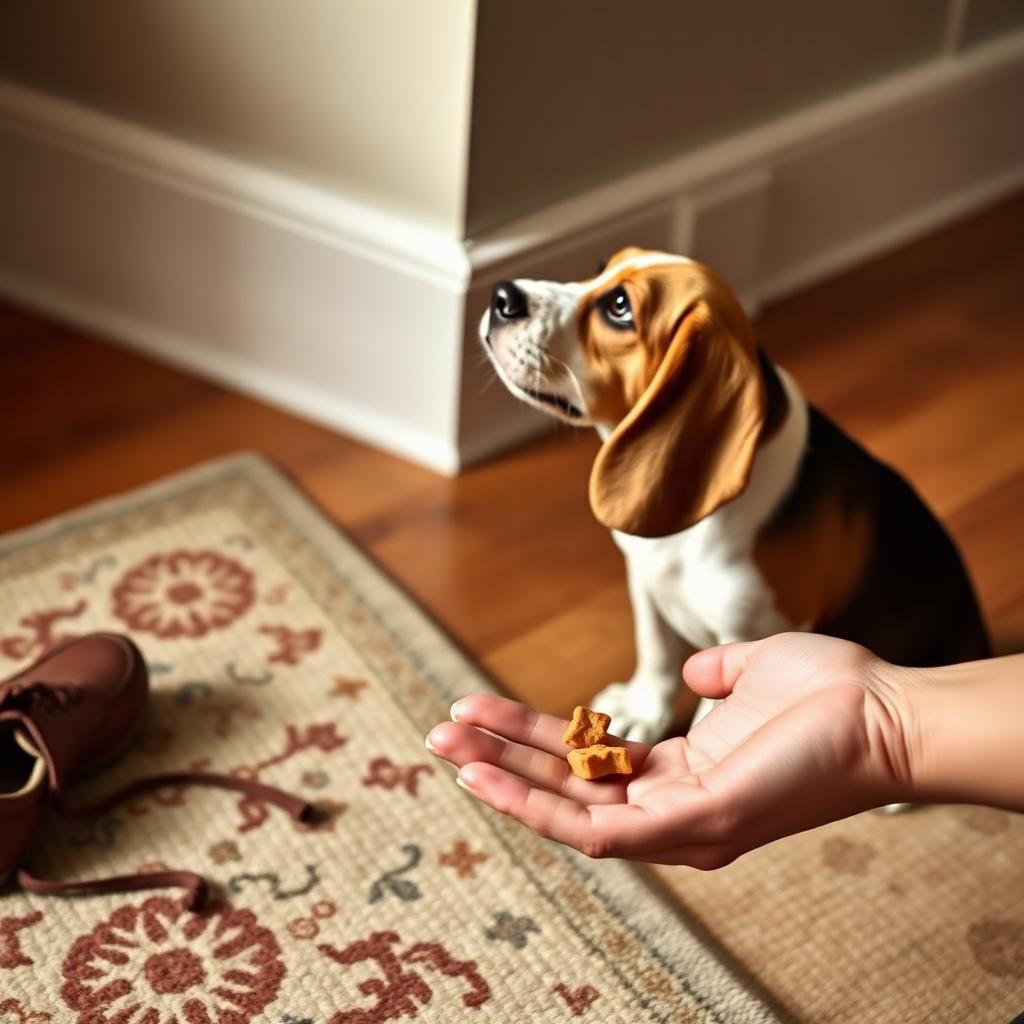
Obedience Training
How to Teach a Puppy 'Leave It' and 'Drop It': A Two-Cue Safety Protocol
A CPDT-KA trainer's step-by-step protocol for teaching leave it and drop it — the two cues that keep a puppy safe from sidewalk hazards and chewed shoes.
12 min read
Nutrition & Feeding
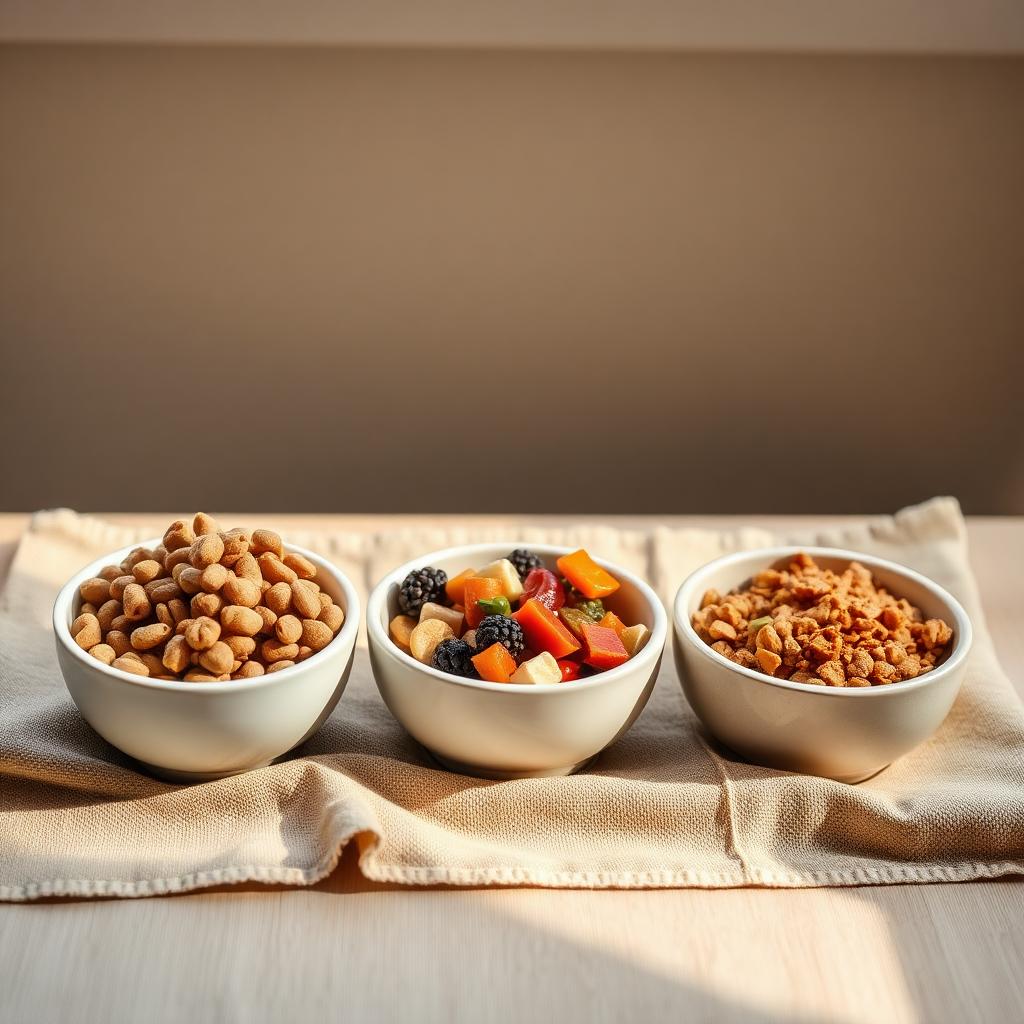
Raw vs. Kibble vs. Fresh Puppy Food: A Vet-Reviewed Comparison
How raw, kibble, and gently cooked fresh diets actually compare for puppies — safety, nutrient balance, cost, and what most veterinary boards recommend.
15 min read
Nutrition & Feeding
How to Transition Puppy Food Safely: A Trainer + Vet Protocol
The 10-day food transition schedule vets use for puppies, plus what to do when you're switching brands, life stages, or coming home from the breeder.
12 min read
Nutrition & Feeding
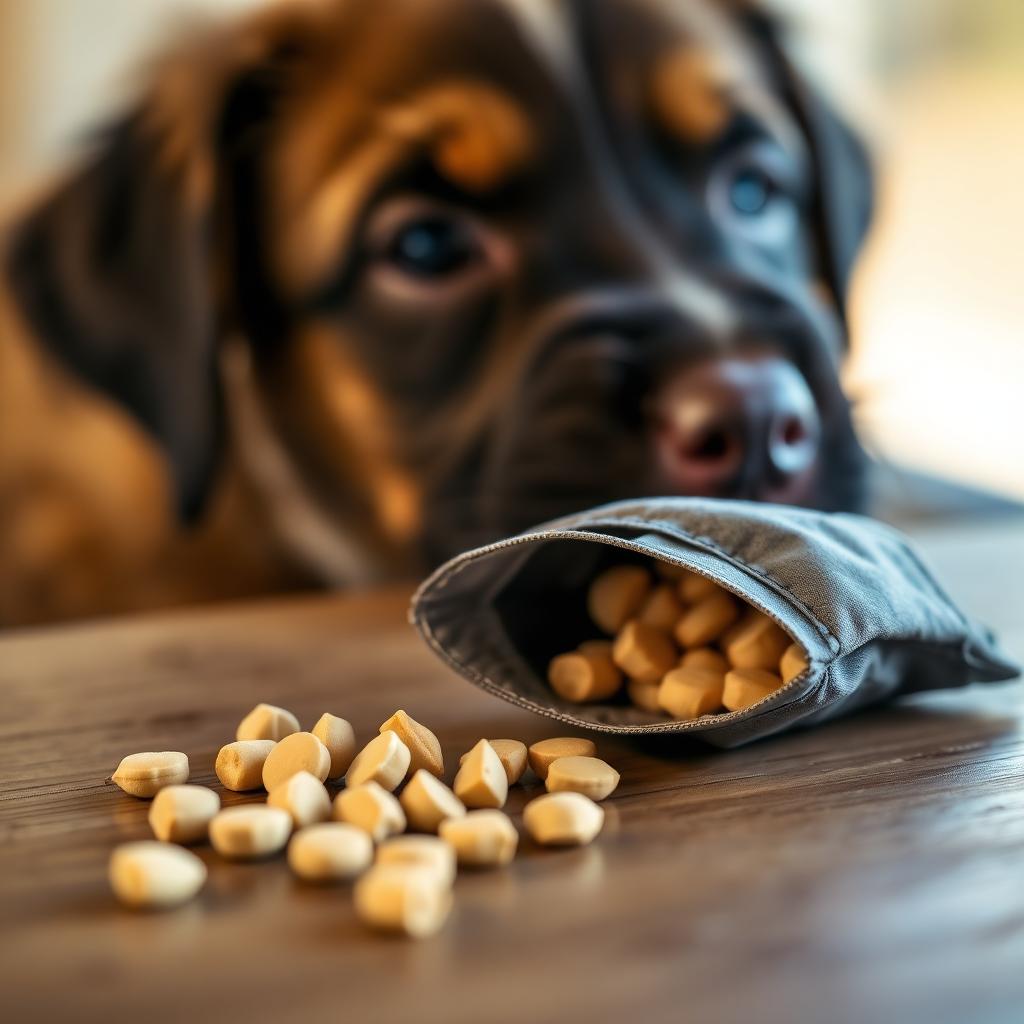
The Puppy Training Treats Guide: Calories, Value, and What to Use When
A trainer's guide to choosing, sizing, and rotating puppy training treats — calorie limits, value hierarchies, homemade options, and what to avoid.
12 min read
Continue learning
Explore the full The Complete Puppy Nutrition Guide
Vet-reviewed guide to feeding puppies from 8 weeks to adulthood: choosing food, portion sizes by breed, treats, and transitioning to adult food.