Nutrition & Feeding
Puppy Hydration: How Much Water, When, and Signs of Dehydration
Water gets exactly one line in most puppy books: 'provide fresh water at all times.' That advice is right, and it is also useless the first time your ten-week-old puppy chugs half a bowl at 9 p.m. and asks to be let out three times before midnight. Hydration is one of the few nutrition topics where you need both a number and a schedule. This guide gives you both, plus the dehydration checks a trainer or new owner can do at home in under thirty seconds.

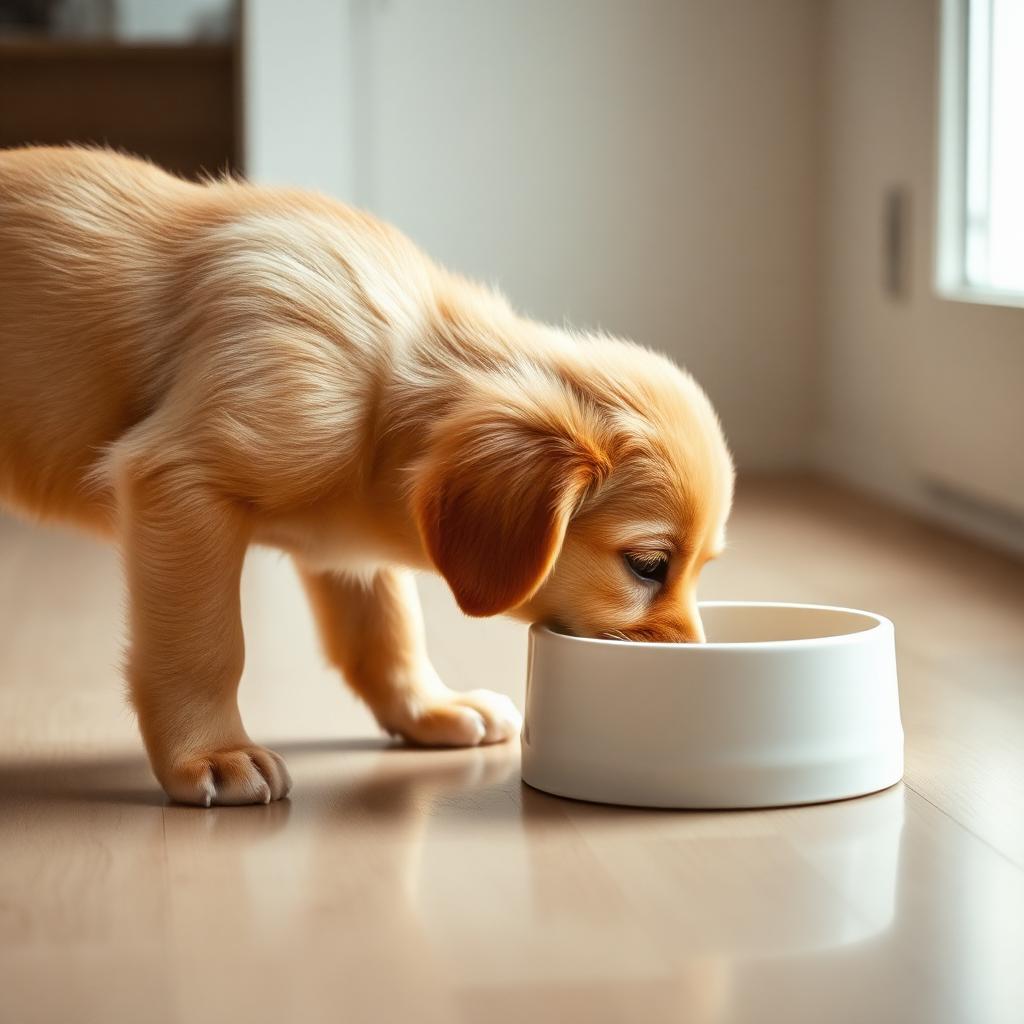
How much water does a puppy need?
The working number in veterinary practice is 0.5 to 1 fluid ounce of water per pound of body weight per day. A 10-pound puppy therefore drinks somewhere between 5 and 10 ounces daily — roughly two-thirds of a cup on the low end, a cup and a quarter on the high end. Puppies eating moisture-rich fresh or canned food drift toward the low end; kibble-only diets shift toward the high end because kibble is only about 10% moisture.
Weather, activity level, and life stage move the number. Puppies under sixteen weeks drink slightly more per pound than adult dogs because their kidneys are less efficient at concentrating urine. Hot days, long training sessions, and the days after vaccination or GI upset all push consumption higher — sometimes by 50% for a day or two. That is normal. What matters is the trend line over three to four days, not a single big day.
When to offer water and when to limit it
During the day, water should be freely available. Some trainers recommend timed water on the theory that it makes potty training predictable, but the tradeoff — a mildly dehydrated puppy — isn't worth the marginal potty gain. Instead, offer water at every meal, after every play session, and after every training block. Keep the bowl in the same spot; puppies map hydration to place surprisingly early.
The overnight water question
The one exception is the last hour before bed during active potty training. Between roughly eight and sixteen weeks, most puppies can't hold their bladder for more than four hours overnight. Pulling the water bowl 60–90 minutes before lights-out — while still offering ice chips or a supervised sip if the puppy asks — reduces the 2 a.m. potty trip without meaningfully impacting daily total. Return the bowl in the morning the moment the puppy is out of the crate. This is a temporary training tool, not a lifestyle. By four to five months, most puppies can have water available overnight without accidents.
How to check for dehydration at home
There are three simple checks. Do them in this order.
- Skin tent: lift a small pinch of skin over the shoulder blades. In a hydrated puppy, it snaps back in under a second. A slow return (2–3 seconds) is mild dehydration; a tent that stays up is a same-day emergency.
- Gum check: run a clean finger along the gum above the canine tooth. It should be slick and wet. Tacky, dry, or 'sticky' gums are mild-to-moderate dehydration.
- Capillary refill time: press a fingertip against the gum for one second. The blanched spot should pink back up within two seconds. Slower is a call to the vet.
Layered on top of the physical checks: lethargy, sunken-looking eyes, reduced skin elasticity, or reluctance to move are all late signs. Puppies compensate for dehydration well until they suddenly don't, which is why routine checks during any GI upset are worth the ten seconds.
Water around training and exercise
For sessions under five minutes — a typical puppy training block — no water break is needed. For longer socialization outings or hot-weather walks, carry a collapsible bowl and offer 1–2 ounces every 15–20 minutes. Do not let a puppy chug an entire bowl right after intense play; large, fast-drunk volumes on an empty stomach in deep-chested puppies can cause discomfort and, in a small subset of at-risk breeds, contribute to bloat risk down the line.
When water intake is a symptom, not a routine
A sudden, sustained spike in thirst — more than double a puppy's normal intake for three or more days — is a signal, not a personality change. Excessive drinking (polydipsia) in puppies can flag urinary infections, developmental kidney issues, or, more rarely, endocrine disease. Bring it up at your next vet visit even if the puppy seems otherwise fine. The same is true of a sustained drop: a puppy who refuses water for more than 12 hours belongs on the phone with your vet, especially if paired with any of the same-day signs in our diarrhea and vomiting triage guide.
Key takeaways
- Target 0.5–1 fl oz of water per pound of body weight per day.
- Pull water 60–90 minutes before bed during active potty training — otherwise keep it available 24/7.
- Skin tent, gum feel, and capillary refill are the three home dehydration checks — do them in that order.
- Refusal to drink for more than 12 hours in a puppy is a same-day vet call.
- A sustained doubling of thirst is a symptom, not a preference.
Frequently asked questions
- Should I take water away at night from my puppy?
- Only during active potty training, and only for the final 60–90 minutes before bed. Return the bowl at morning wake-up. Once the puppy is dry through the night reliably, keep water available 24/7.
- How much water is too much for a puppy?
- Sustained intake above 1.5 ounces per pound of body weight per day, especially over three or more days, is worth a vet call. A single high-consumption day after heat, exercise, or GI upset is normal.
- Can I add water to my puppy's kibble?
- Yes. Soaking kibble in warm (not hot) water for 5–10 minutes softens it for young puppies and adds moisture. Feed within 30 minutes and refrigerate leftovers.
- Is it okay to give a puppy ice cubes?
- In moderation, yes. Small ice cubes are useful for teething and hot-day cooling, but avoid large cubes for small breeds — tooth chipping is a real risk.
Keep reading
Puppy Health
The Puppy Vaccination Schedule, Explained: What, When, and Why
A plain-English guide to the core puppy vaccine schedule from 6 to 16 weeks, plus optional vaccines and what to expect at the vet.
8 min read
House Training
Nighttime Puppy Potty Training Without the Crying
Trainer's overnight puppy potty plan: hour-by-hour schedule, crate setup, and the three mistakes that keep owners awake for weeks.
11 min read
Puppy Health
Puppy Diarrhea: Causes, Home Care, and When to Call the Vet
A clear, vet-reviewed guide to puppy diarrhea — common causes, safe home care, and the specific red flags that mean call the clinic now.
11 min read
Nutrition & Feeding
Raw vs. Kibble vs. Fresh Puppy Food: A Vet-Reviewed Comparison
How raw, kibble, and gently cooked fresh diets actually compare for puppies — safety, nutrient balance, cost, and what most veterinary boards recommend.
15 min read
Nutrition & Feeding
How to Transition Puppy Food Safely: A Trainer + Vet Protocol
The 10-day food transition schedule vets use for puppies, plus what to do when you're switching brands, life stages, or coming home from the breeder.
12 min read
Nutrition & Feeding
Puppy Food Allergies vs. Intolerances: How to Tell the Difference
How to tell if your puppy has a true food allergy or a food intolerance — signs, elimination diet protocol, and when to see a veterinary dermatologist.
13 min read
Continue learning
Explore the full The Complete Puppy Nutrition Guide
Vet-reviewed guide to feeding puppies from 8 weeks to adulthood: choosing food, portion sizes by breed, treats, and transitioning to adult food.