Nutrition & Feeding
Puppy Food Allergies vs. Intolerances: How to Tell the Difference
'I think my puppy is allergic to chicken' is one of the most common — and most misdiagnosed — sentences I hear from new owners. About one in four dogs with itchy skin has a true food allergy; the rest are dealing with environmental allergies, food intolerances, or something else entirely. The distinction matters, because the fix is different, the diagnostic path is different, and switching to a boutique 'limited ingredient' bag without a real elimination trial usually wastes six weeks and $200. This guide walks through how vets actually differentiate the two, plus the elimination diet protocol that produces a real answer.

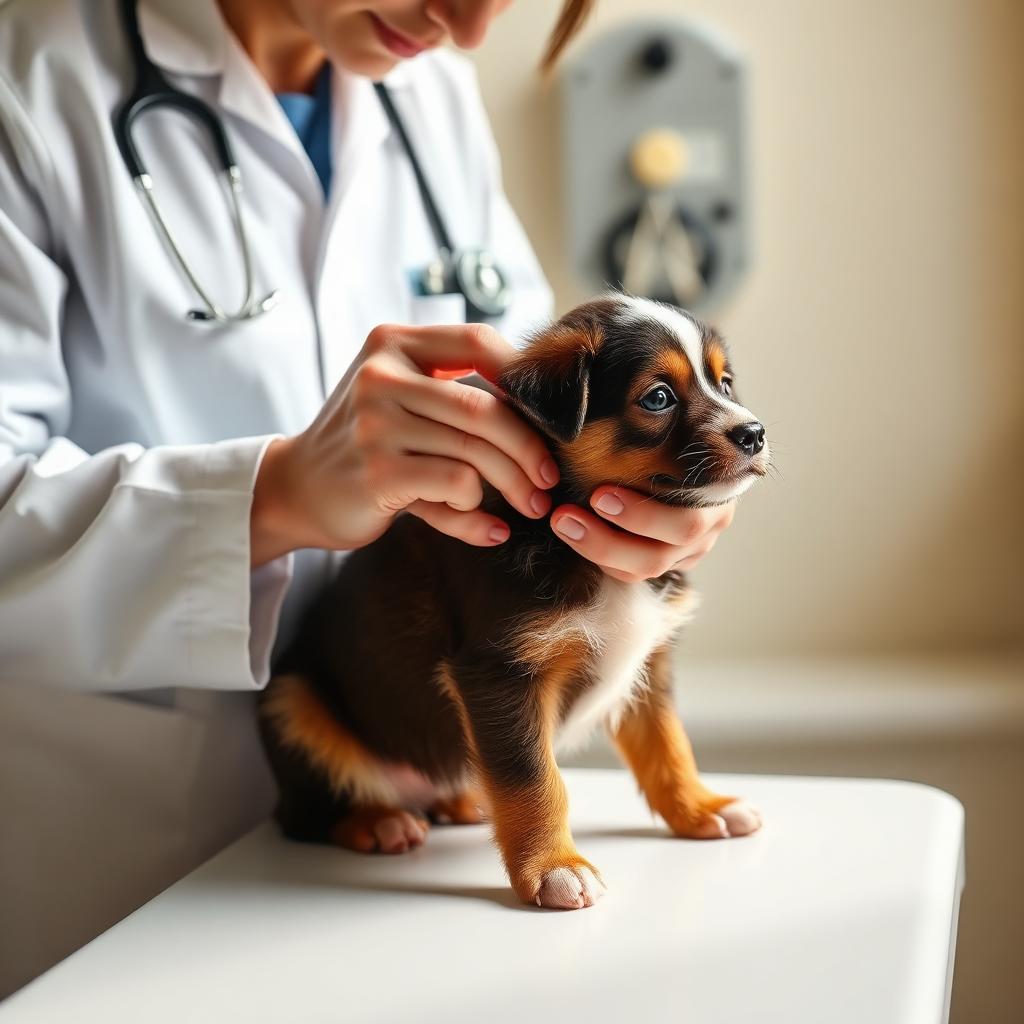
Allergy vs. intolerance: two different mechanisms
A food allergy is an immune-system overreaction to a specific protein — most commonly beef, chicken, dairy, or wheat in dogs. The reaction is mediated by antibodies and can be tiny amounts of the trigger, and it typically shows up as skin inflammation, chronic ear infections, or paw licking rather than acute GI upset. A food intolerance is a digestive-system mismatch — your puppy can't process an ingredient well, but the immune system is not involved. Intolerance is dose-dependent (a little is fine, a lot causes issues) and shows up as loose stool, gas, or intermittent vomiting.
The reason the two get confused is that both trigger owners to think 'switch the food.' But an intolerance switch works within days; an allergy switch takes an eight-to-twelve-week elimination trial. Guessing wrong wastes months.
How each condition actually shows up
Allergy signals
- Chronic ear infections that keep coming back after treatment.
- Paw licking — usually all four paws, worst in the evening.
- Redness in the armpits, groin, or between the toes.
- Face rubbing on furniture or carpet.
- Recurrent hot spots or skin infections.
- Symptoms are year-round and unrelated to season.
Intolerance signals
- Chronic soft stool without other symptoms.
- Gas, especially within 2–4 hours after meals.
- Occasional vomiting of undigested food.
- Improvement within 2–5 days of removing the suspect ingredient.
Two big caveats. Environmental allergies (grasses, pollens, dust mites) produce almost identical skin signs to food allergies and are five to seven times more common. And GI upset in puppies has a long list of non-diet causes — parasites, viral infection, dietary indiscretion — that need to be ruled out first. Our puppy diarrhea triage guide covers what to look for.
Why blood, hair, and saliva 'allergy tests' don't work
The direct-to-consumer allergy tests you can order online are, per every major veterinary dermatology board, not diagnostically valid. Multiple blinded studies have shown they return positive results for sterile water and hair from non-existent dogs. Save the money and skip them. The one test veterinary dermatologists sometimes use is serum IgE testing for environmental allergens as an adjunct to intradermal skin testing — but this is for environmental, not food, allergies, and only in specialist settings.
The elimination diet protocol
The only diagnostic that actually works for food allergies is a strict elimination diet followed by a rechallenge. Here is the protocol most veterinary dermatologists use.
- Choose a novel-protein or hydrolyzed-protein diet under vet guidance. 'Novel' means a protein the puppy has never eaten (rabbit, kangaroo, venison depending on brand). 'Hydrolyzed' means the protein has been broken into pieces too small for the immune system to recognize. Both are prescription-tier or well-vetted OTC options.
- Feed the elimination diet — and nothing else — for 8 to 12 weeks. That means no flavored medications, no chewable heartworm preventives, no toothpaste, no crumbs from a toddler's plate, no rawhide, no bully sticks. One contaminant resets the clock.
- Track symptoms weekly with photos of any skin lesions and a stool log. Most true food allergies improve significantly by week 6–8.
- If symptoms resolve, rechallenge with a single original protein for 1–2 weeks. Return of symptoms confirms the allergy.
- If symptoms do not resolve after 12 strict weeks, the allergy is either to something you haven't eliminated or the cause is not food.
The single reason most home elimination trials fail is cross-contamination. Kids share cheese. Grandma slips a bite of hot dog. A neighbor's dog park visit means a stray french fry. Puppies who eat at daycare need the daycare on the same protocol. If any of that sounds hard, coordinate with a veterinary dermatologist before starting — an incomplete trial that returns 'inconclusive' is more expensive than doing it right the first time.
When to escalate to a specialist
Book a veterinary dermatology consult when symptoms have been ongoing for more than eight weeks, when infection keeps recurring after antibiotics, or when your general vet has already run a food trial without clear results. Dermatologists can rule in environmental allergies with intradermal testing, run a professionally supervised elimination trial, and start immunotherapy where appropriate. For related health topics — deworming, vaccine reactions, ear cleaning — see the health resource center.
Key takeaways
- Allergies and intolerances have different mechanisms, different signs, and different fixes.
- Blood, hair, and saliva 'food allergy' tests are not diagnostically valid.
- A strict 8–12 week elimination diet is the only reliable test. Cross-contamination resets the clock.
- Environmental allergies are more common than food allergies and look almost identical.
- Persistent symptoms after a proper food trial mean a veterinary dermatology referral.
Frequently asked questions
- What is the most common food allergen in dogs?
- Beef, chicken, dairy, and wheat top most published studies, in roughly that order. Lamb and fish, once considered 'hypoallergenic,' are increasingly common because they are used so widely in dog food now.
- Can grain-free food fix a food allergy?
- Rarely. Dogs are almost never allergic to grains — they are almost always allergic to a protein. Grain-free bags typically substitute a novel starch, not a novel protein, and don't solve the underlying issue.
- How young can a food allergy show up?
- Most food allergies emerge between 6 months and 3 years, but occasional cases appear as early as 8–12 weeks. Early-onset itchy skin should still be worked up because the environmental-allergy differential is high.
- Can I do an elimination diet with home-cooked food?
- Only if formulated by a board-certified veterinary nutritionist. Home-cooked elimination diets are otherwise nutritionally incomplete for puppies and can cause growth issues over the 8–12 week trial.
Keep reading

Puppy Health
The Puppy Vaccination Schedule, Explained: What, When, and Why
A plain-English guide to the core puppy vaccine schedule from 6 to 16 weeks, plus optional vaccines and what to expect at the vet.
8 min read
Nutrition & Feeding
How to Choose the Best Food for Your Puppy: A Trainer & Vet-Reviewed Framework
A practical framework for choosing puppy food — AAFCO statements, large vs. small breed, ingredients, and feeding amounts.
10 min read

Puppy Health
Puppy Diarrhea: Causes, Home Care, and When to Call the Vet
A clear, vet-reviewed guide to puppy diarrhea — common causes, safe home care, and the specific red flags that mean call the clinic now.
11 min read
Nutrition & Feeding
Raw vs. Kibble vs. Fresh Puppy Food: A Vet-Reviewed Comparison
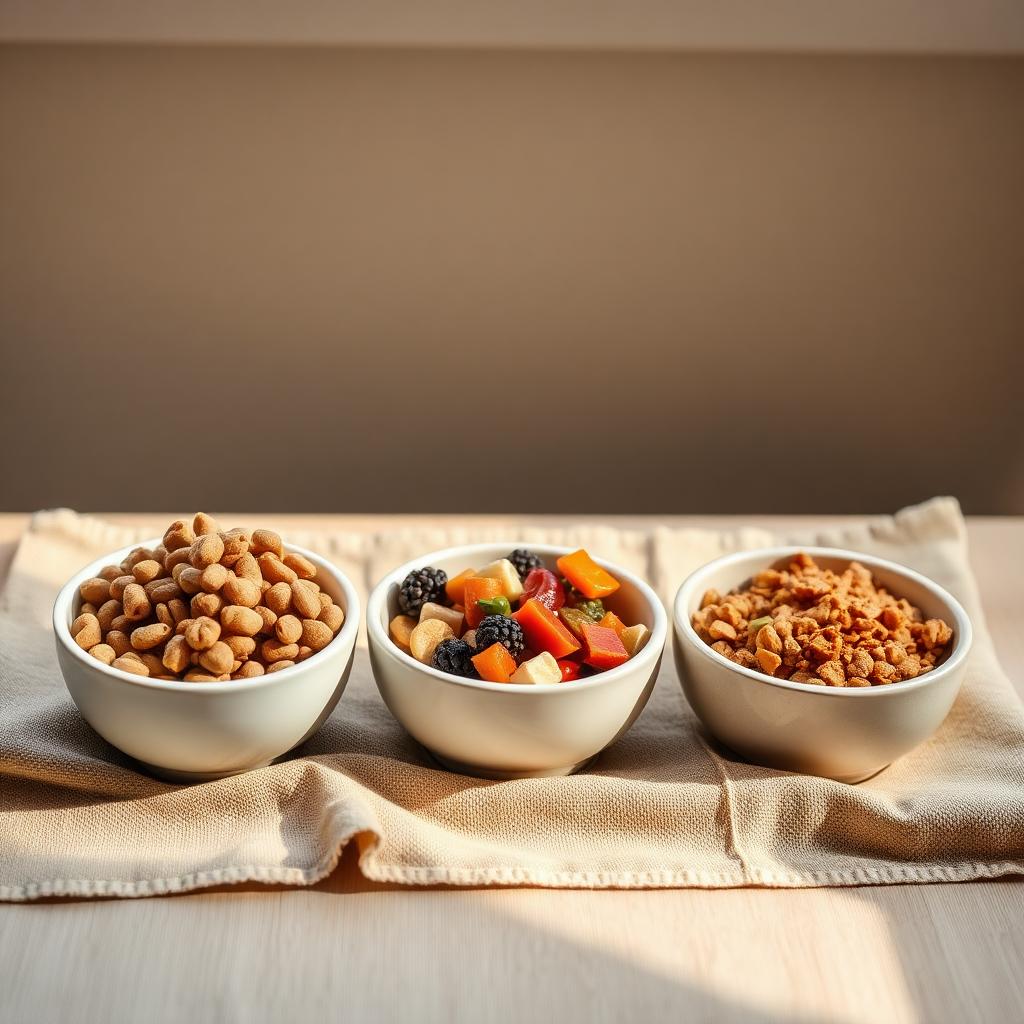
How raw, kibble, and gently cooked fresh diets actually compare for puppies — safety, nutrient balance, cost, and what most veterinary boards recommend.
15 min read
Nutrition & Feeding
How to Transition Puppy Food Safely: A Trainer + Vet Protocol
The 10-day food transition schedule vets use for puppies, plus what to do when you're switching brands, life stages, or coming home from the breeder.
12 min read

Nutrition & Feeding
Puppy Hydration: How Much Water, When, and Signs of Dehydration
A vet-reviewed puppy hydration guide — daily water needs by weight, dehydration signs, water for training, and when overnight water should be pulled.
11 min read
Continue learning
Explore the full The Complete Puppy Nutrition Guide
Vet-reviewed guide to feeding puppies from 8 weeks to adulthood: choosing food, portion sizes by breed, treats, and transitioning to adult food.