Puppy Health
Puppy Diarrhea: Causes, Home Care, and When to Call the Vet
If you own a puppy long enough, you will own a puppy with diarrhea. It's almost a rite of passage — and for most cases, an annoying but harmless one. The hard part is knowing which diarrhea you can ride out at home with rice and water, and which is the one that lands in an emergency room at 2 a.m. After fifteen years of training and a working relationship with three veterinary clinics, here is the framework I give every new owner: what causes it, what to do in the first 12 hours, and the specific red flags that override every home-care instinct.

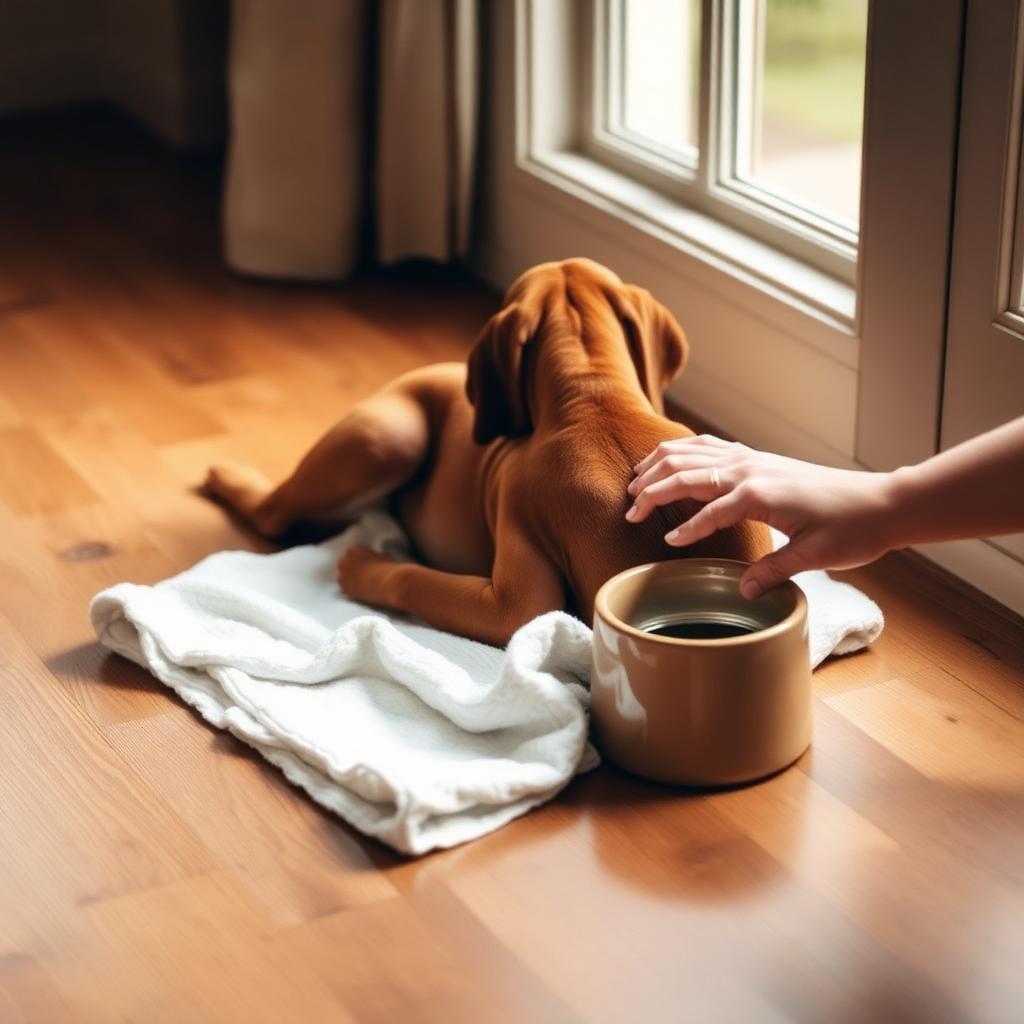
The eight most common causes of puppy diarrhea
Diagnosis matters because the response changes. Most puppy diarrhea falls into one of these categories, ranked roughly by frequency in general practice.
- Dietary indiscretion — the puppy ate something they shouldn't have. By far the most common cause.
- Sudden food change without a transition — switching brands in a single meal will reliably cause loose stool.
- Stress diarrhea — common in the first week home, after vaccinations, or after boarding.
- Intestinal parasites — giardia, roundworms, hookworms, coccidia. Routine in puppies and the reason for the standard 4-dose deworming schedule.
- Viral infection — parvovirus is the most serious. Always suspect in an unvaccinated puppy with sudden, bloody diarrhea.
- Bacterial overgrowth — secondary to almost any of the above.
- Food intolerance — some puppies simply don't do well on certain proteins or grain blends.
- Toxin exposure — chocolate, xylitol, certain plants, garbage. Always consider in a puppy who was unsupervised.
If your puppy has just transitioned food, see our best food for puppies guide for the proper 7-day ramp; a one-day switch is a leading cause of preventable GI upset.
Assess severity in 60 seconds
Stand over the puppy and answer five questions. The answers determine whether you're in home-care territory or vet-call territory.
- How old is the puppy? Under 12 weeks, the threshold for calling the vet is much lower — dehydration sets in fast.
- How many episodes in the last 12 hours? More than four soft-to-liquid stools in 12 hours warrants a call.
- Is there blood or black, tarry stool? Either is an immediate call.
- Is the puppy still drinking and active? A puppy who is bright, drinking, and engaging is in a different category from one who is lethargic.
- Is there vomiting too? Diarrhea plus vomiting in a puppy is a same-day vet visit, not a wait-and-see.
Safe home care for mild cases
If the puppy is over 12 weeks, has had one or two soft stools in 24 hours, is fully hydrated, eating, and acting normally, you can attempt home care for 24 hours. The protocol is conservative on purpose.
- Fast for 6 to 12 hours — water only. Never longer, and never in a puppy under 12 weeks.
- Offer small amounts of water every 30 minutes; pulling the bowl entirely risks dehydration.
- After the fast, start the bland diet (recipe below) in small, frequent meals — 4 to 6 small portions across the day.
- Transition back to regular food over 3 days once stool firms up.
- Document the time and consistency of each stool. If you end up at the vet, this log saves diagnostic time.
The bland diet, done right
The classic boiled-chicken-and-rice combination works for most puppies. The proportions matter — too much chicken and the fat content can worsen diarrhea.
- Two parts plain white rice (long grain, fully cooked, no seasoning) to one part boiled, skinless, boneless chicken breast.
- Add a tablespoon of plain canned pumpkin (not pie filling) per meal — soluble fiber that genuinely helps stool form.
- No butter, no oil, no salt, no broth from a can.
- Feed at room temperature, small portions every 3 to 4 hours.
- Maintain for 2 to 3 days, then transition back over 3 days: 75/25, 50/50, 25/75, then regular food only.
A vet-formulated probiotic designed for dogs (FortiFlora, Proviable, or similar) can shorten recovery — ask your clinic if you're unsure which to keep on hand. Human probiotics are not equivalent and can cause more upset.
Red flags — call the vet now, not in the morning
These signs override every home-care instinct. Call the clinic or an emergency hospital immediately if you see any of them.
- Any blood in the stool — bright red or black and tarry.
- Repeated vomiting alongside diarrhea.
- Lethargy, dull eyes, or unwillingness to engage.
- Pale, white, or gray gums (press your finger to the gum; color should return in under 2 seconds).
- Skin that stays tented when you gently lift it between the shoulder blades — a sign of dehydration.
- Any diarrhea in a puppy under 12 weeks that lasts more than 12 hours.
- Suspected toxin exposure — chocolate, xylitol, grapes, raisins, mushrooms, antifreeze.
- Known unvaccinated status, or incomplete parvo series — parvovirus is the single deadliest cause of puppy diarrhea and time matters.
If you're uncertain about vaccination timing, our puppy vaccination schedule explained article walks through the standard series and the window of risk. Puppies in the middle of the series are not fully protected, and any sudden, severe GI signs deserve same-day evaluation.
Preventing the next bout
Most puppy diarrhea is preventable with three habits. First, transition foods slowly — always over 7 days, not 2. Second, manage what the puppy can reach: our puppy-proofing checklist covers the kitchen and yard hazards most likely to end in a midnight clean-up. Third, stay on the deworming and fecal-check schedule your vet recommends; puppies routinely test positive for giardia and coccidia even when stool looks normal, and a single course of treatment prevents weeks of misery.
Build a small puppy first-aid kit while everything is calm: a sealed bag of long-grain white rice, canned pumpkin, a thermometer, an unopened probiotic packet, and the after-hours number for your vet and the nearest 24-hour emergency clinic. You'll use it within six months. Almost everyone does.
Key takeaways
- Most mild puppy diarrhea resolves in 24–48 hours with a short fast and a bland diet.
- Blood in stool, vomiting, lethargy, or any diarrhea under 12 weeks = call the vet now.
- Slow food transitions and a current deworming schedule prevent most cases.
Frequently asked questions
- Can I give my puppy Pepto-Bismol or Imodium?
- No, not without veterinary direction. Pepto-Bismol contains salicylates that can be unsafe at certain doses, and Imodium can mask serious conditions and cause complications in certain breeds. Always call your vet before giving any human medication.
- How long is too long for puppy diarrhea?
- More than 24 hours in a puppy over 12 weeks, or more than 12 hours in a younger puppy, warrants a vet call. Diarrhea with blood, vomiting, or lethargy at any age is a same-day visit.
- Is yellow or mucus-coated diarrhea a concern?
- Mucus is often associated with large-intestinal irritation and is common with stress or mild colitis. Yellow stool can indicate rapid GI transit. Either is fine to monitor for 24 hours in an otherwise bright puppy; persistent or worsening warrants a fecal exam.
- Can stress alone cause puppy diarrhea?
- Yes — stress colitis is extremely common in the first week after rehoming, after vaccinations, or after travel. It typically resolves within 48 hours with a bland diet and a calmer routine.
Interactive tools
Use with this guide
Keep reading
Puppy Health
The Puppy Vaccination Schedule, Explained: What, When, and Why
A plain-English guide to the core puppy vaccine schedule from 6 to 16 weeks, plus optional vaccines and what to expect at the vet.
8 min read
Nutrition & Feeding
How to Choose the Best Food for Your Puppy: A Trainer & Vet-Reviewed Framework
A practical framework for choosing puppy food — AAFCO statements, large vs. small breed, ingredients, and feeding amounts.
10 min read
Puppy Basics
Puppy-Proofing Your Home: A Trainer's Room-by-Room Checklist
A certified trainer's room-by-room puppy-proofing checklist. Hazards, fixes, and the five things owners forget until something gets chewed.
11 min read
Nutrition & Feeding
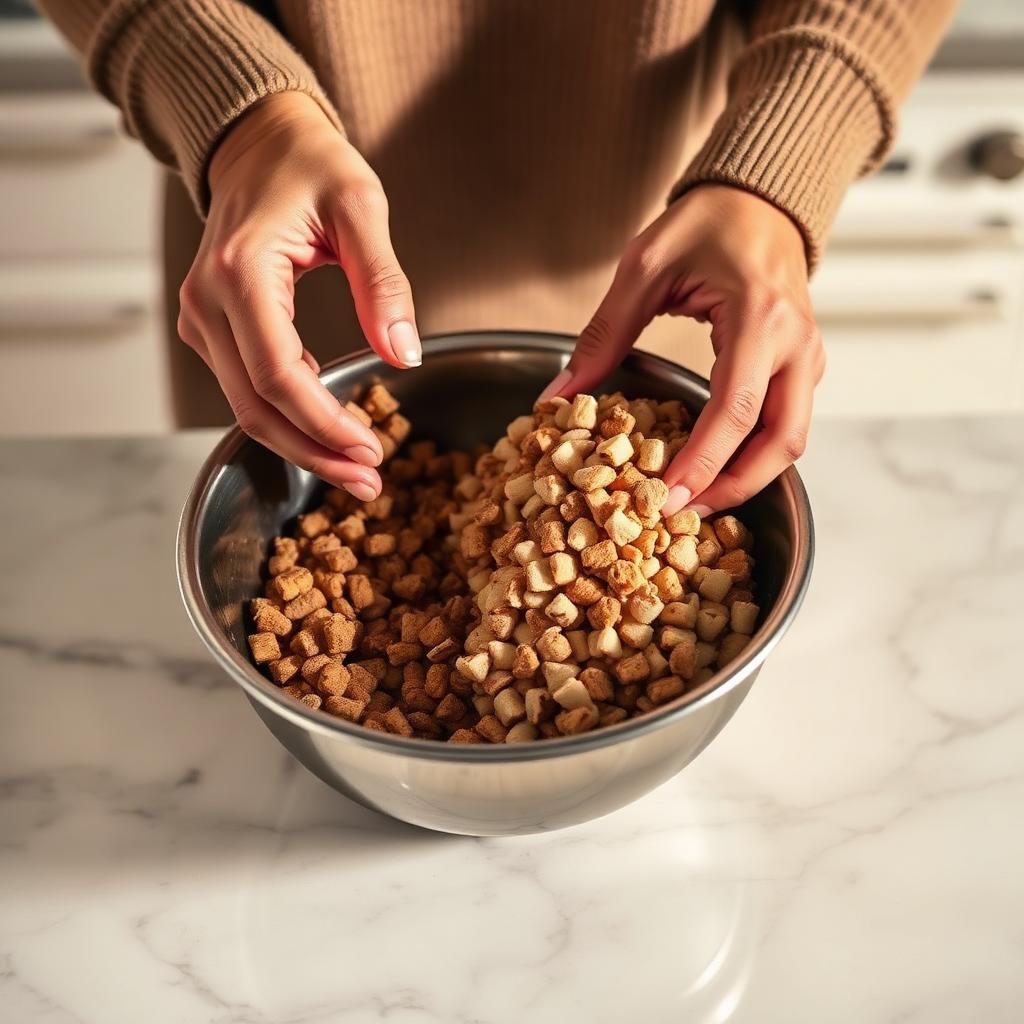
How to Transition Puppy Food Safely: A Trainer + Vet Protocol
The 10-day food transition schedule vets use for puppies, plus what to do when you're switching brands, life stages, or coming home from the breeder.
12 min read
Nutrition & Feeding
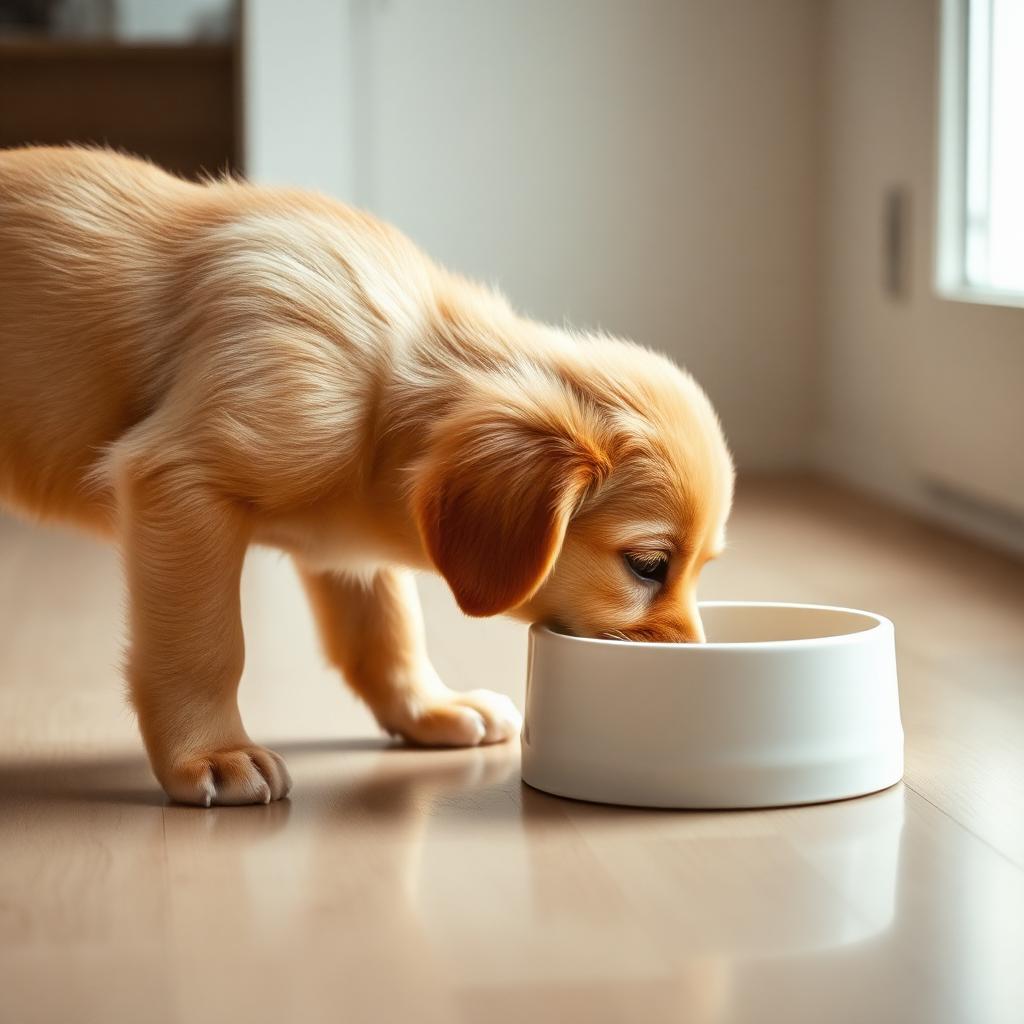
Puppy Hydration: How Much Water, When, and Signs of Dehydration
A vet-reviewed puppy hydration guide — daily water needs by weight, dehydration signs, water for training, and when overnight water should be pulled.
11 min read
Nutrition & Feeding
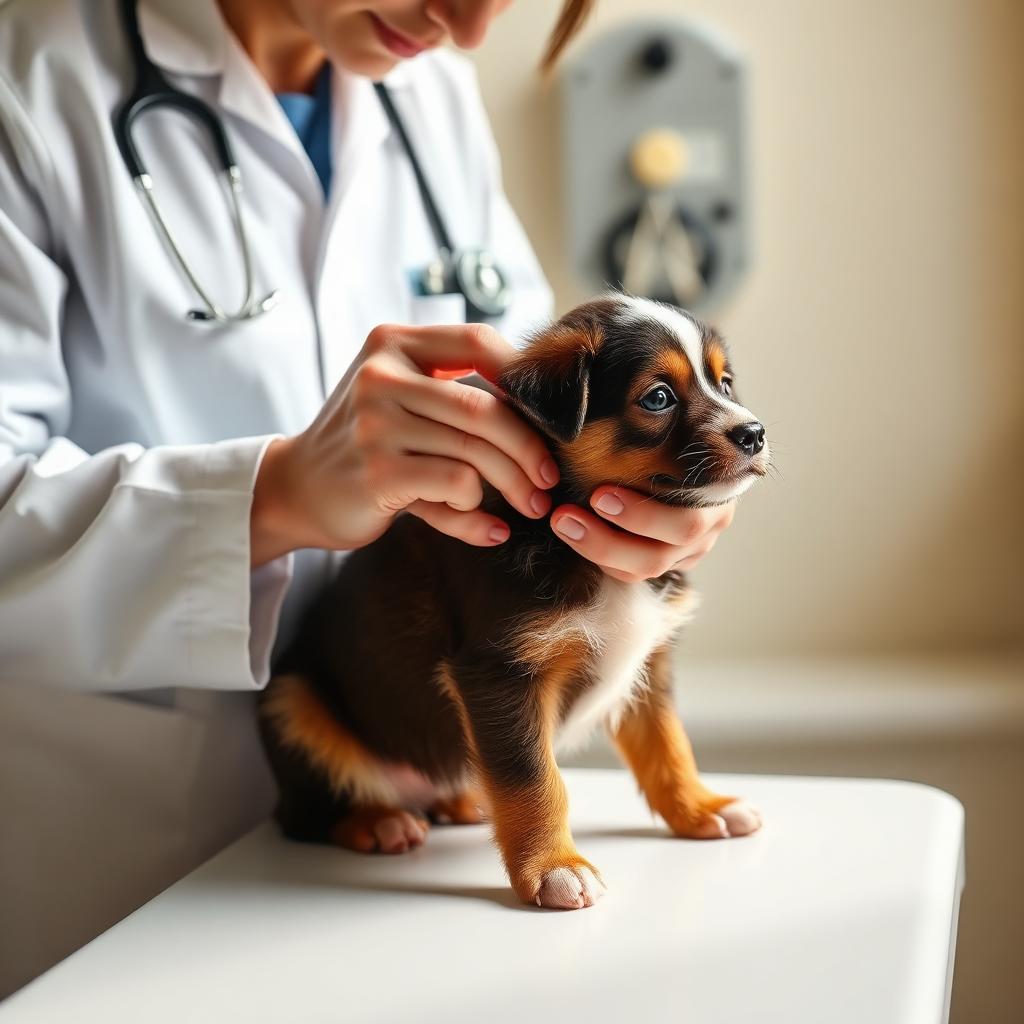
Puppy Food Allergies vs. Intolerances: How to Tell the Difference
How to tell if your puppy has a true food allergy or a food intolerance — signs, elimination diet protocol, and when to see a veterinary dermatologist.
13 min read
Continue learning
Explore the full The Puppy Health Resource Center
Vet-reviewed puppy health hub: vaccination schedule, common illnesses, teething, deworming, spay/neuter timing, and emergency signs.