Puppy Health
How to Tell if Your Puppy Is Dehydrated: The Vet's At-Home Check
A ten-pound puppy holds a little over half a liter of water in their entire body. That number surprises new owners — it explains why a bout of vomiting or a hot afternoon in the yard shifts a puppy from 'fine' to 'not fine' faster than owners expect. The good news: dehydration produces early, physical signs that anyone can check at home in under thirty seconds. The bad news: owners often check them wrong, and then miss the window. This is the exact three-part check I teach in first-week client visits.

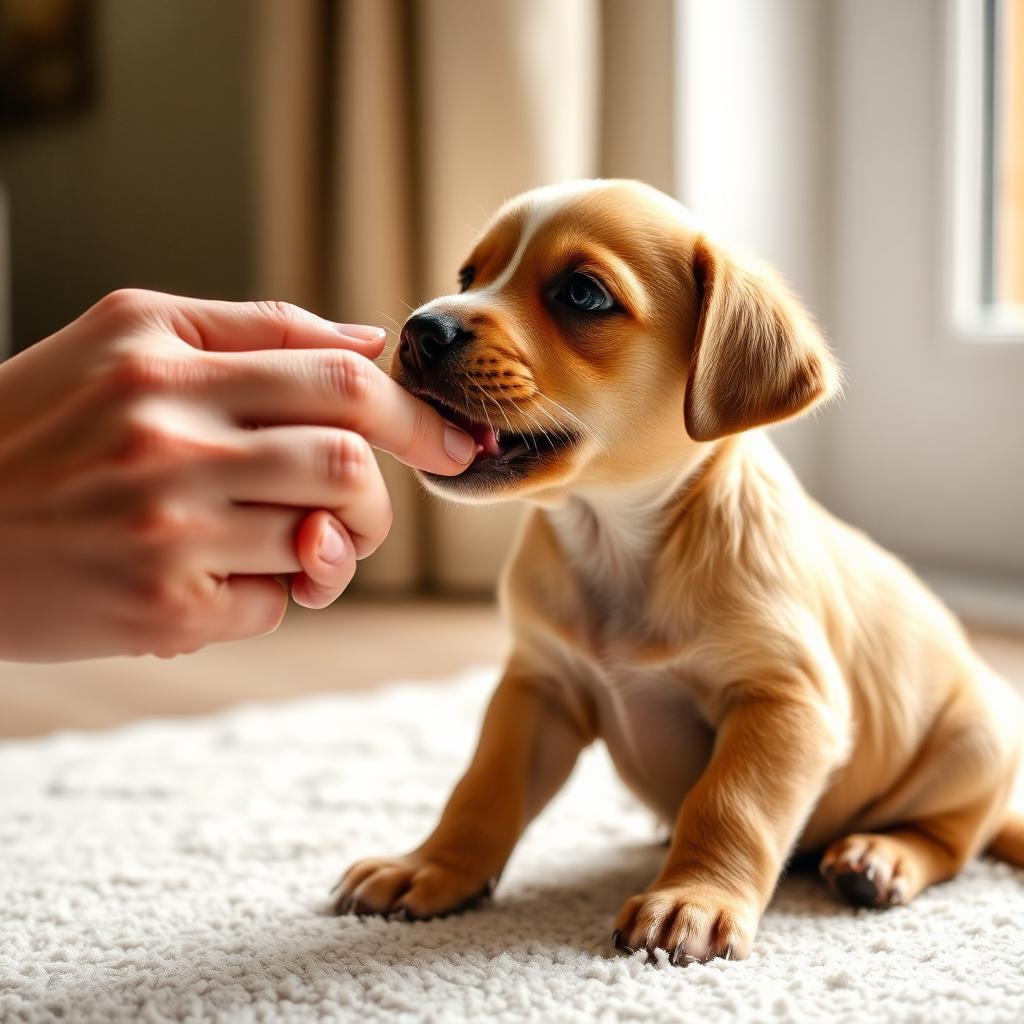
Why a puppy is not a small adult dog
Body water percentage is higher in puppies than in adult dogs, but so is their surface-area-to-mass ratio, which means they lose water faster through breathing and skin. A single missed water bowl, an hour of vomiting, or an unusually warm car ride can produce mild dehydration in hours rather than the full day it would take in a mature dog. This is why 'wait and see' works less well in puppies than in almost any other patient category.
The 30-second at-home dehydration check
Three physical signs, in this order. Practice them on a well-hydrated puppy so you know your own baseline.
1. The skin tent test
Gently lift the loose skin between the shoulder blades into a small tent, then release. In a well-hydrated puppy, it snaps back flat within about a second. A slower return — where you can see the skin settle over one or two seconds — is early dehydration. A tent that stays raised is moderate to severe dehydration and is a same-day visit. Do the test on the same spot every time; different areas have different elasticity.
2. Gum feel and color
Lift the upper lip and touch a fingertip to the gum above the canine tooth. Healthy puppy gums are pink and slippery-wet, like the inside of your cheek. Tacky, sticky gums that feel dry against your finger are early dehydration. Pale gums (whiteish or gray) combined with tacky feel are moderate to severe. Some breeds have naturally pigmented dark gums — check on a pink patch or under the tongue.
3. Capillary refill time (CRT)
Press a finger firmly on the pink part of the gum for a moment, lift, and count. Color should return in about 1–2 seconds. A refill of 3 seconds or more suggests reduced circulation and moderate to severe dehydration.
Quick fact: Two of the three signs abnormal on the same check is more meaningful than any one alone. Skin tent by itself in a chubby puppy can mislead; skin tent + tacky gums almost never does.
Reading the severity
Veterinarians grade dehydration on a rough percentage scale, and while owners don't need to name the number, recognizing the tier changes what to do next.
- Under 5% (mild) — subtle skin tent lag, slightly tacky gums, otherwise bright and interactive.
- 5–8% (moderate) — clear skin tent lag, tacky-to-dry gums, sunken-looking eyes, quieter behavior.
- 8–10%+ (severe) — persistent skin tent, cold extremities, weak pulse, dull mentation — this is a shock-territory emergency.
What to do at each level
Mild — you can address it at home, for now
- Offer fresh water in a shallow bowl every 30 minutes for the next 2 hours.
- Add a small amount of low-sodium bone broth or an unflavored electrolyte solution designed for dogs.
- Skip the next meal, then offer a small bland meal (boiled chicken and rice) an hour later.
- Recheck the three signs in 2 hours. If unchanged or worse, call the vet.
Moderate — call the vet today
A puppy with a clear skin tent, dry gums, and a slow refill needs subcutaneous fluids and diagnostic workup, not more time on the kitchen floor with a water bowl. Do not force water — puppies who are already nauseated will vomit it and dehydrate further.
Severe — emergency clinic now
Cold ears, pale gums, weak or unresponsive puppy: this is a car ride, not a phone call. IV fluids reverse this quickly if treatment starts within hours. Wrap the puppy in a warm towel for the trip; do not delay for a bath or a change of clothes.
Warning: A puppy that seems calmer or 'quieter' after a bout of vomiting is not necessarily better — often they're crashing. Recheck hydration and gum color every 30 minutes.
Preventing dehydration on hot days and sick days
- Multiple water stations in the house — one per floor plus one near the crate.
- Ice cubes floated in the bowl on hot days (many puppies drink 30% more).
- For car rides over 30 minutes, a spill-proof travel bowl and a scheduled water break every 60 minutes.
- During training sessions with high treat volume, alternate treat-and-water reps.
- During any GI upset, use small, frequent water offers rather than one large fill.
Common rehydration mistakes
- Giving human sports drinks — the sugar and sodium levels are wrong for puppies.
- Free-choice water immediately after vomiting — invites another episode; wait 15–20 minutes and offer small amounts.
- Ignoring the check if the puppy is still eating — appetite can persist several hours into meaningful dehydration.
- Assuming a full bowl means the puppy has been drinking — mark the water level with tape and recheck in an hour.
- Treating severe dehydration at home with a syringe — subcutaneous fluids are a vet-only intervention.
Key takeaways
- Learn the three-step check on a healthy puppy — you need a baseline.
- Two abnormal signs together are more meaningful than any one alone.
- Moderate and severe dehydration are vet-only fixes — home rehydration can make it worse.
- Water access, not water quantity, prevents most cases.
Frequently asked questions
- How long does it take a puppy to become dehydrated?
- Faster than owners expect — a puppy vomiting every 30 minutes can be moderately dehydrated within 4–6 hours. A missed water bowl in warm weather can produce mild dehydration in under a day.
- What color should healthy puppy gums be?
- Bubblegum pink, slippery-wet to the touch, with a 1–2 second capillary refill. Tacky, pale, gray, or blue-tinged gums all warrant a same-day vet call.
- Can I give my puppy Pedialyte?
- Unflavored Pedialyte in small amounts is safer than human sports drinks, but dog-specific electrolyte solutions are better matched to canine electrolyte needs. Ask your vet before using either during active illness.
- Should I force my dehydrated puppy to drink?
- No. Forcing water into a nauseated puppy usually causes more vomiting and worsens dehydration. If a puppy won't drink voluntarily and shows signs of dehydration, they need veterinary fluids.
Interactive tools
Use with this guide
Keep reading
Puppy Health
Puppy Diarrhea: Causes, Home Care, and When to Call the Vet
A clear, vet-reviewed guide to puppy diarrhea — common causes, safe home care, and the specific red flags that mean call the clinic now.
11 min read
Nutrition & Feeding
Puppy Hydration: How Much Water, When, and Signs of Dehydration
A vet-reviewed puppy hydration guide — daily water needs by weight, dehydration signs, water for training, and when overnight water should be pulled.
11 min read
Puppy Health
Common Puppy Illnesses Every Owner Should Recognize (Before They Become Emergencies)
The illnesses veterinarians see most often in puppies under 12 months — what they look like at home, how they're treated, and which ones cannot wait until morning.
14 min read

Puppy Health
Puppy Vaccination Side Effects: What's Normal, What's Not, and When to Call
A vet-reviewed guide to puppy vaccination side effects — the normal 24-hour reactions, the rare serious ones, and the exact signs that need a same-day call.
12 min read

Puppy Health
When Should You Call a Veterinarian? A Decision Tree for New Puppy Owners
A vet-built decision tree for new puppy owners — which symptoms can wait until morning, which need a same-day call, and which are emergencies.
13 min read

Puppy Health
Preventing Common Health Problems in Puppies: The Habits That Do the Real Work
The daily and weekly habits that prevent 80% of first-year puppy health issues — from vaccination and parasite control to dental, weight, and environmental design.
14 min read
Continue learning
Explore the full The Puppy Health Resource Center
Vet-reviewed puppy health hub: vaccination schedule, common illnesses, teething, deworming, spay/neuter timing, and emergency signs.