Puppy Health
Puppy Vaccination Side Effects: What's Normal, What's Not, and When to Call
The car ride home from a vaccine appointment always looks the same: a slightly quieter puppy, an owner watching a little too closely, and a mental list of what might happen next. Most of that list never arrives. But knowing exactly what a normal vaccine reaction looks like — and what would push it into the territory that needs a call — makes the 24 hours after shots calmer for everyone. This is that guide, based on the reactions veterinarians actually see in practice.


Why healthy puppies feel a little off after vaccines
A vaccine works by asking the immune system to do a small dress rehearsal for a disease. That rehearsal — inflammatory cytokines, mildly raised body temperature, tender lymph nodes near the injection site — is the mechanism doing its job. In an eight-week-old puppy, a system doing its job feels roughly like a mild flu for a day. That is not a problem to be prevented; it is evidence the vaccine is working. What matters is telling that expected picture apart from a genuine adverse reaction.
The normal 24–48 hour picture
In roughly one in three healthy puppies, you'll see one or more of the following within 24 hours of the appointment. All of it resolves on its own within 48 hours.
- Sleepiness — longer naps, a slower pace on walks, less interest in a favorite toy.
- A quieter appetite for the first meal or two (dinner skipped is normal; breakfast the next day skipped is worth a call).
- Mild tenderness at the injection site — a puppy who flinches when you scratch the shoulder for a day.
- A small, firm bump at the injection site that appears within a few hours and disappears within 2–3 weeks.
- A degree or so of temperature elevation (normal puppy temp is 100.5–102.5°F / 38–39.2°C).
Quick fact: Roughly 30% of puppies show mild post-vaccination effects; fewer than 0.5% show a moderate or severe reaction. The odds are heavily on your side.
Moderate reactions — call the same day, don't wait
Moderate reactions typically appear within 1–24 hours of the shots. They aren't emergencies, but they need a phone call because the vet will often want to give an antihistamine, adjust the next appointment, or split future doses across visits.
- Facial swelling — puffy muzzle, swollen eyelids, hives across the belly or ears.
- Persistent vomiting or diarrhea (more than one episode after the first hour).
- A limp or reluctance to bear weight that lasts more than 24 hours.
- A lump at the injection site that grows, becomes painful, or is still present at 3 weeks.
- Continued lethargy or refusal of food at the 24-hour mark.
Severe reactions — go now
Anaphylaxis in puppies is genuinely rare, but when it happens it moves in minutes. Most true anaphylactic reactions occur within 30 minutes of the injection — which is why many clinics ask you to stay in the parking lot for a short while after the appointment. The signs are unmistakable: sudden vomiting, collapse, pale gums, weakness, difficulty breathing, or facial swelling severe enough to interfere with breathing. This is an ambulance-speed emergency, not a phone-call situation.
Warning: If your puppy vomits, collapses, or has trouble breathing within 30 minutes of leaving the clinic, drive straight back — do not call ahead. Time is oxygen.
How long puppy vaccine side effects last
Timing is one of the most useful diagnostic tools you have. Normal reactions follow a predictable curve — worst somewhere between 6 and 18 hours after the shot, gone by the 48-hour mark. Anything that is still present, or worse, at 72 hours is not a normal reaction and is worth reporting.
- 0–1 hour: If a severe reaction happens, this is usually when.
- 1–24 hours: Mild sleepiness, quieter appetite, injection-site tenderness peak.
- 24–48 hours: Almost everything mild has resolved.
- 48–72 hours: A soft, non-painful bump may persist and continue to shrink.
- 3 weeks: Any lump that remains at this point is worth showing your vet.
How to give a puppy a smoother vaccine day
You cannot prevent the immune response — and you shouldn't want to — but you can reduce the wear and tear.
- Schedule the appointment for a morning that isn't followed by a busy afternoon.
- Feed a small breakfast beforehand; a fasted puppy tolerates the visit worse, not better.
- Skip a big training session or long walk that day — treat it as a rest day.
- Have water available in the crate — a slightly warmer puppy drinks more.
- Ask the vet to split any future combo vaccine into two visits if this one was rough.
Build a vaccine reaction history now — it matters later
Puppies with a reaction to one vaccine are slightly more likely to react to future ones — but they are not doomed to react, and the risk is manageable with a splitting protocol. What matters is that the record exists. Photograph any swelling or hives, note exact times, and ask the clinic to add a note to the medical file. A five-minute log now saves an argument two years from now when a new vet tech says, 'It says here he did fine last time.'
Key takeaways
- Mild sleepiness, tenderness, and a bump within 24 hours are expected in about 1 in 3 puppies.
- Facial swelling, hives, and lasting lethargy = same-day call.
- Collapse, difficulty breathing, or vomiting within 30 minutes = drive back to the clinic now.
- Log every reaction — it changes future vaccine strategy.
Frequently asked questions
- Is it normal for a puppy to be lethargic after vaccines?
- Yes. Mild sleepiness and a quieter appetite in the 12–24 hours after shots are the most common reactions, seen in about a third of puppies. Persisting lethargy beyond 24 hours, or a puppy who won't stand or eat breakfast the next day, warrants a call.
- How long do vaccine side effects last in puppies?
- Normal effects peak between 6 and 18 hours post-shot and are essentially resolved by 48 hours. A small, firm injection-site bump may persist for 2–3 weeks and shrink on its own.
- Can vaccines make my puppy sick?
- Vaccines temporarily engage the immune system, which can produce mild flu-like effects for a day. They do not cause the diseases they prevent. Live-modified vaccines (like Bordetella intranasal) can cause a few days of mild cough — that's expected, not an illness.
- Should I give my puppy Benadryl before a vaccine?
- Only if your veterinarian has recommended it based on a prior reaction. Prophylactic antihistamines are not routine and can mask early warning signs on a first-time visit.
Interactive tools
Use with this guide
Keep reading
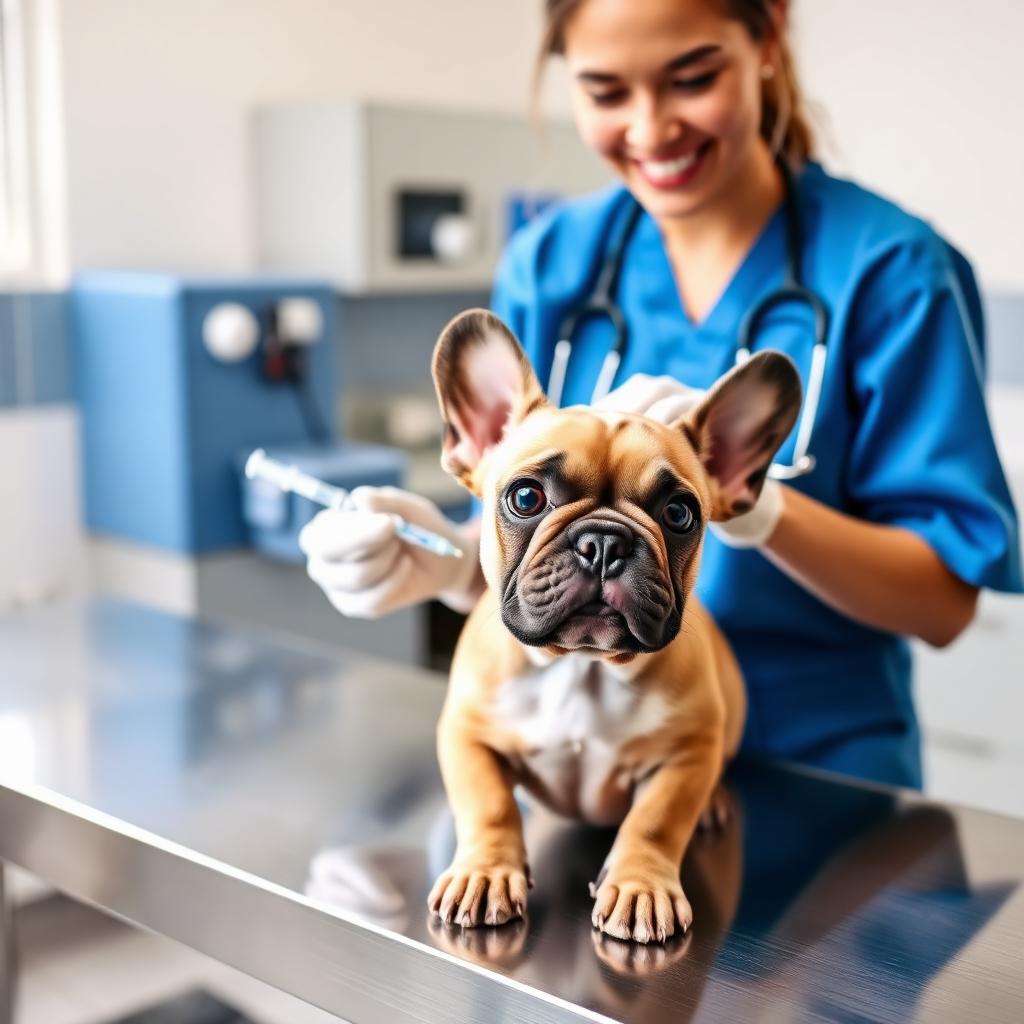
Puppy Health
The Puppy Vaccination Schedule, Explained: What, When, and Why
A plain-English guide to the core puppy vaccine schedule from 6 to 16 weeks, plus optional vaccines and what to expect at the vet.
8 min read
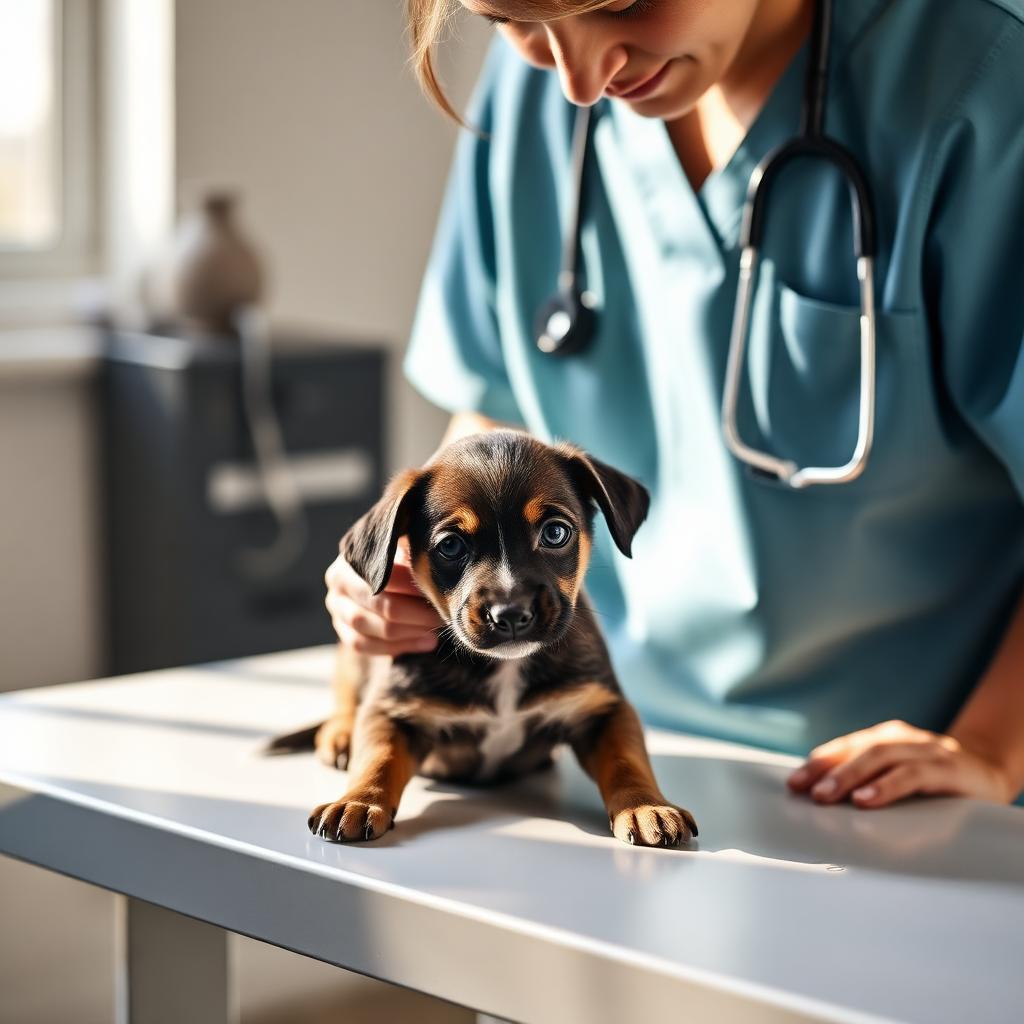
Puppy Health
Common Puppy Illnesses Every Owner Should Recognize (Before They Become Emergencies)
The illnesses veterinarians see most often in puppies under 12 months — what they look like at home, how they're treated, and which ones cannot wait until morning.
14 min read
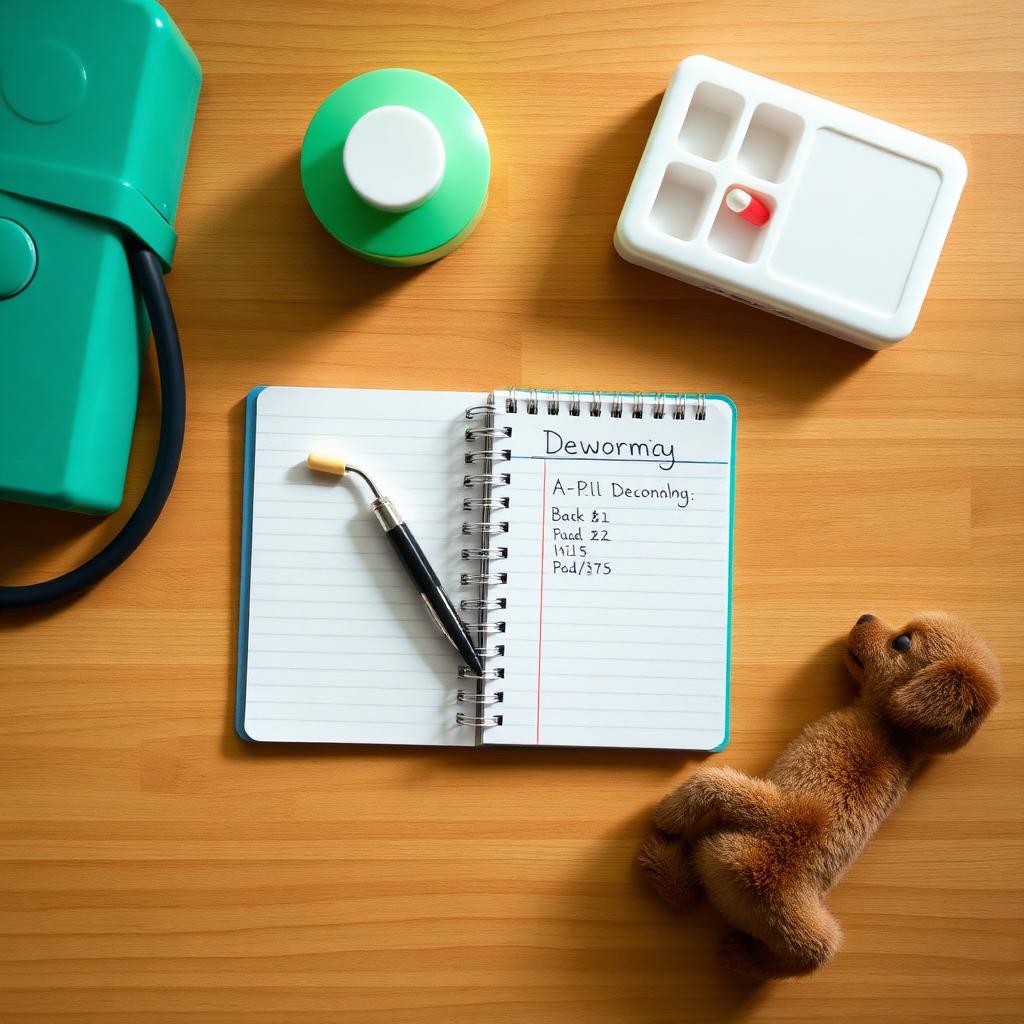
Puppy Health
The Puppy Deworming Schedule, Explained: Which Worms, Which Wormer, and When
A vet-reviewed puppy deworming schedule from 2 weeks through 6 months — which parasites, which medications, when to switch to monthly preventive, and how to know it's working.
13 min read
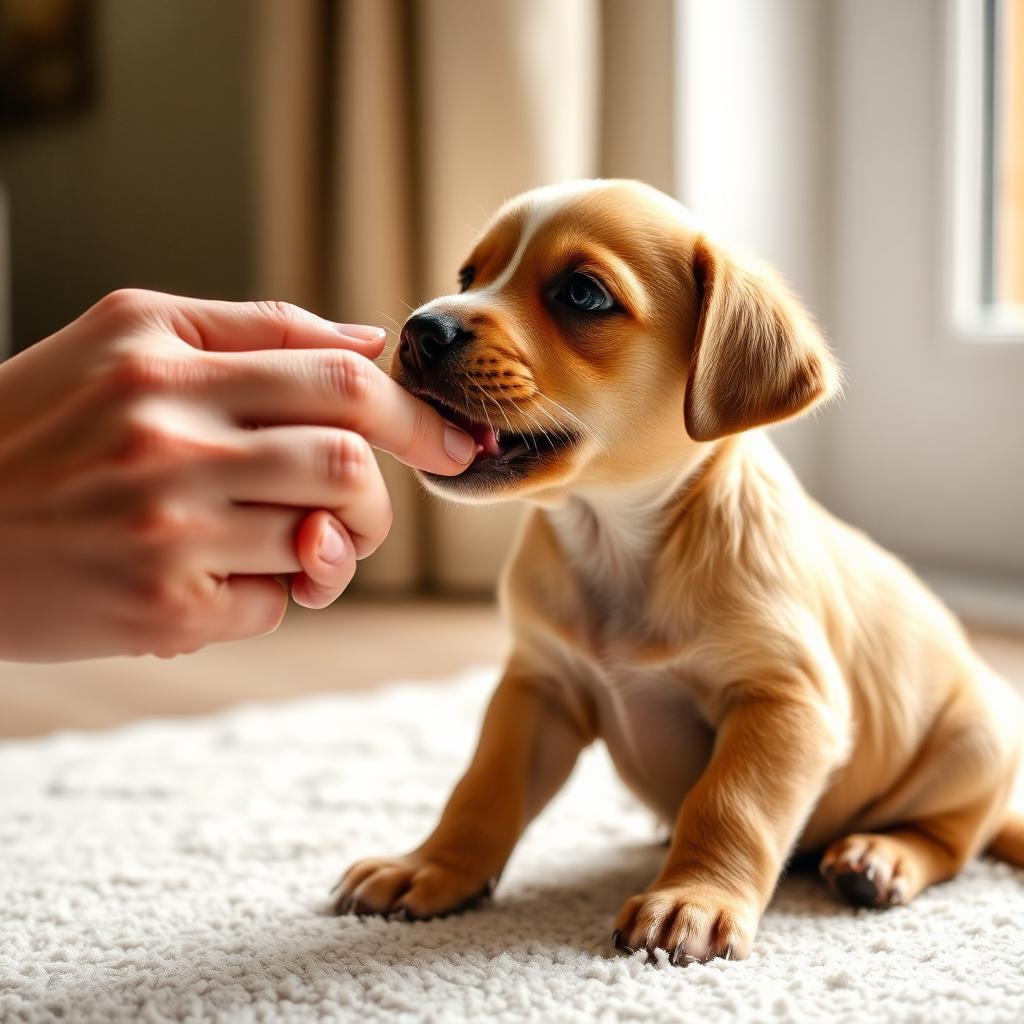
Puppy Health
How to Tell if Your Puppy Is Dehydrated: The Vet's At-Home Check
Three at-home tests veterinarians use to detect dehydration in puppies — skin tent, gum feel, and capillary refill — plus what to do next, by severity.
11 min read
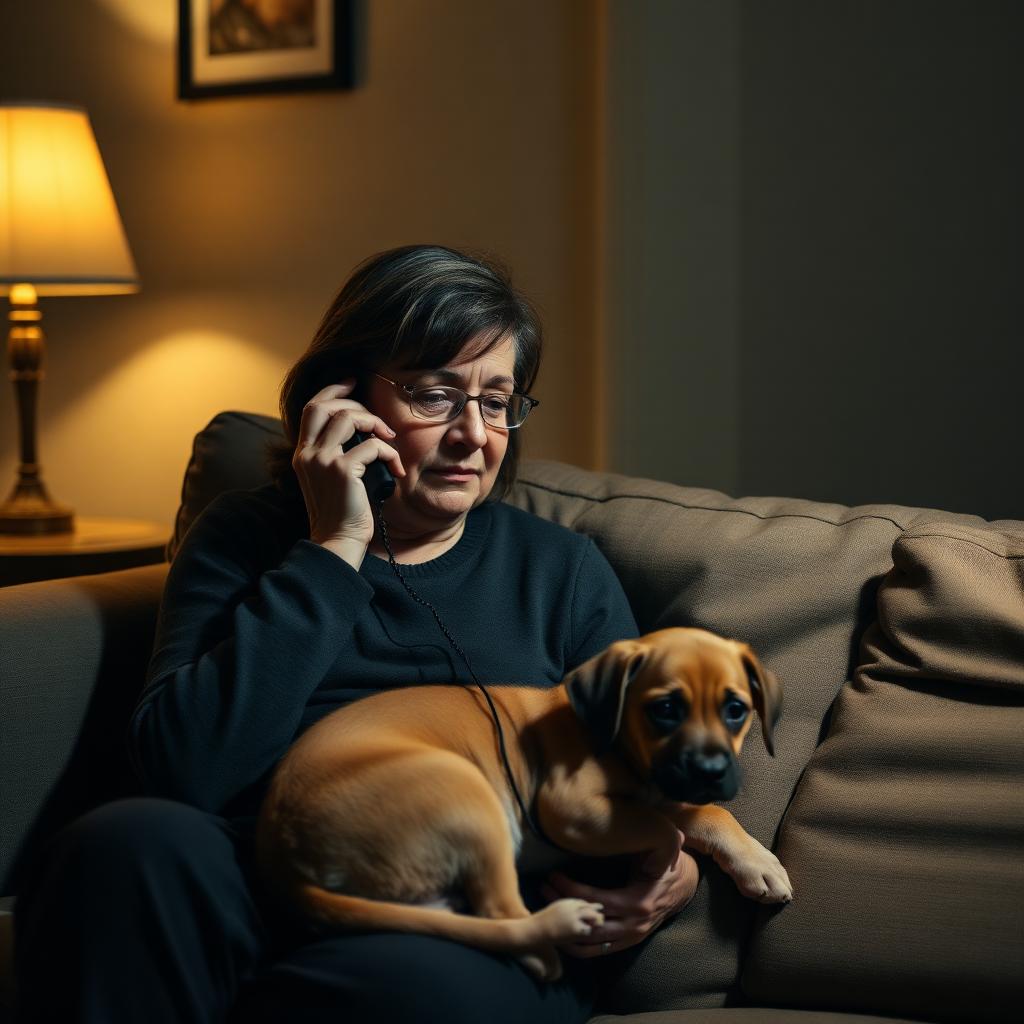
Puppy Health
When Should You Call a Veterinarian? A Decision Tree for New Puppy Owners
A vet-built decision tree for new puppy owners — which symptoms can wait until morning, which need a same-day call, and which are emergencies.
13 min read
Puppy Health
Preventing Common Health Problems in Puppies: The Habits That Do the Real Work
The daily and weekly habits that prevent 80% of first-year puppy health issues — from vaccination and parasite control to dental, weight, and environmental design.
14 min read
Continue learning
Explore the full The Puppy Health Resource Center
Vet-reviewed puppy health hub: vaccination schedule, common illnesses, teething, deworming, spay/neuter timing, and emergency signs.