Puppy Health
Common Puppy Illnesses Every Owner Should Recognize (Before They Become Emergencies)
Most first-year vet visits come down to a short list of familiar problems: a wet-around-the-eyes puppy who won't eat breakfast, a puppy scratching one ear more than the other, a puppy whose stool has changed overnight. Knowing which of these can wait, which need a phone call, and which need a car ride is the single most useful skill a new owner can develop. This guide walks through the illnesses puppies actually get — organized by how urgent they are — with the specific home observations that separate a rough afternoon from a real emergency.

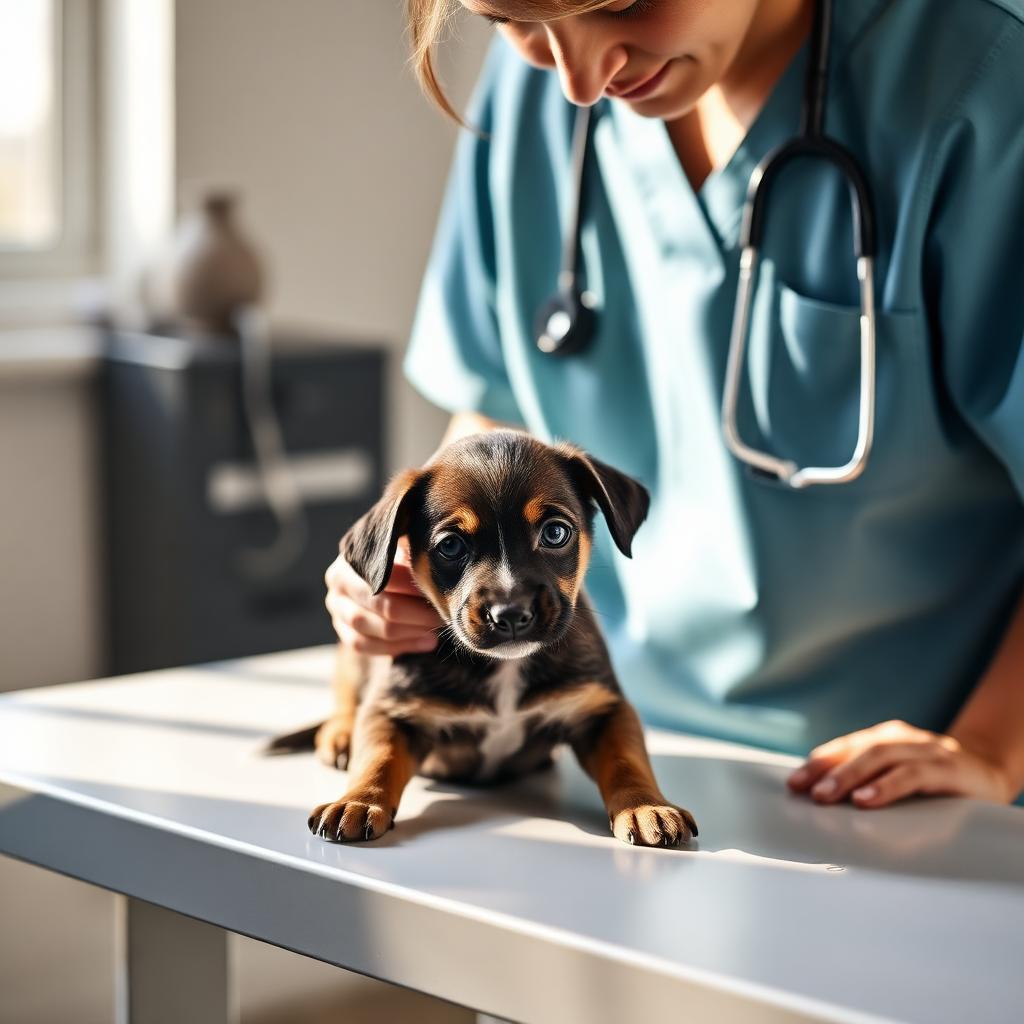
Start with triage, not diagnosis
Google will suggest twelve conditions for any symptom you type in. A veterinarian will not — they will first ask three questions: is your puppy still drinking, is the gum color pink and moist, and is the puppy interactive when you enter the room. Those three answers determine urgency more reliably than any single symptom. A puppy with soft stool who bounces to the door is a Monday-morning problem. A puppy with normal stool who won't lift their head is a same-day visit.
Expert tip — Dr. Elena Martinez, DVM: The single most useful thing a new owner can time is how long a symptom has lasted. 'He's been off since dinner' and 'he's been off since Thursday' are two different visits.
Digestive illnesses: the category you'll meet first
Roughly one in three first-year puppy visits is a digestive complaint. Most are mild and self-limiting; a small fraction are the ones that keep veterinarians awake. What follows is how to tell the difference before you get to the parking lot.
Parvovirus (parvo) — the one you never want to miss
Parvo hits puppies between roughly six weeks and six months, typically before the vaccine series is complete. The classic presentation is a sudden collapse in energy, a refusal to eat or drink, vomiting that starts within hours, and diarrhea that quickly turns bloody and smells profoundly wrong — a smell owners describe as metallic or rotten. A parvo puppy does not perk up when you come home. Untreated mortality is around 90 percent; with aggressive supportive care it drops to 10–20 percent. If parvo is on the differential, minutes matter — this is a same-hour emergency visit.
Giardia and coccidia
Giardia and coccidia are protozoal parasites picked up from contaminated water, dog-park grass, or shelter environments. Signs are chronic soft or mucousy stool that comes and goes for weeks, sometimes with a distinctive greasy sheen, and often a puppy who looks fine otherwise. Diagnosis is a fecal test; treatment is a specific medication (fenbendazole or metronidazole) plus decontamination of bedding and the yard. Neither is a bathroom-clock emergency, but neither resolves on its own.
Dietary indiscretion and simple gastritis
This is the most common cause of one-off soft stool or a single episode of vomiting: your puppy ate mulch, licked something off the sidewalk, or got a change of food too quickly. A puppy who has one soft stool, is drinking, is bright, and is eating within a few hours usually needs 12 hours of a bland diet and no drama.
Respiratory: from kennel cough to real pneumonia
Kennel cough — the umbrella term for canine infectious respiratory disease complex — sounds worse than it usually is. Owners describe it as a dry, honking cough that ends with a gag, as if the puppy has something stuck in their throat. Most cases in an otherwise healthy puppy resolve in 7–14 days with rest. Two things escalate the urgency: nasal discharge that turns yellow-green, and any change in breathing rate at rest.
A resting puppy should breathe 15–30 times a minute. Count breaths for 15 seconds and multiply by four while the puppy is asleep or lying calmly. A resting respiratory rate above 40, visible belly effort with each breath, or blue-tinged gums is not kennel cough anymore — that is pneumonia territory, and pneumonia in a puppy under six months moves fast.
Warning: Puppies do not typically breathe through their mouths at rest. Open-mouth breathing when they aren't panting from heat or exercise is one of the earliest signs of respiratory distress and warrants a same-day call.
Skin & ears: the itchy year
Skin and ear issues rarely land in the emergency category, but they are the category that most affects a puppy's quality of life. The four common ones every owner meets: demodex mites (sparse round patches of hair loss, usually not itchy), sarcoptic mange (intense itching around ear edges and elbows, contagious to humans), yeast overgrowth in ear canals (dark waxy discharge, head-shaking, sweet-fermented smell), and early atopic dermatitis (paw-licking, face-rubbing, red belly and armpits, often seasonal).
- Do — track when the itch is worst. A morning itch after crating suggests contact allergens; a seasonal itch suggests atopy.
- Do — photograph any rash weekly so you can see if it is spreading or resolving.
- Don't — apply over-the-counter human creams (hydrocortisone, antifungals) without a diagnosis; they mask, they don't fix.
- Don't — treat 'yeast smell' with home-made vinegar rinses in a puppy under 12 weeks — a torn eardrum is more common than owners realize.
Eye issues you will probably see this year
Eyes get their own category because they are the one body system where 24 hours can mean the difference between resolved and permanent. Cherry eye (a pink lump in the corner of the eye — a prolapsed third-eyelid gland) is not painful but needs surgical correction within weeks. Corneal ulcers (excessive tearing, squinting, a paw held near the eye) can perforate a puppy eye in under 48 hours and are a same-day visit. Simple conjunctivitis — pink-tinged inner eyelid with a small amount of clear discharge — is a next-morning call.
Systemic red flags — the ones that cross categories
A handful of signs cut across every organ system and should override any specific worry: pale or white gums, a puppy who is cold to the touch on the ears and paws, a puppy who cannot be roused into a normal head-lift, a bloated abdomen that feels tight like a drum, or a seizure of any duration. These are not 'wait and see' presentations. They are 'car ride now' presentations, day or night.
Common mistake: Waiting until morning because a puppy 'seemed better' after a nap. Puppies compensate briefly, then decompensate fast. Trust the first alarm your gut sent.
The four-thing prevention list that covers 80 percent of first-year illness
The reassuring truth: most of what puts puppies on the exam table is preventable. Four habits, done consistently, dramatically lower your odds of an unscheduled visit.
- Finish the core vaccine series on schedule, including the 16-week booster — most parvo cases we see arrive with only two of the three parvo doses complete.
- Follow a deworming schedule with your vet through 6 months, then transition to monthly preventive with heartworm coverage.
- Feed one AAFCO-substantiated growth diet consistently and transition slowly (7–10 days) when you change.
- Keep a two-line health log — appetite (0–10) and stool score — for the first six months. It shortens every vet call by half.
Key takeaways
- Triage on hydration, gum color, and interactivity — not on any single symptom.
- Parvo, pneumonia, corneal injury, and systemic red flags are same-hour visits.
- Photograph rashes and log stool — pattern beats snapshot in every diagnosis.
- Four preventive habits (vaccines, deworming, consistent diet, health log) prevent most first-year illness.
Frequently asked questions
- How can I tell if my puppy is really sick or just having an off day?
- Three checks: is the puppy still drinking water, are the gums pink and moist, and does the puppy engage with you or a favorite toy? If all three are yes, monitor for 12 hours. If any is no, call the vet the same day.
- What are the first signs of parvo in a puppy?
- A sudden crash in energy, refusal of food and water, and vomiting that starts within hours. Bloody, foul-smelling diarrhea usually follows within 12–24 hours. Parvo is a same-hour emergency in any incompletely vaccinated puppy under six months.
- Is it normal for a new puppy to have soft stool?
- Mildly softer stool in the first 5–7 days at home is common — stress, food transition, and new environment all contribute. Watery diarrhea, blood, mucus, or diarrhea lasting more than 24 hours is not normal at any age.
- Can puppies catch human colds?
- No — canine respiratory pathogens and human respiratory viruses are almost entirely species-specific. A coughing puppy in a household with a cold has kennel cough or another canine agent, not your virus.
Interactive tools
Use with this guide
Keep reading
Puppy Health
The Puppy Vaccination Schedule, Explained: What, When, and Why
A plain-English guide to the core puppy vaccine schedule from 6 to 16 weeks, plus optional vaccines and what to expect at the vet.
8 min read
Puppy Health
Puppy Diarrhea: Causes, Home Care, and When to Call the Vet
A clear, vet-reviewed guide to puppy diarrhea — common causes, safe home care, and the specific red flags that mean call the clinic now.
11 min read

Puppy Health
Puppy Vaccination Side Effects: What's Normal, What's Not, and When to Call
A vet-reviewed guide to puppy vaccination side effects — the normal 24-hour reactions, the rare serious ones, and the exact signs that need a same-day call.
12 min read
Puppy Health
The Puppy Deworming Schedule, Explained: Which Worms, Which Wormer, and When
A vet-reviewed puppy deworming schedule from 2 weeks through 6 months — which parasites, which medications, when to switch to monthly preventive, and how to know it's working.
13 min read
Puppy Health
How to Tell if Your Puppy Is Dehydrated: The Vet's At-Home Check
Three at-home tests veterinarians use to detect dehydration in puppies — skin tent, gum feel, and capillary refill — plus what to do next, by severity.
11 min read

Puppy Health
When Should You Call a Veterinarian? A Decision Tree for New Puppy Owners
A vet-built decision tree for new puppy owners — which symptoms can wait until morning, which need a same-day call, and which are emergencies.
13 min read
Continue learning
Explore the full The Puppy Health Resource Center
Vet-reviewed puppy health hub: vaccination schedule, common illnesses, teething, deworming, spay/neuter timing, and emergency signs.